-
+86 13720060320
-
lanna@haitangs.com

Select Hinges for Machine Guard & Service Door Projects
Machine guard doors, maintenance doors and removable service panels can use similar fabricated construction but require different hinge arrangements. Start with the moving door, then compare the HSP hinge family that matches its load, mounting and service requirement.
Send the machine-door drawing, complete moving mass, frame structure, required opening and expected quantity for model review, sample confirmation and quotation.
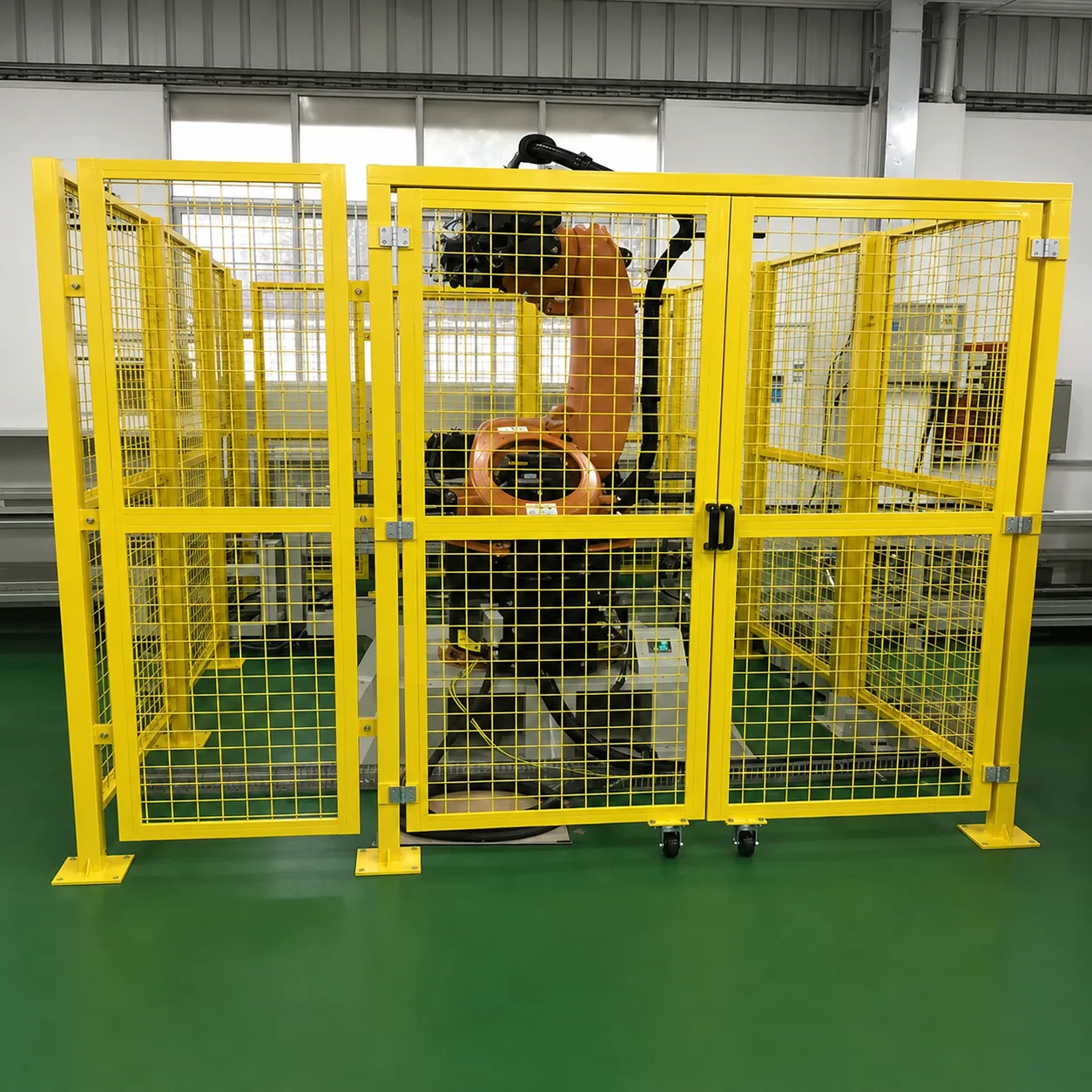
Which Machine Door Are You Designing?
Identify the moving part first. The detailed engineering review comes after the correct door and product route are clear.
Guard Door
Repeated operator, setup or inspection access while the door remains attached to the machine.
Retained door
Compare Hinge OptionsService Door
Maintenance or component-access door that normally remains attached during service.
Service access
Compare Hinge OptionsRemovable Panel
Panel or door that must come completely away to reach internal machine assemblies.
Complete removal
View Lift-Off RouteHinge Options for Machine Guard & Service Doors
Compare the hinge family against the actual machine door, frame and service requirement. Individual models are confirmed from the drawing rather than from the application name alone.
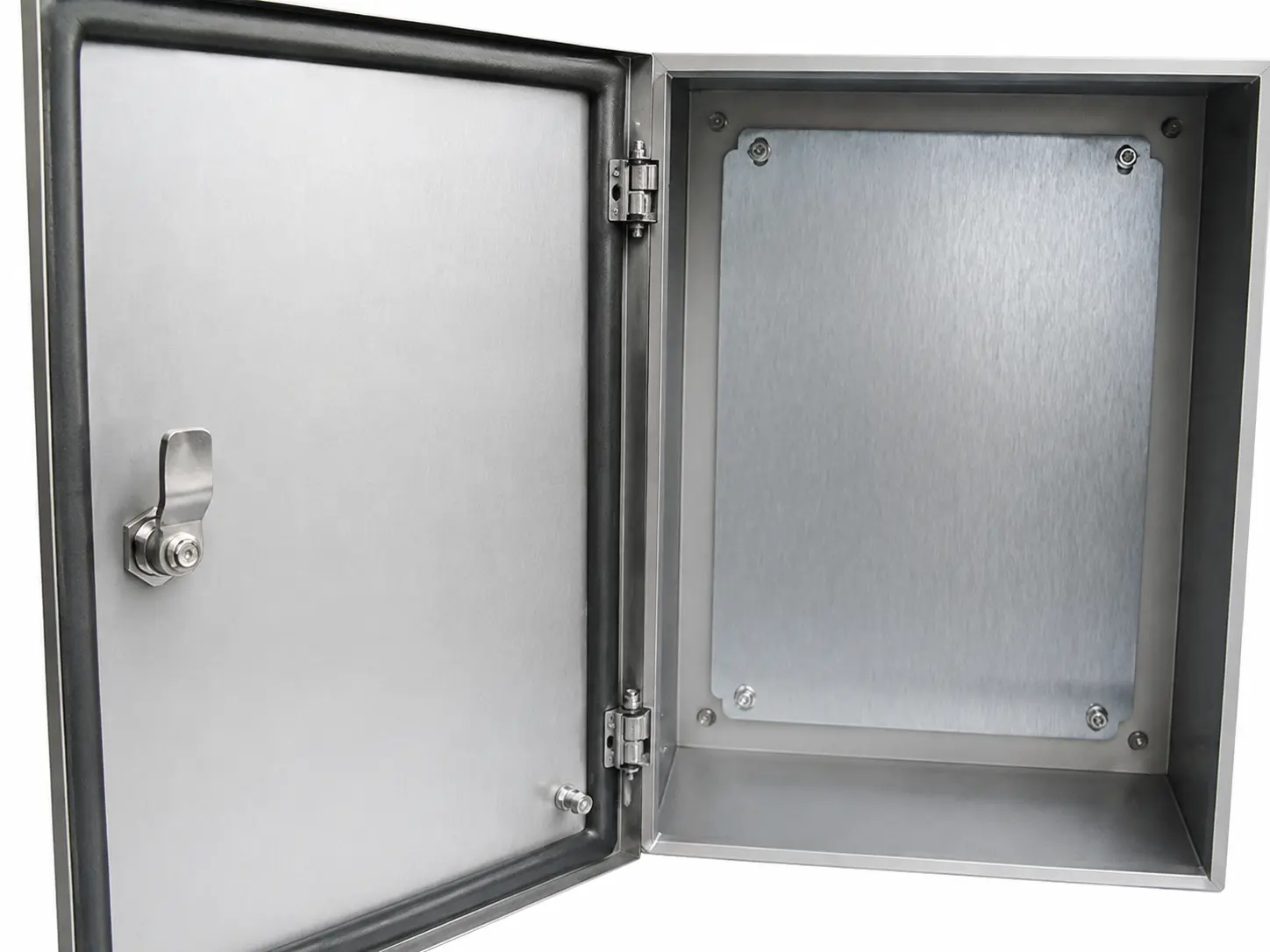
Standard retained machine door
Industrial Hinges
For machine access doors that remain attached and require conventional free-swing opening and closing.

Heavy or wide guard / service door
Heavy-Duty Hinges
For larger moving assemblies where complete mass, width or door-mounted hardware increases the load carried by the hinge-side structure.
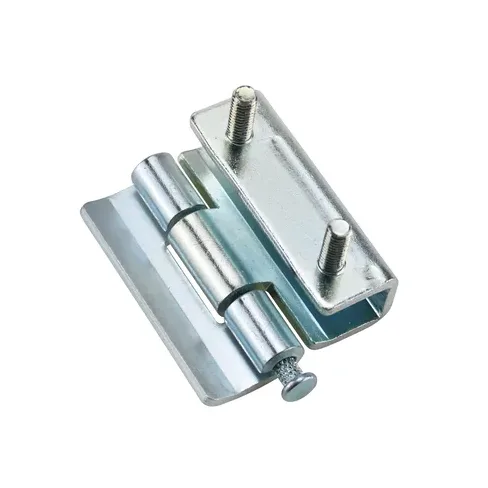
Door or panel must come completely off
Lift-Off Hinges
For removable service panels where taking the complete moving panel away materially improves machine access.
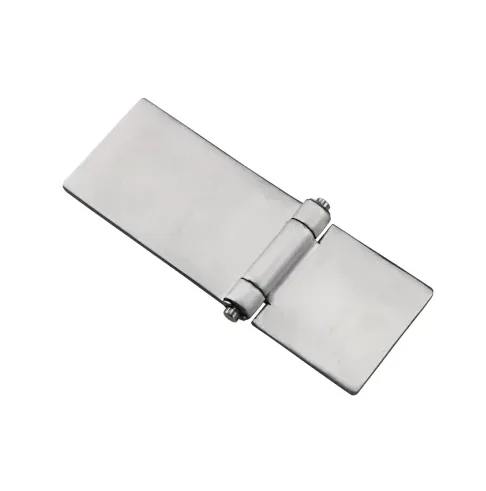
Fabricated steel machine frame
Weld-On Hinges
For welded machine structures where permanent hinge attachment matches the fabrication and service strategy.
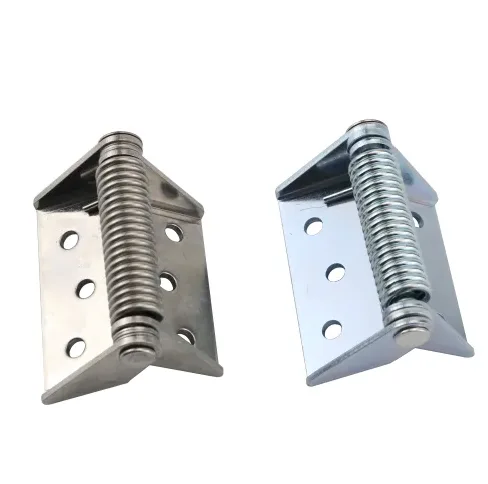
Machine design already requires self-return
Spring Hinges
For machine doors where the complete equipment design already requires the moving guard or door to return toward its closed position after release.
Check These Interfaces on the Machine Drawing
The hinge should be reviewed against the complete machine-door interface before an individual model is released for sampling.
Door Assembly
- Complete moving mass
- Mounted window / handle / hardware
Frame
- Mounting face
- Frame support
- Fastener or weld access
Opening
- Required usable opening
- Nearby machine interference
Service
- Retained or removable
- Expected access method
Closed Interface
- Required closed position
- Latch / interlock alignment constraint
Need deeper guard-side geometry and installed validation? Machine Guard & Safety Access Door Engineering
Need a defined stop or overtravel limit? Industrial Door Opening Stops
Send the Machine Door Drawing for Hinge Review
Send the machine-door information already available. HSP can use the drawing and project requirements to narrow the hinge family, compare candidate models and prepare the next sample or quotation step.
Drawing Inputs
- Machine / equipment type
- Guard / service / removable-panel role
- Door width × height
- Complete moving mass
- Door-mounted hardware
- Machine-frame structure
- Available hinge mounting area
- Required usable opening
- Whether complete removal is required
- Whether self-return is required
- Expected quantity
- Drawing or installation photo available for follow-up
What Happens Next
Lead time, warranty, return eligibility and applicable order terms are confirmed with the quotation because they depend on the selected model, quantity and project conditions.
Engineering Review & Dimensional Verification
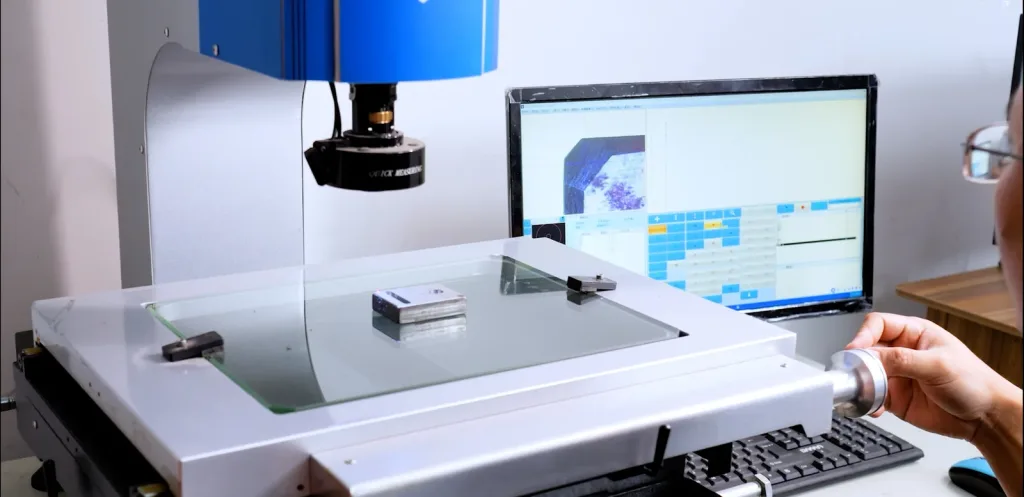
HSP can review the machine-door drawing, moving assembly, mounting interface and candidate hinge geometry before a model is confirmed for sampling.
Dimensional verification can support checks on critical hinge geometry and mounting features when the project requires drawing or sample confirmation before production release.
- Door / frame interface review
- Product-family and model review
- Critical dimension verification
- Drawing / sample confirmation
Engineering resources: Industrial Hinge Load Ratings Industrial Hinge Tolerances Hinge Spec Sheet & Engineering Drawing
Send Your Machine Guard or Service Door Details
Send the machine-door project information already available. HSP can begin with the moving assembly, mounting interface and service requirement, then request the drawing or installation photo during follow-up review where needed.
Helpful Details
- Machine / equipment type
- Door or panel function
- Door size
- Complete moving mass
- Frame structure
- Required opening
- Removal requirement
- Self-return requirement if applicable
- Expected quantity
- Drawing / photo available for follow-up
Complete project data is not required for an initial review.
Send Application Details
Include the machine-door details available at this stage. If a drawing or installation photo is available, mention it in the project details so it can be included in the follow-up review.