-
+86 13720060320
-
lanna@haitangs.com


Hinge Solutions for Semiconductor Equipment
Compare HSP hinge routes for equipment access doors, maintenance panels, removable covers and position-controlled lids.
Start with how the equipment is serviced, then check panel behavior, mounting space, opening or removal clearance and moving load before comparing products.
Where Is the Hinge Used on the Equipment?
Start with the maintenance access point rather than the hinge type.
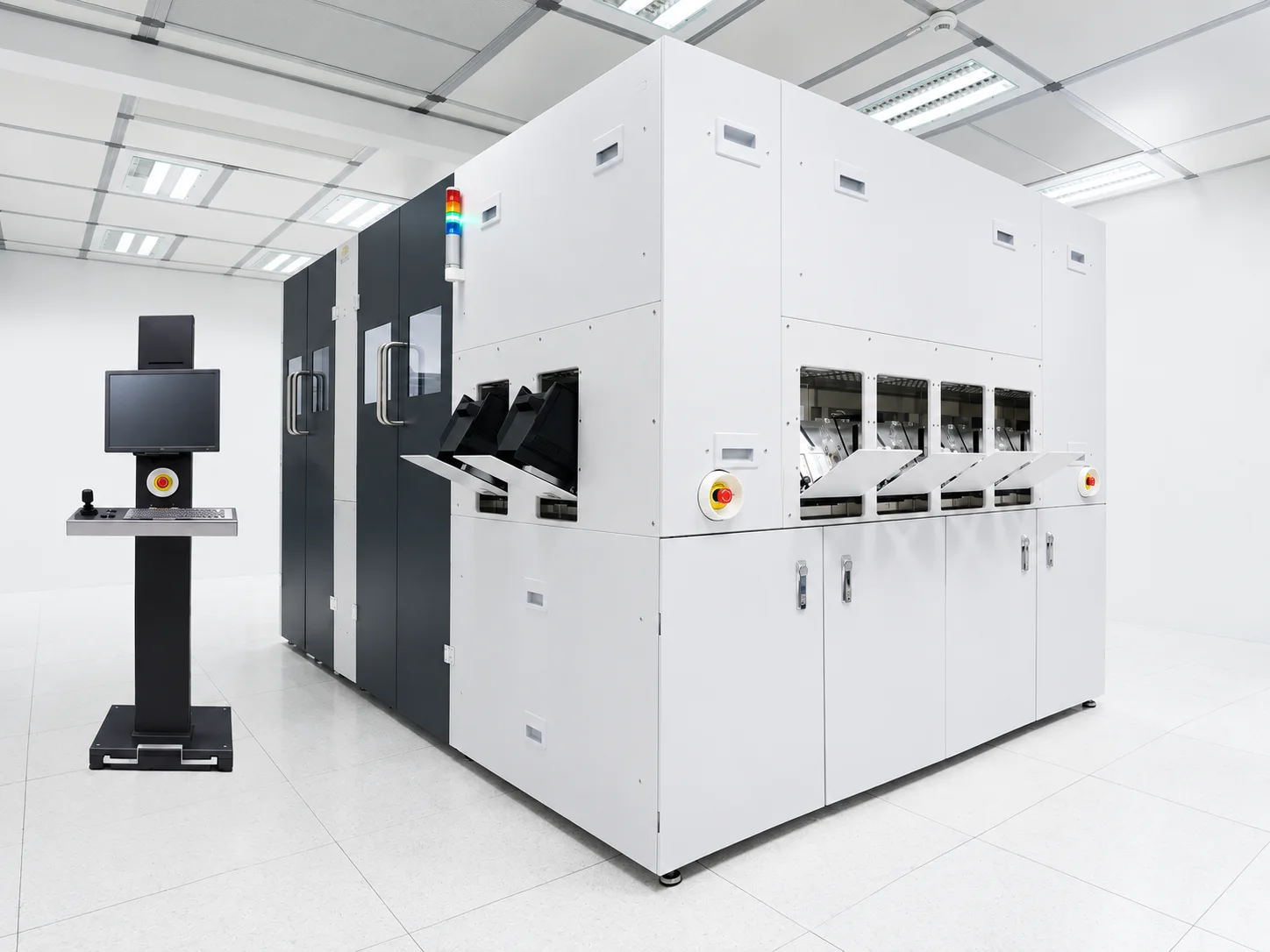
Service-Side Access Door
A retained service door needs enough swing clearance beside the frame return and nearby equipment. Confirm internal mounting space, latch-side alignment and hardware carried by the door. A fixed hinge route may be considered where concealed mounting space is not available.
Starting route: Concealed
Rear Maintenance Door
The door may fit physically yet still block technician reach. Check its swing against adjacent modules, cables, tubing and service hardware. A fixed hinge route may be considered where concealed mounting space is not available.
Starting route: Concealed
Removable Service Panel
First ask whether the panel must remain attached. If full removal is needed, define panel weight, lift direction, lift clearance, handling space and reinstallation position.
Starting route: Lift-Off
Position-Controlled Cover / Lid
A small lid enters the torque comparison only when it must remain at a selected service position. Check the actual moving moment and opening range.
Starting route: Torque / Adjustable Torque
Retained, Removable or Position-Controlled?
Retained Door
- Stays attached during service
- Repeatable alignment matters
- Opening envelope must be known
Removable Panel
- Complete panel removal is required
- Removal direction must be defined
- Technicians need handling space
Position-Controlled Lid
- Panel must stay where placed
- Holding need depends on geometry
- Torque must match the moving moment
Match the Service Task to the Hinge Route
Requirement
Door remains attached
Check first
Internal mounting space and opening envelope
Starting hinge routeConcealed
Requirement
Panel removed during service
Check first
Lift path, handling and reinstallation
Starting hinge routeLift-Off
Requirement
Lid must stay where placed
Check first
Moving moment and required holding torque
Starting hinge routeTorque
Requirement
Larger retained access door
Check first
Complete moving load and frame stiffness
Starting hinge routeIndustrial
Use heavy-duty only when the door weight or moving load requires it.
HSP Hinge Routes for Semiconductor Equipment
Use the products below as starting references for drawing, mounting and fit comparison. Final selection depends on the real equipment interface.
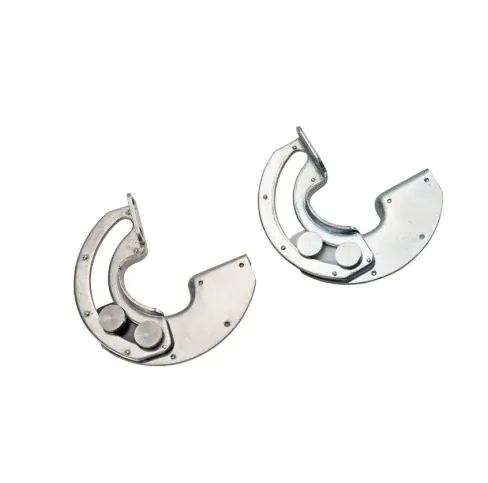
Concealed Hinges
90° & 180° Concealed Hinge
Model HG02-012
For retained service doors where the hinge envelope must stay inside the equipment structure.
- Opening angle
- Internal envelope
- Panel / frame interface
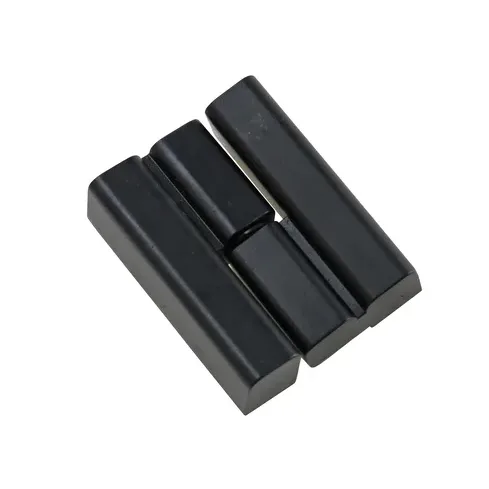
Lift-Off Hinges
Compact Lift-Off Hinge
Model HG02-025-3
For maintenance panels that must be removed completely after opening.
- Panel weight
- Lift clearance
- Removal direction
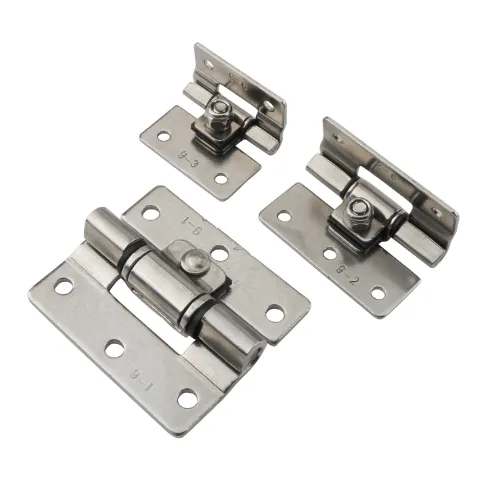
Torque Hinges
Adjustable Torque Hinges
Choose a model after the holding requirement is defined.
For lids or access panels that must remain at a selected service position.
- Moving moment
- Required holding torque
- Opening range
Check the Equipment Interface Before Selecting the Hinge
A hinge may fit the door by itself but still interfere with the equipment, maintenance space or nearby hardware.

Complete Moving Assembly
Count the panel together with the handle, latch, sensor bracket, display, filter and other hardware carried by it.
Service Envelope
Trace door swing against adjacent modules, nearby equipment and the technician’s working space.
Internal Mounting Envelope
Check the frame return and hinge pocket against cables, tubing, sensors, latches and internal hardware.
Removal Path
For lift-off access, can the panel move far enough to disengage the hinge after the equipment is installed?
Position Requirement
For torque access, supply panel mass, center of gravity, hinge axis, opening range and the holding behavior needed.
Is the Hinge Near a Controlled Cleanliness Boundary?
This page compares equipment access behavior and existing hinge routes; it does not qualify a hinge for cleanroom, particle, lubricant, vacuum, chemical or outgassing requirements. If an access point sits near a controlled cleanliness boundary, review How to Select a Clean Room Hinge for Semiconductor Equipment before final approval. Keep that qualification separate from the initial door, panel and mounting comparison.
Procurement Inputs Before RFQ
Send what is known now. Missing dimensions can be confirmed against the equipment drawing during follow-up.
| Input | Why HSP Needs It |
|---|---|
| Equipment / Access Location | Places the hinge at the correct service opening. |
| Door or Panel Size | Establishes the door envelope and hinge spacing. |
| Complete Moving Weight | Includes hardware mounted on the moving assembly. |
| Retained / Removable / Position-Controlled | Identifies the starting hinge family. |
| Required Opening Angle | Checks the service position and nearby clearance. |
| Available Mounting Envelope | Checks frame return and internal interference. |
| Mounting Method / Panel Interface | Helps confirm how the hinge can be fixed to the door, panel and frame. |
| Drawing or Photo if Available | Helps verify mounting and removal; not required for first contact. |
| Estimated Quantity | Supports the quotation and order discussion. |
Ordering Information
Commercial terms are confirmed for the selected product and quantity in the quotation.
- Pricing
- Quoted for the model, configuration and quantity.
- MOQ
- Confirmed for the selected standard or modified part.
- Samples
- Availability and terms confirmed with the quote.
- Lead Time
- Confirmed against stock or production conditions.
- Quality Inspection
- Relevant drawing and inspection requirements agreed before order.
- Warranty & Order Terms
- Defined in the quotation and order conditions.
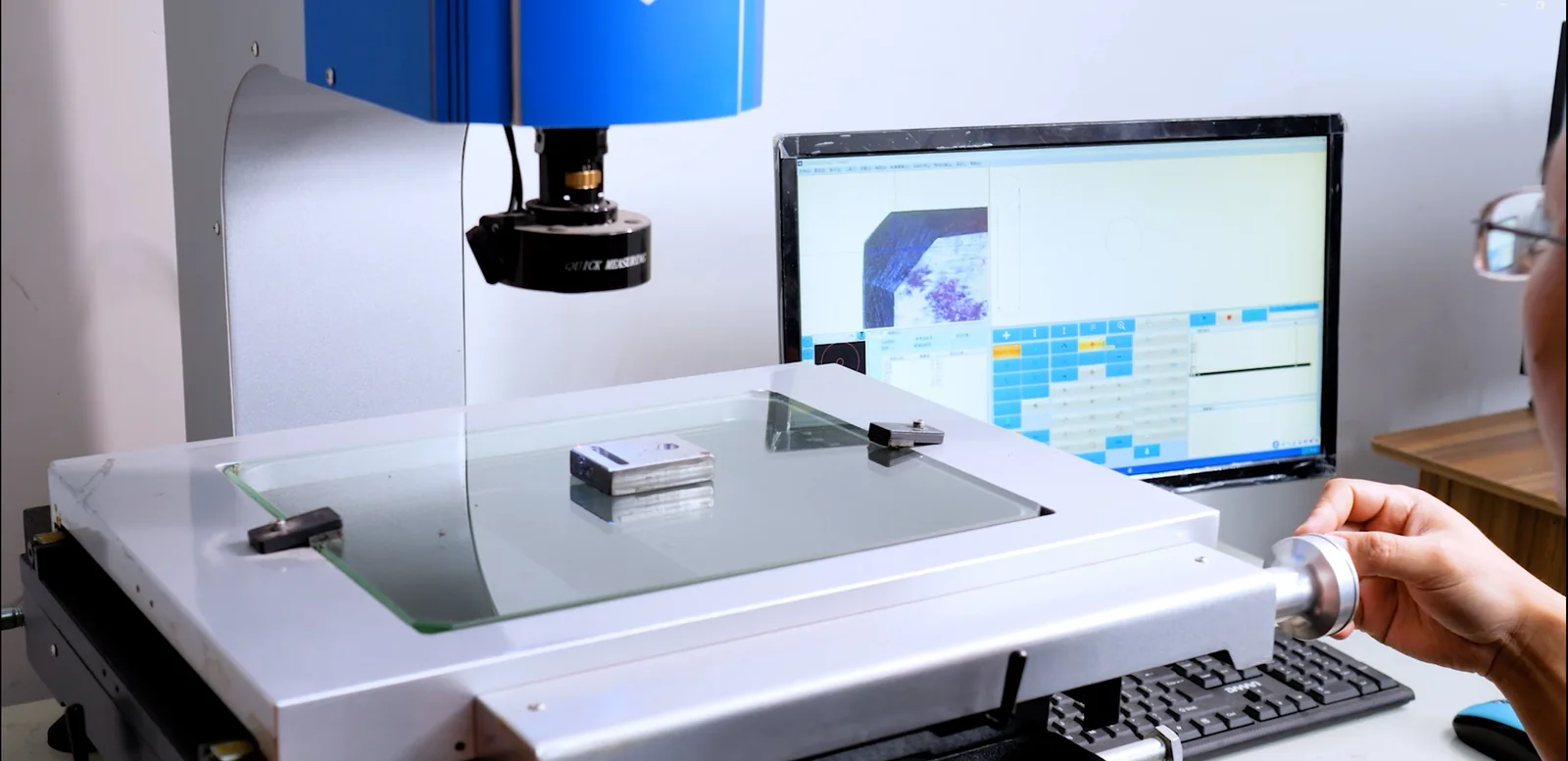
Product Inspection & Dimensional Verification
Representative product dimensions and mounting details are checked against the controlled drawing before production release.
For the inspection process, see Quality & Testing.
For drawing and mounting review, see Engineering & R&D.
Request a Quote
Available information is enough for the first review. A complete drawing is not required at this stage.
Useful details include:
- Equipment type and access location
- Door or panel size
- Moving weight, if known
- Retained, removable or position-controlled behavior
- Opening requirement
- Estimated quantity
If drawings or equipment photos are available, mention them in Project Details. Our team can request the files during follow-up.
Request a Quote
Share the service task and information available now.