-
+86 13720060320
-
lanna@haitangs.com

Industrial Hinge Applications
Match industrial doors, panels and lids to the hinge architecture that fits the load, motion, mounting, environment and service requirement. HSP hinge families are used across electrical equipment, machinery, HMI panels, laboratory systems, HVAC equipment, outdoor cabinets and other industrial access systems.
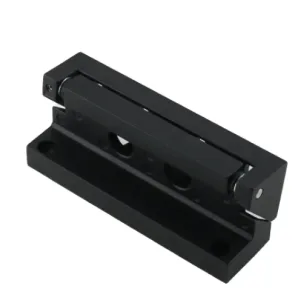
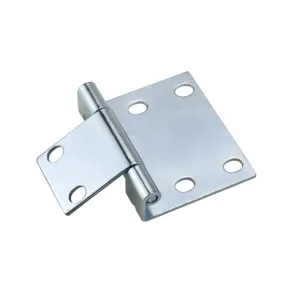
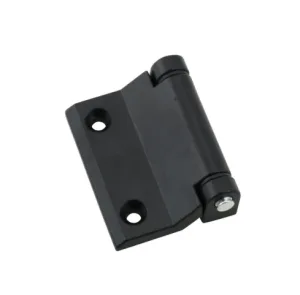
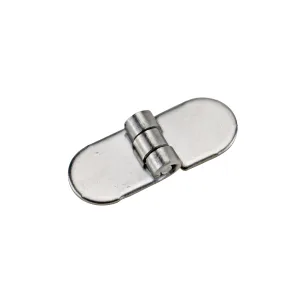
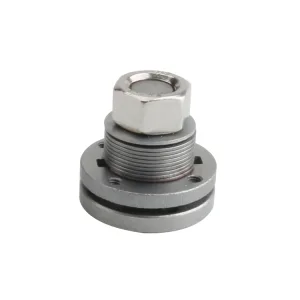
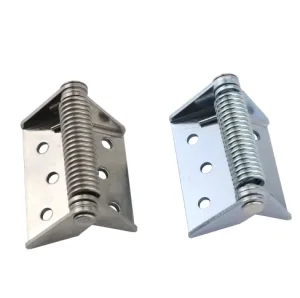
Used across:Electrical & Control Enclosures•Machinery & Service Doors•HMI & Operator Panels•Medical & Laboratory Equipment•HVAC & Thermal Equipment•Outdoor & Mobile Equipment
Common Industrial Application Paths
Start with the equipment and the way its door, panel or cover is expected to operate. The examples below represent common application paths; the same hinge families are also used across HMI panels, HVAC access doors, test equipment, industrial cabinets and other service enclosures.
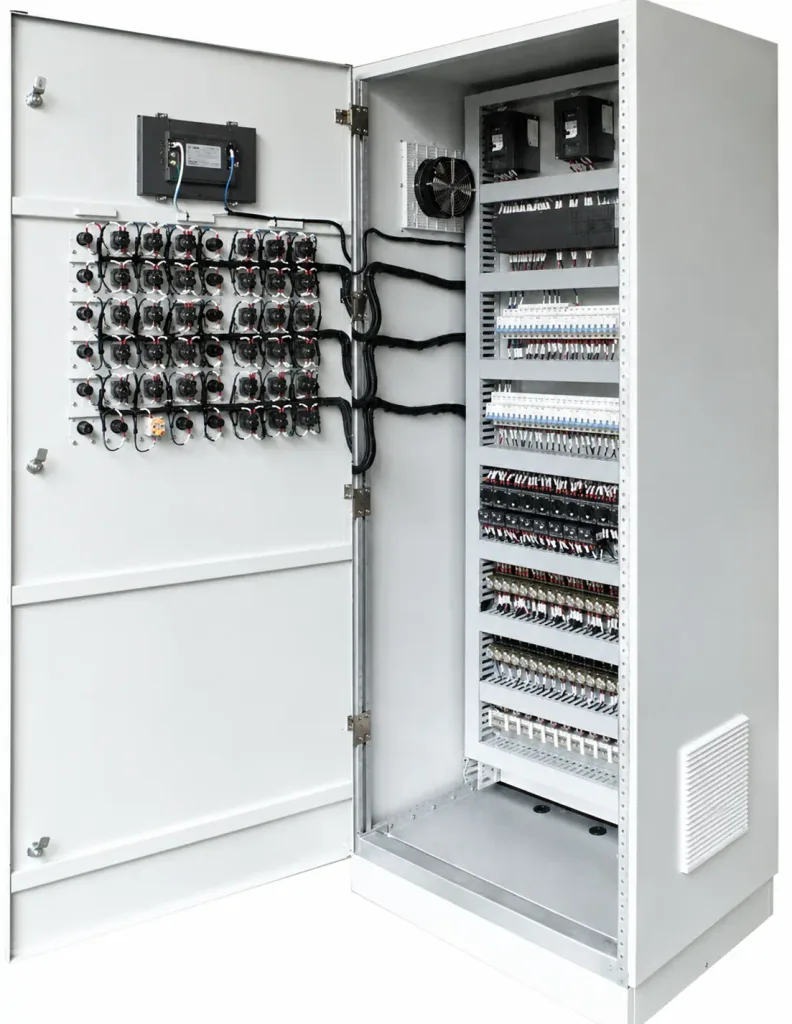
Electrical Enclosures
Hinges for control cabinets, electrical enclosures and equipment doors where door moment, gasket alignment, service access and mounting structure affect the final hinge arrangement.
- Heavy or wide doors
- Gasket / seal alignment
- Removable service access
- Indoor or outdoor exposure
Common hinge options
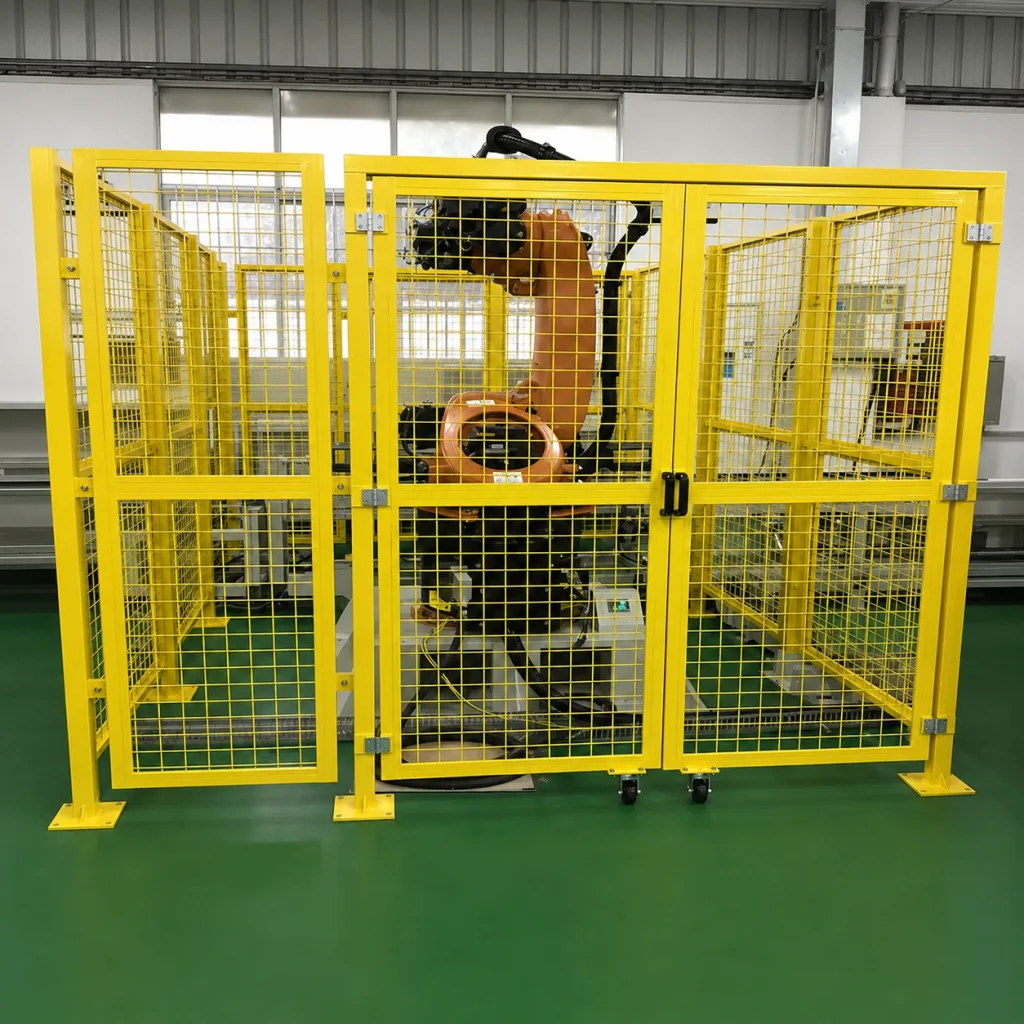
Machine Guards & Access Doors
For machine guards and maintenance doors that may require repeated access, removable panels, vibration resistance or self-return behavior. Spring hinges provide return torque; closing-speed control is a separate requirement.
- Repeated access
- Removable guard
- Vibration
- Self-return where required
Common hinge options
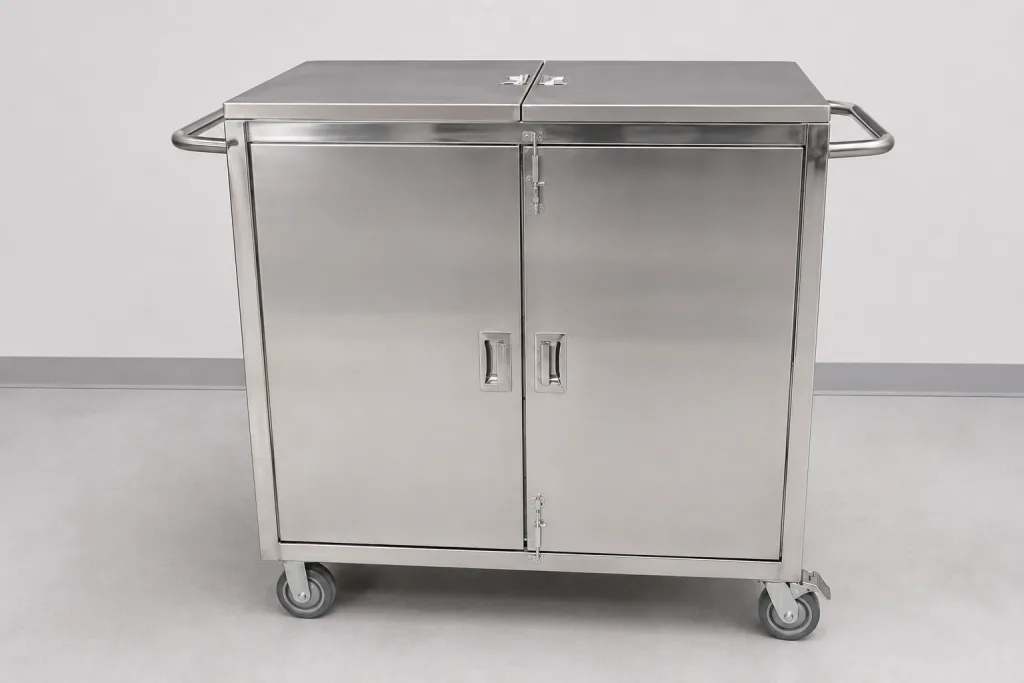
Medical & Laboratory Equipment
For equipment panels, cabinets and covers where compact mounting, cleanability, positioning and service access influence the hinge choice.
- Position holding
- Compact mounting
- Cleaning access
- Service removal
Common hinge options
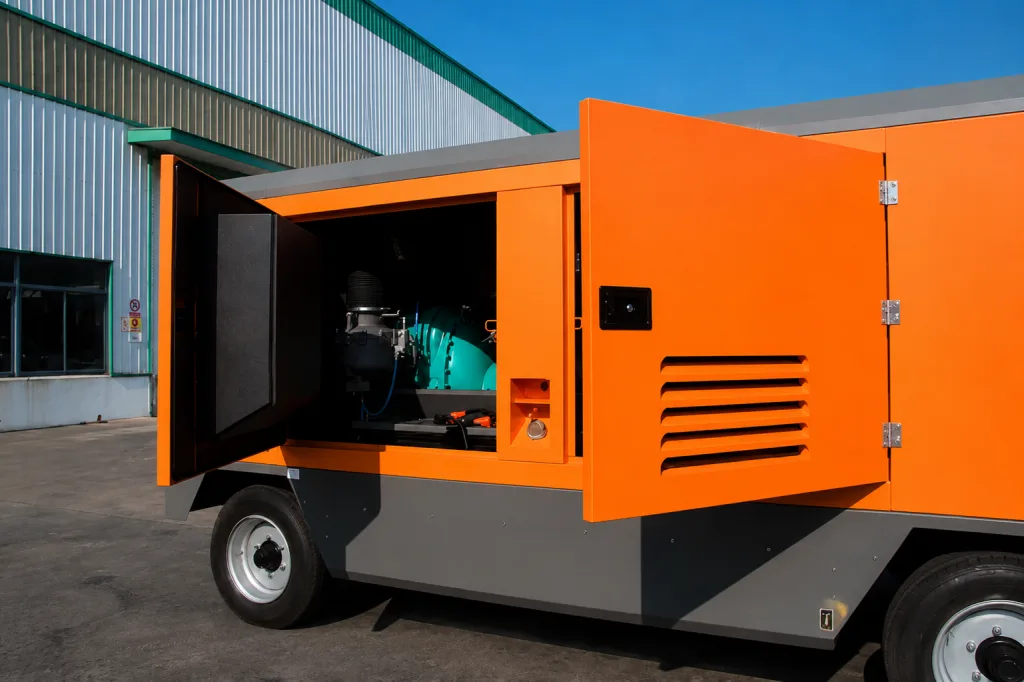
Outdoor & Mobile Equipment
For exposed or mobile equipment where moisture, corrosion, vibration, structural load and field service need to be considered together. Review the hinge, pin, fasteners, mounting joint and material system as one assembly.
- Rain / moisture
- Vibration
- Heavy door load
- Field service
Common hinge options
Other Common Application Paths
HMI & Operator Panels
Hinges for operator displays, control panels and access covers where viewing angle, position holding, compact mounting and available packaging space affect the hinge choice.
- Position holding
- Viewing angle
- Compact mounting
- Available internal space
Typical hinge directions
HVAC & Thermal Equipment
Hinges for HVAC access doors, thermal equipment and service panels where door load, gasket alignment, maintenance access and operating temperature affect the installed hinge arrangement.
- Service access
- Door load
- Gasket / seal alignment
- Operating temperature
Typical hinge directions
Server Rack & Network Cabinets
Hinge routes for rack front doors, rear service access and removable network-cabinet panels.
What Engineers Should Define Before Selecting the Hinge
A useful hinge comparison starts with the installed door system, not only the hinge size. These are the project details that normally change the product direction.
Door
- Door width × height
- Complete moving weight
- Center of gravity from hinge axis
Motion
- Free swing
- Hold position
- Self-return
- Removable
Mounting
- Panel thickness
- Frame structure
- Bolt / stud / weld
- Available hinge envelope
Environment
- Indoor
- Outdoor
- Washdown
- Temperature
- Dust / vibration
Service
- Door remains attached
- Full door removal
- Adjustment access
- Replacement access
Choose by Door Requirement
| Requirement | Hinge direction | What to confirm |
|---|---|---|
| Heavy or wide door | Heavy-Duty Hinges | Door weight, CG and hinge spacing |
| Door must be removed for service | Lift-Off Hinges | Removal direction and lift clearance |
| Exterior hardware should stay hidden | Concealed Hinges | Internal mounting envelope and door return |
| Panel must hold position | Torque Hinges | Panel moment and required holding torque |
| Door requires self-return | Spring Hinges | Return direction and starting angle |
| Permanent fabricated mounting | Weld-On Hinges | Material, weld access and common-axis alignment |
HSP Industrial Hinge Families
Once the application and door requirements are defined, compare the HSP product family that matches the required load path, motion, mounting and service method.

Heavy-Duty Hinges
For large doors and higher structural loads.
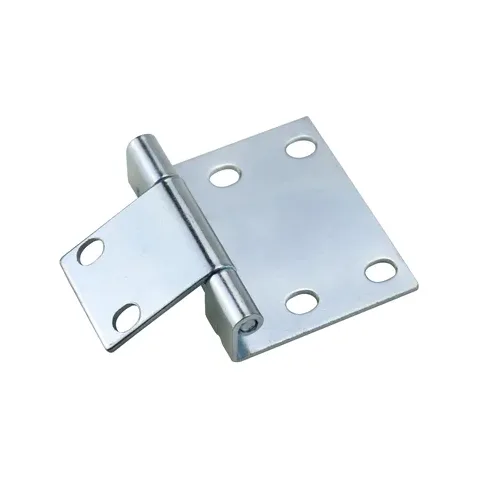
Concealed Hinges
For protected mounting inside the door and frame.
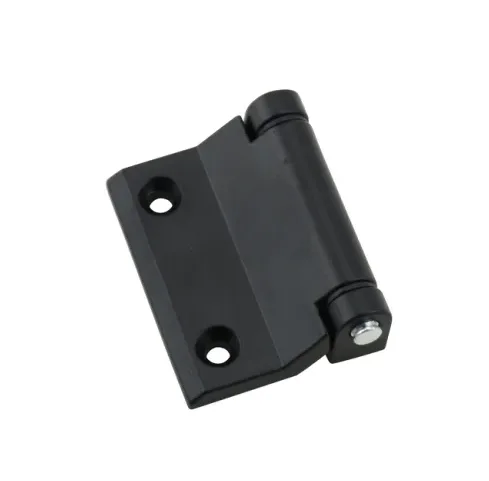
Lift-Off Hinges
For removable doors and service panels.
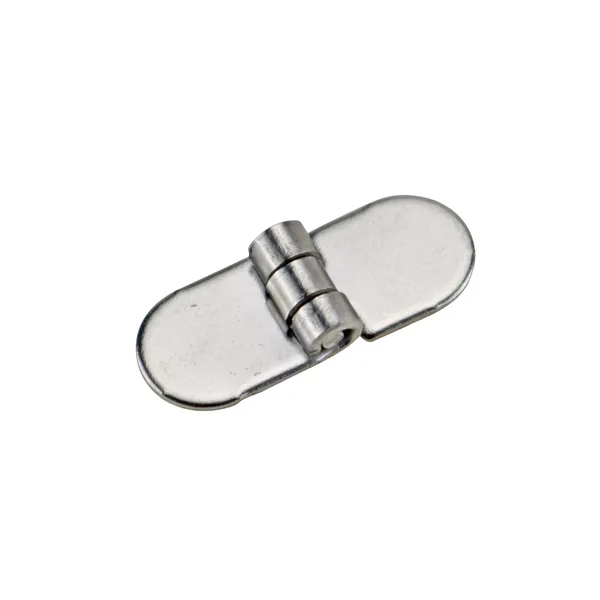
Weld-On Hinges
For permanent mounting on fabricated metal structures.
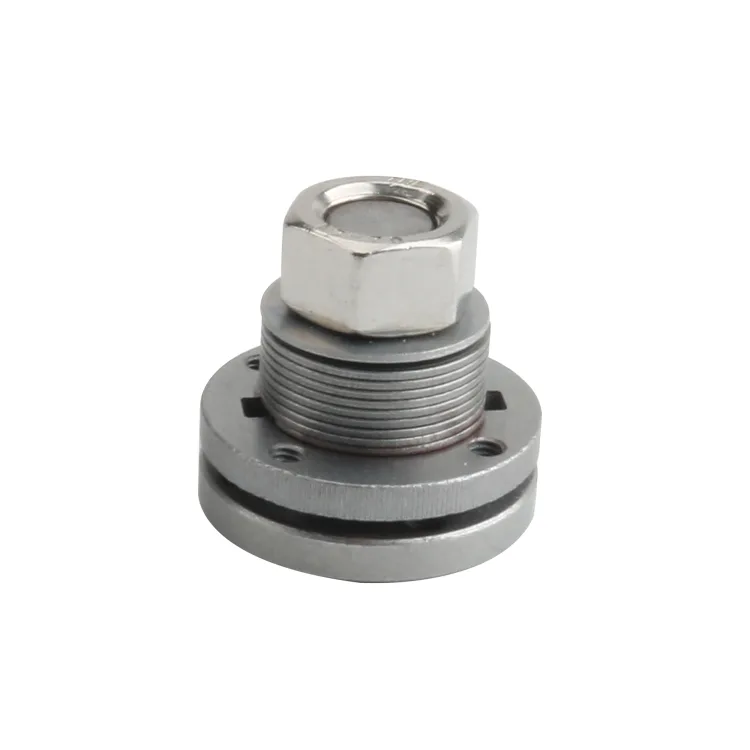
Torque Hinges
For panels that must remain at a selected angle.
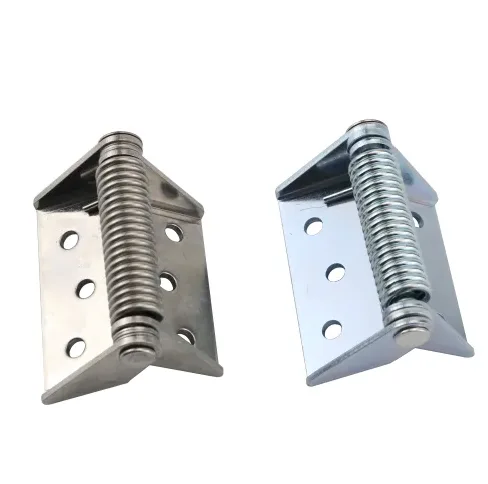
Spring Hinges
For return torque and self-closing behavior.
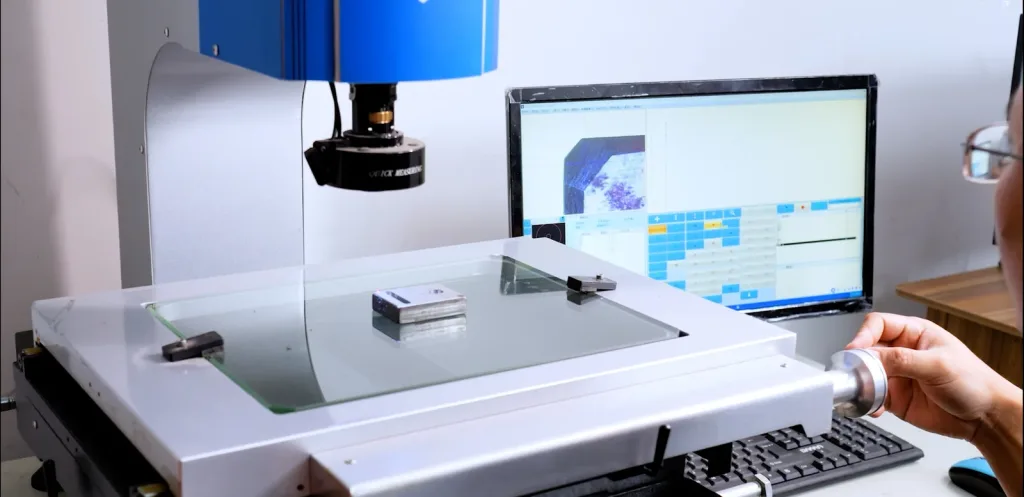
Engineering Support for Your Hinge Application
When a standard product family has been identified, HSP can review the door geometry, mounting interface, motion requirement and available space before a drawing or sample is released.
- Application data review
- Mounting interface review
- Drawing / sample confirmation
- Project-specific validation where required
Need More Engineering Detail?
How to Choose an Industrial Hinge
Use the complete workflow when a likely family still needs model-level comparison.
Industrial Hinge Load Ratings
Review how door geometry and the installed load case affect rating comparison.
How to Mount Hinges on Thin Sheet Metal
Check attachment and reinforcement when panel thickness limits the mounting interface.
Tell Us About Your Door or Panel
Send the information available at this stage. Complete project data is not required for an initial hinge review.
Helpful details include:
- Door size and approximate weight
- Mounting space and panel / frame material
- Required opening or motion
- Operating environment
- Whether the door must be removable
- Drawing or CAD file if available
Share what is available; incomplete project data is acceptable for an initial review.
Send Application Details
Include any available door size, weight, opening angle, environment or mounting details. A drawing is helpful when available.