-
+86 13720060320
-
lanna@haitangs.com

Torque Hinges
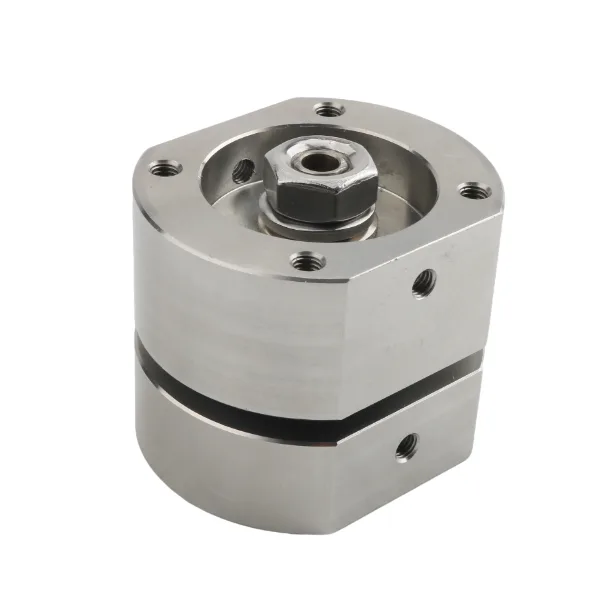
One-Way Torque Disc Hinge 0.1–10 N·m | 360° Control
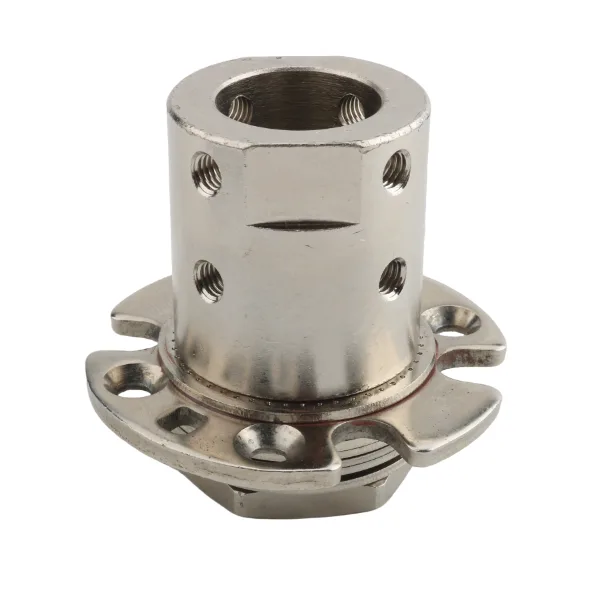
Torque Disc Hinge for Signage 0.1–15 N·m | 360° Hold
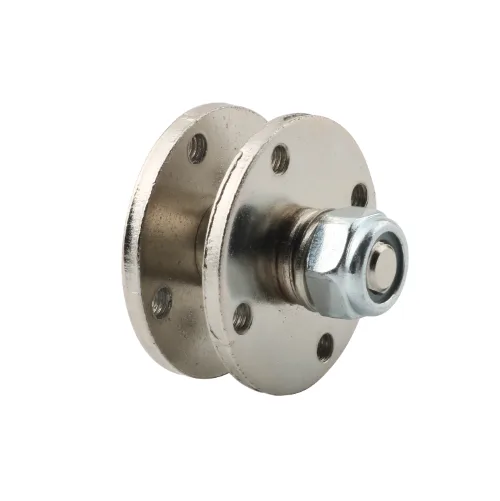
Adjustable Torque Disc Hinge 0.1–5.8 N·m | 360° Hold
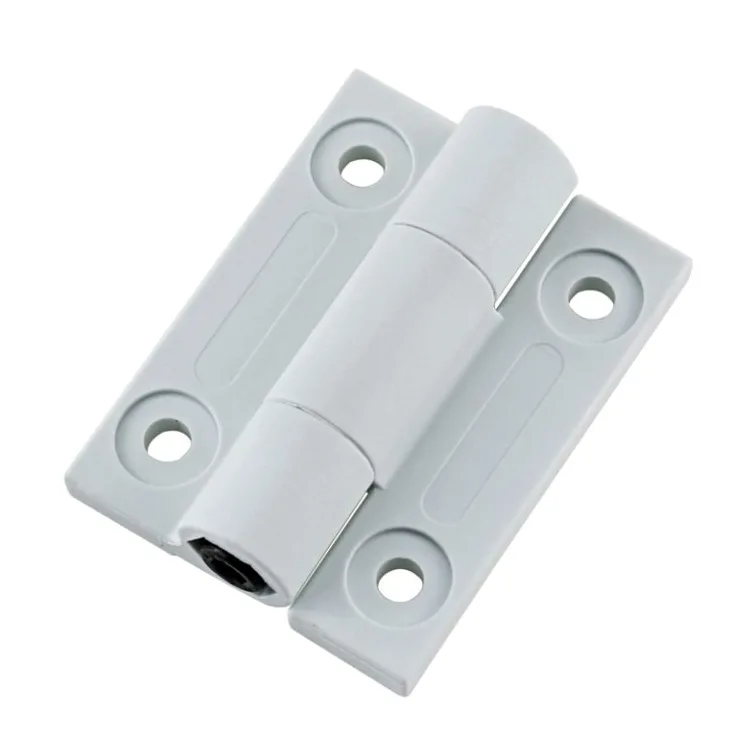
Adjustable Torque Hinge 55×43 mm | PA6 & Zinc Options
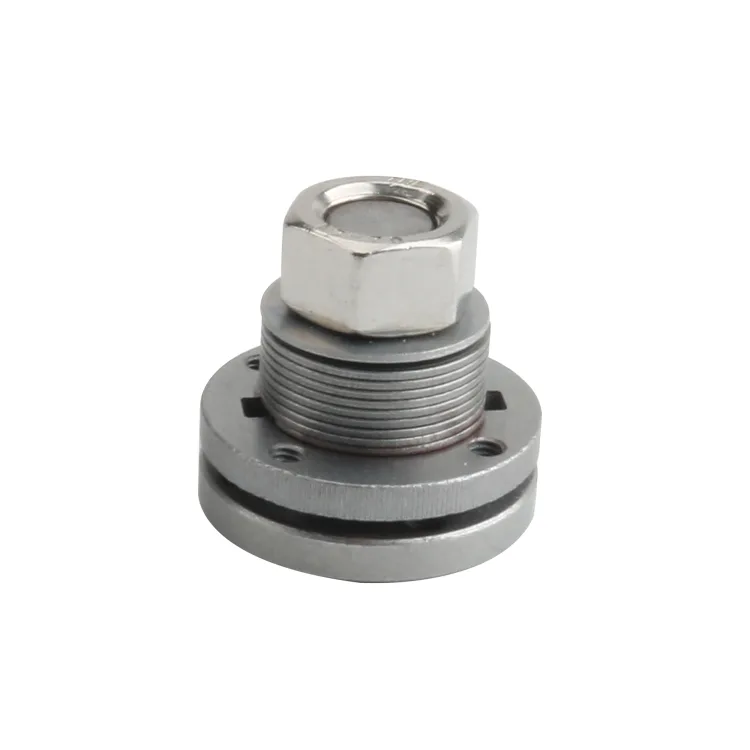
Heavy Duty Torque Disc Hinge 0.1–15 N·m | 360° Hold
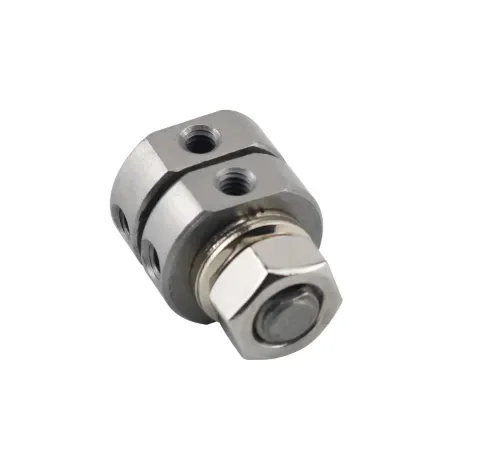
Adjustable Torque Hinge 1.0–6.0 N·m for Industrial Equipment
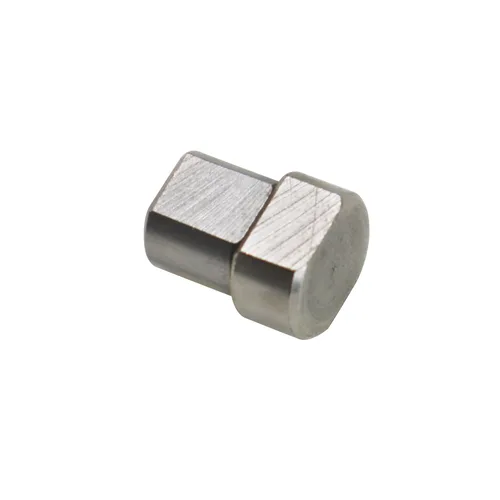
Mini Torque Hinge 0.1–1.0 N·m for Desk Lamps
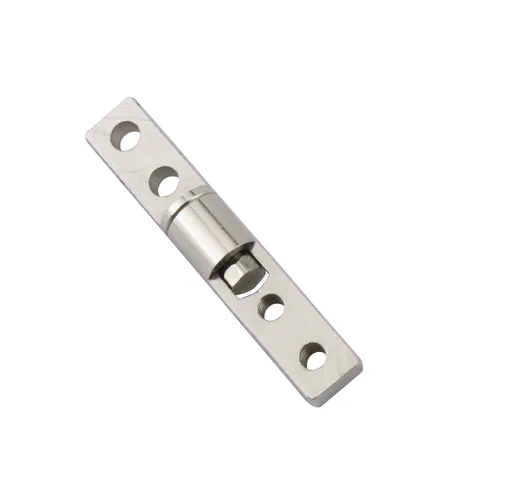
360° Embedded Torque Hinge 0.2–3.0 N·m | Compact Round Bar
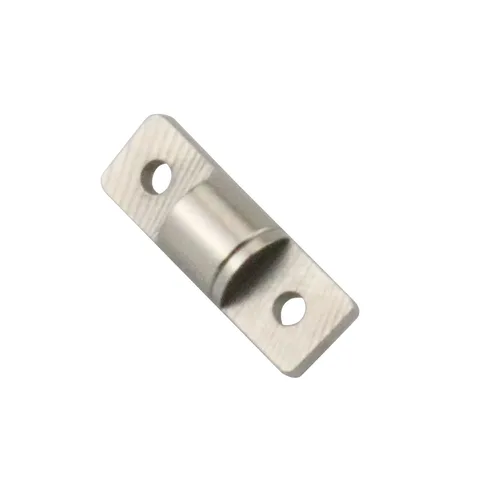
Straight Damping Hinge 0.1–2.0 N·m | Smooth Self-Positioning
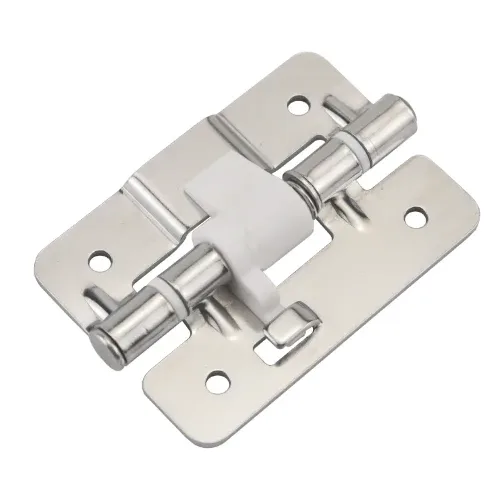
Positioning Hinge 0.5 N·m | 304 Stainless, 3-Angle Stop
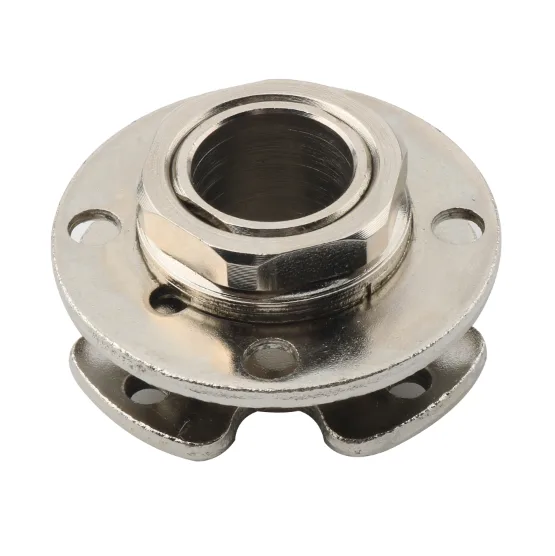
Round Adjustable Damping Shaft | 90° Stop & 360° Rotation
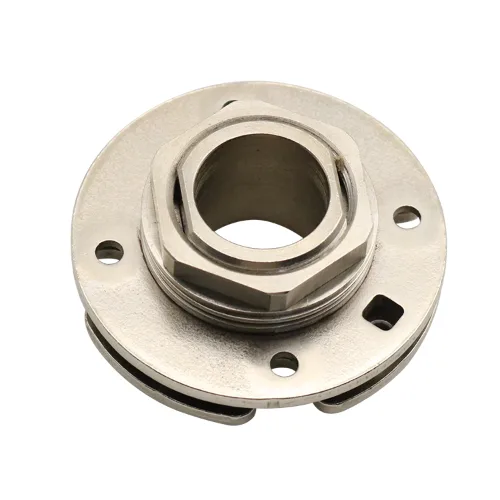
Heavy-Duty Torque Hinge 0–15 N·m | 20 mm cable pass-through
Torque hinges (also called friction hinges or position-control hinges) are precision-engineered mechanical hinges that hold a panel, lid, or display at any angle along the rotation path through built-in internal friction — the “free stop” feature that distinguishes them from standard rotating hinges. From laptop screens that stay tilted exactly where you placed them, to medical monitor arms that hold position without sagging, to industrial control panels that stay open during maintenance, torque hinges are the engineering solution wherever a controlled, adjustable, or repeatable angular position is needed. HSP manufactures 100+ torque hinge models across five product families — covering torque values from 0.1 N·m to 25 N·m, adjustable and factory-calibrated configurations, leaf-style and swivel-style geometries, and standard envelopes from Φ6.3 mm mini designs to full-size industrial frames.
For OEM design engineers and procurement teams, torque hinge selection is a technical decision governed by holding torque, cycle life, geometry, and adjustability — not by appearance. Drawing on 10+ years of supplying torque hinge solutions to OEMs across consumer electronics, medical equipment, industrial automation, self-service kiosks, and instrument enclosure sectors, our engineering team matches torque rating, friction mechanism, and mounting geometry to the specific application — with sample production typically completed in 10 working days and OEM customization supported from 1,000 units MOQ.
What Is a Torque Hinge?
A torque hinge is a hinge with engineered internal friction that produces resistance during rotation. When you open or close a torque-hinged panel, the friction mechanism inside the hinge generates a calibrated holding force (measured in N·m or kgf·cm) — enough to support the panel at any angle without external locks, latches, gas springs, or position-stop hardware.
This “free-stop at any angle” behavior is what distinguishes a torque hinge from every other hinge type. Standard butt hinges rotate freely (no friction); spring hinges return to closed automatically (active force); detent hinges click into preset positions (mechanical stops). Only torque hinges provide smooth, continuous holding force across the full rotation — the user expects the panel to stay where it was last placed, indefinitely.
How Torque Hinges Work
Inside a torque hinge, the friction mechanism is typically one of three designs:
- Friction disc / washer stack: Pre-loaded friction discs are stacked between the rotating leaves, generating resistance proportional to the disc compression. Common in constant torque hinges where unit-to-unit consistency matters.
- Tensioned spring or wrap-spring: A spring wraps around the hinge pin under tension, generating friction as the pin rotates within it. Used in many adjustable torque designs where the spring tension can be tuned via a set screw.
- Pre-loaded sleeve and shaft: Precision-machined sleeve and shaft with controlled interference fit — produces consistent rotational friction, common in compact and mini torque hinges.
In all three designs, the friction is engineered — not accidental. The torque value, tolerance, and retention over cycle life are validated during the design phase and verified on every production batch. This engineering control is what separates a torque hinge (a precision component) from a “stiff” hinge (an accident).
HSP Torque Hinge Range — Five Specialized Families
HSP’s torque hinge catalog is organized into five product families, each optimized for a different combination of torque control, geometry, and application:
Adjustable Torque Hinges (40+ models)
Field-adjustable friction tuned via set screw after installation. Standard torque 0.35–20 N·m, custom 0.1–25 N·m. Specified where panel load varies, end-user adjustment is needed, or one hinge design serves multiple product variants. Common applications: industrial HMI panels, medical positioning arms, lab equipment, self-service kiosks. View adjustable torque hinges →
Constant Torque Hinges (29+ models)
Factory-calibrated, locked-in friction value that cannot be changed. Common values 0.5 / 1.0 / 2.0 / 5.0 / 6.0 N·m. Validated 20,000 cycles with ≥80% torque retention. Specified for mass production where every unit must feel identical to the end user. Common applications: laptop screens, automotive interiors, consumer electronics, medical fixed arms. View constant torque hinges →
Mini / Compact Torque Hinges (12+ models)
Space-constrained micro torque hinges as small as Φ6.3 × 12 mm with 0.1 N·m torque resolution. Built from SK7 spring steel and 1215 free-machining steel for tight tolerances at small cross-sections. Specified for portable devices, handheld instruments, foldable electronics, and small-form-factor enclosures. View mini torque hinges →
360° Swivel Torque Hinges (18+ models)
Single-axis rotation hinges that hold position at any angle through 360° rotation, with central cable-routing holes (Φ10–32 mm) available on selected models. Specified for rotating displays, security cameras, self-service terminal screens, POS displays, and machine tool control panels. View swivel torque hinges →
Detent / Positioning Hinges (5+ models)
Torque hinges with engineered angle stops — typically at 65°, 115°, and 225° — providing tactile “click” feedback at preset positions. Most projects are custom-developed for specific OEM requirements. Specified for equipment covers with fixed working angles, inspection panels, and displays with engineered viewing positions. View detent hinges →
How to Choose a Torque Hinge — Decision Framework
Selecting the right torque hinge starts with three engineering questions, then narrows down to a specific family:
- Step 1 — How much torque do I need? Calculate from panel weight × distance from the rotation axis. Specify a holding torque 30–50% above calculated demand to account for torque retention loss over cycle life and added load tolerance.
- Step 2 — Adjustable or factory-set? Choose adjustable if panel load varies, end users need to tune the feel, or one hinge serves multiple product variants. Choose constant torque if every unit must feel identical in mass production.
- Step 3 — Geometry and motion type? Leaf-style hinges (adjustable, constant) for panel pivoting (lids, doors, covers). Swivel hinges for 360° axial rotation (screens, cameras). Mini hinges for compact envelopes. Detent hinges for specific repeatable angles.
| If your application is… | Choose this family |
|---|---|
| Variable-load panel, end-user adjustment needed | Adjustable Torque |
| Mass-produced consumer product, every unit must feel the same | Constant Torque |
| Portable / handheld device with tight enclosure space | Mini / Compact Torque |
| Rotating screen, camera, or panel that turns around one axis | 360° Swivel Torque |
| Panel needs to stop at specific repeatable angles with tactile feedback | Detent / Positioning |
Quality & Testing Capabilities
Every HSP torque hinge batch is validated through in-house testing before release. Our 7,000 m² ISO 9001-certified facility operates four dedicated testing stations covering the full quality-verification cycle:
- 2D optical dimensional inspection: Verifies leaf flatness, pin diameter, hole pitch, and mounting feature tolerances — critical for torque consistency at small cross-sections.
- Torque calibration testing: Each hinge model is measured for its rated friction value and production tolerance (±5% on calibrated models). Adjustable torque ranges are verified across the full tuning span.
- Fatigue cycle testing: Dedicated rotary test rigs run 10,000–20,000 cycles per model, with torque measured at cycle 1, 10,000, and 20,000 — confirming ≥80% torque retention at end of life for constant torque designs.
- Salt spray testing (ASTM B117): Performed on SUS 304 stainless and surface-treated variants for marine, washdown, and outdoor specifications.
Test reports are available on request for OEM projects requiring documented quality records.
Common Industries and Applications
- Consumer electronics: Laptop screens, tablet stands, foldable displays, monitor pivot mounts, and convertible 2-in-1 devices.
- Medical equipment: Patient monitor arms, imaging display supports, instrument cart rotations, bedside displays, and laboratory analyzer covers.
- Industrial automation and HMI: Operator panels, machine control screens, inspection access doors, and CNC machine displays.
- Self-service kiosks and terminals: ATM screen rotations, ticketing kiosks, POS terminals, self-checkout displays, and dual-side customer/operator screens.
- Automotive and transportation: Vehicle display screens, glove box covers, rear-seat entertainment panels, and commercial vehicle interior fittings.
- Commercial appliances: Microwave control panels, commercial refrigerator covers, coffee machine displays, and food-service equipment panels.
- Surveillance and broadcasting: Pan-tilt camera mounts, studio camera bases, lighting rig swivels, and live-streaming equipment turntables.
- Portable instruments: Handheld scanners, portable test instruments, point-of-care medical devices, and rugged handheld terminals.
Torque Hinges vs Industrial Hinges
Torque hinges and industrial hinges serve fundamentally different design purposes. Torque hinges are precision components that hold a panel at any angle through engineered friction — chosen where the panel must stay where the user places it. Industrial hinges are structural components that pivot heavy doors, panels, and enclosures — chosen where load capacity, environmental durability, and door alignment matter more than position-holding.
| Selection Factor | Torque Hinges | Industrial Hinges |
|---|---|---|
| Primary function | Hold position at any angle | Pivot heavy doors and panels |
| Engineering focus | Friction calibration and torque retention | Load capacity and joint strength |
| Typical torque or load | 0.1–25 N·m holding torque | Up to 80 kg panel load per pair |
| Common applications | Screens, lids, monitors, cameras, displays | Cabinet doors, machine guards, equipment enclosures |
| Materials | SUS 304, zinc alloy, SK7 spring steel | SUS 201/304/316, SPCC, ZDC |
OEM Customization
HSP supports custom torque hinge development across all five product families. Customers provide drawings, target torque values, or sample requirements; our engineering team confirms feasibility, prepares samples within approximately 10 working days, and supports volume production from 1,000 units MOQ. Custom torque ratings, mounting hole patterns, leaf dimensions, opening angles, surface finishes, and L/R orientation are all adjustable during the development phase. Production lead time and MOQ for specific configurations are available on request.
Frequently Asked Questions
What is a torque hinge?
A torque hinge is a hinge with engineered internal friction that holds a panel, lid, or display at any angle along the rotation path. Unlike standard hinges (which rotate freely) or spring hinges (which return to closed automatically), torque hinges produce smooth, calibrated resistance — the panel stays exactly where the user places it.
How is torque hinge holding force measured?
Torque is measured in newton-meters (N·m) or kilogram-force centimeters (kgf·cm). 1 N·m equals approximately 10.2 kgf·cm. HSP catalog torque values are specified in N·m, with custom OEM ratings from 0.1 N·m (mini torque) up to 25 N·m (heavy-duty adjustable torque) available.
How do I calculate the torque I need for my application?
Multiply the panel weight by the distance from the rotation axis to the panel’s center of gravity. The result is the static torque needed to hold the panel horizontal. Specify a holding torque 30–50% above this calculated demand to account for torque retention loss over cycle life and added load tolerance from cables, accessories, or thermal effects.
Should I choose adjustable or constant torque?
Choose adjustable torque if the panel load varies between product variants, if end users need to tune the feel after installation, or if you want one hinge design to serve multiple SKUs. Choose constant torque for mass-produced consumer applications where every unit must feel identical and unit-to-unit consistency is more important than adjustability.
What cycle life can I expect from a torque hinge?
Standard HSP torque hinges are designed and tested for 10,000–20,000 cycles depending on the model and rated torque. Constant torque models are validated to 20,000 cycles with ≥80% torque retention at end of life. Higher-cycle requirements can be discussed during OEM specification.
Can I customize a torque hinge based on my drawing?
Yes. Custom torque values, mounting hole patterns, leaf dimensions, opening angles, materials, and surface finishes are available across all five HSP torque hinge families. Samples are typically prepared within 10 working days, with production MOQ starting from 1,000 units.
What materials are HSP torque hinges available in?
Standard materials include SUS 304 stainless steel (mirror or brushed finish), zinc alloy (chrome-plated, matte, or black finish), SK7 spring steel and 1215 free-machining steel for mini models, and carbon steel with nickel plating for swivel models. Material selection depends on the operating environment, finish requirement, and load characteristics.
Can you recommend a torque hinge based on my application?
Yes. Please provide panel weight, panel dimensions, rotation axis, required opening angle, mounting space, operating environment, and expected daily cycle count. We can recommend a suitable model or develop a custom solution. Contact our engineering team for technical support.