-
+86 13720060320
-
lanna@haitangs.com

Mini / Compact Torque Hinges
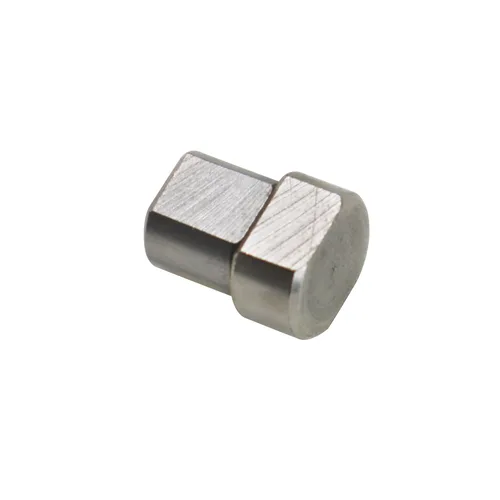
Mini Torque Hinge 0.1–1.0 N·m for Desk Lamps
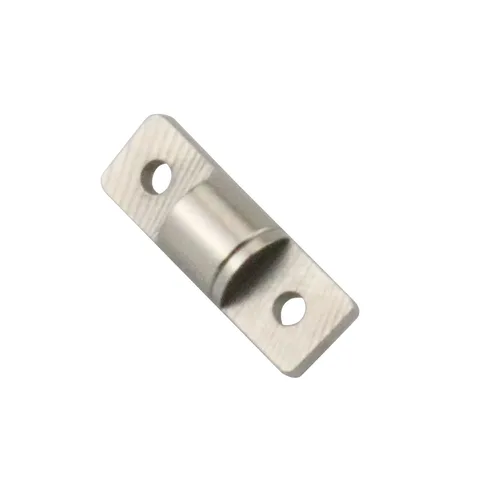
Straight Damping Hinge 0.1–2.0 N·m | Smooth Self-Positioning
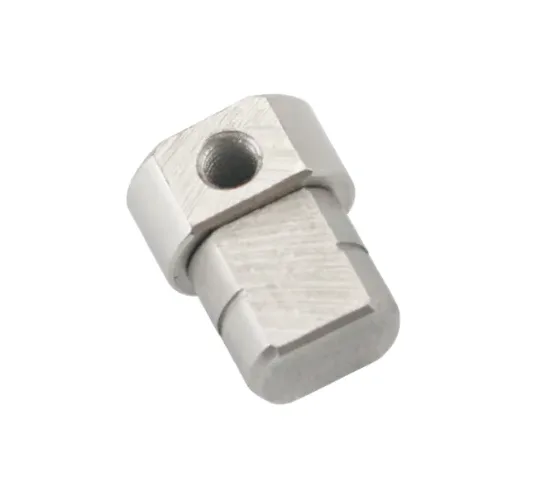
360° Precision Torque Hinge for Compact Devices
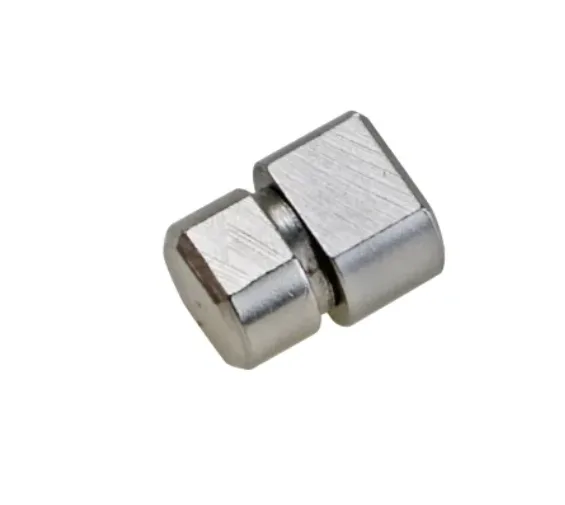
Desk Lamp Torque Hinge 0.1–0.9 N·m
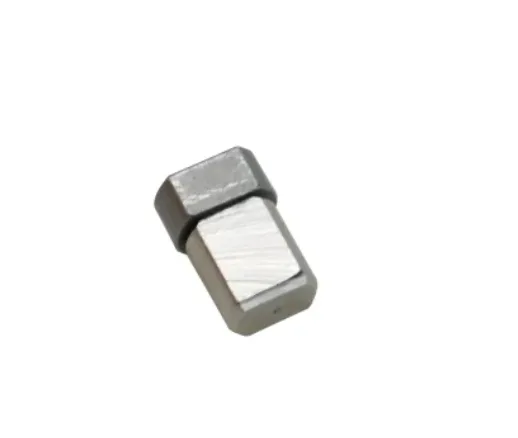
Hidden Torque Hinge 0.3–0.8 N·m for Smart Devices
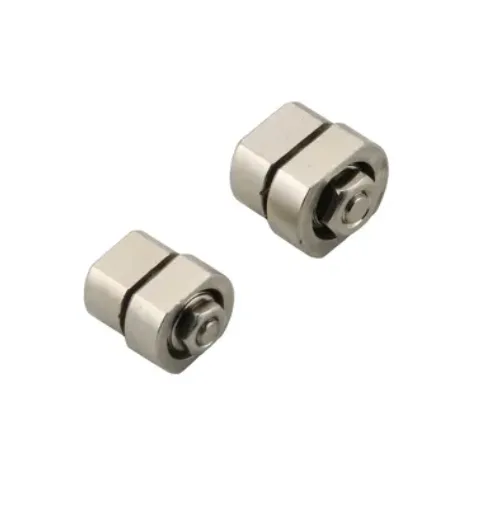
Heavy-Duty Torque Hinge 1.3–3.3 N·m for Industrial Use
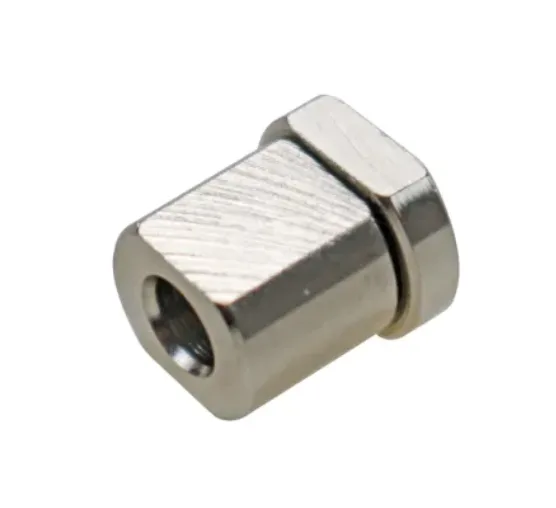
Compact Nickel-Plated Torque Hinge for Smart Devices

360° Torque Hinge 1.6–1.8 N·m (Smooth Positioning)

Mini Damping Hinge | 360° Pivot for Lamps & Mirrors

Cabinet Door Torque Hinge (Quiet & Corrosion-Resistant)

Compact Positioning Torque Hinge (18.2×29 mm)
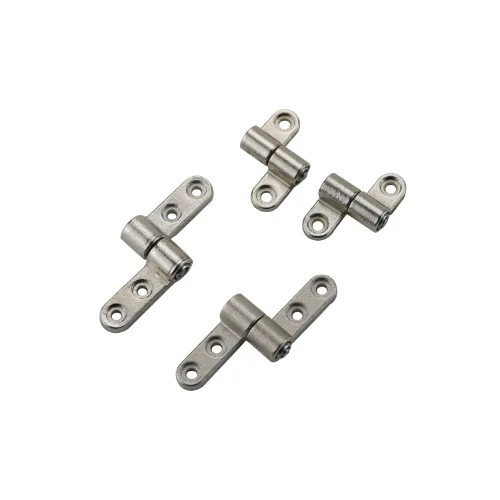
Zinc Alloy Torque Hinge | 360° Free-Stop | 0.2–0.4 N·m
Mini / compact torque hinges are space-constrained friction hinges engineered for portable devices, handheld instruments, and small-form-factor electronics where standard torque hinges are too large to fit. HSP manufactures 12+ mini hinge models with envelopes as small as Φ6.3 × 12 mm, torque ratings from 0.1 N·m to 2.0 N·m, and selectable torque resolution in 0.1 N·m increments — making them suitable for applications where both physical compactness and precise torque calibration are required.
For OEM design engineers working in tight enclosure envelopes — laptops, handheld scanners, portable medical devices, foldable displays — mini torque hinge selection is governed by three engineering constraints: maximum mounting envelope, required holding torque resolution, and material strength at small cross-sections. Drawing on 10+ years of supplying precision hinge solutions to consumer electronics, portable instrument, and handheld device OEMs, our engineering team matches small-form-factor geometry to the application — including custom dimensions, hole patterns, and torque calibration for OEM production.
What Are Mini / Compact Torque Hinges?
Mini torque hinges use the same friction-based holding principle as full-size torque hinges, but are engineered with precision-machined small-diameter pins, optimized friction surfaces, and high-strength materials to deliver reliable torque in a compact envelope. The miniaturization is not simply a scaled-down design — it requires specific material selection (such as SK7 spring steel or 1215 free-machining steel) and tight machining tolerances to maintain torque consistency at small cross-sections.
HSP mini torque models include cylindrical micro-pin designs (Φ6.3 × 12 mm), L-shape miniature hinges (18 × 6 mm and 34.5 × 15.5 mm variants), and bracket-mounted compact hinges (29 × 19 × 8 mm) with left and right-hand mounting orientations. Standard torque values are available in fine increments — typically 0.1 N·m resolution — allowing OEM designers to match torque demand precisely to the panel weight and operating geometry.
- Compact envelope: Smallest models start at Φ6.3 × 12 mm. L-shape and bracket variants extend up to approximately 34.5 mm in length, all under 20 mm in width.
- Fine torque resolution: Standard catalog torque values from 0.1 N·m to 2.0 N·m, with 0.1 N·m increments available on selected models — enabling precise matching to lightweight panel applications.
- Material selection for small cross-sections: SK7 spring steel for applications requiring elastic recovery and fatigue resistance; 1215 free-machining steel for high-volume precision-machined parts; nickel-plated finish across the range for corrosion resistance.
- Left and right-hand variants: Selected bracket-mounted models available in mirrored L/R configurations for symmetric mounting in handheld and portable enclosures.
- Mounting hole patterns: Standard Φ2.0 mm, Φ3.2 mm, and Φ4.3 mm mounting holes — matched to common M2, M3, and M4 fastener sizes used in compact electronics.
- OEM customization: Custom dimensions, mounting patterns, and torque values available for production runs.
Common Applications
- Portable and handheld electronics: Handheld scanners, barcode readers, portable test instruments, and rugged handheld terminals where the hinge must fit within ergonomic envelopes.
- Compact consumer devices: Foldable display supports, digital photo frame stands, smart speaker flip covers, and portable game controllers.
- Portable medical and laboratory equipment: Portable patient monitors, handheld ultrasound devices, point-of-care diagnostic instruments, and portable analyzers.
- Compact industrial HMI panels: Small operator interfaces, control modules, and inspection devices where panel space is limited.
- Mobile communication and security: Handheld radios, intercom panels, compact security cameras, and access control terminals.
- Folding accessories: Foldable keyboards, tablet stands, compact tripods, and portable display supports.
How to Choose a Mini Torque Hinge
Mini torque hinge selection starts with the mounting envelope constraint, then matches torque resolution to the lightweight panel load. Standard sizing rules used for larger hinges do not always apply — at small cross-sections, material strength and machining precision become more critical than envelope dimensions alone.
- Mounting envelope: Measure available length, width, and thickness in the enclosure. For envelopes under 15 mm, consider Φ6.3 cylindrical models; for 18–34 mm length envelopes, L-shape and bracket variants are typically suitable.
- Required holding torque: Calculate from panel weight × distance from rotation axis. For panels under 200 grams, 0.1–0.5 N·m is typically sufficient; for 200–800 gram panels, 0.5–2.0 N·m is the standard range.
- Torque resolution: Mini applications often need finer torque tuning than larger hinges. Selected models offer 0.1 N·m increment selection across the catalog range.
- Material selection: SK7 spring steel for applications with repeated flex or vibration exposure; 1215 carbon steel for high-volume cost-sensitive applications; nickel-plated finish for general corrosion resistance.
- Mounting orientation: Confirm whether the application needs left-hand, right-hand, or symmetric mounting — particularly for handheld devices where hinge orientation affects user grip.
Quality Verification
Mini torque hinges are validated through in-house torque calibration (±5% tolerance on calibrated models), fatigue cycle testing on dedicated test rigs, 2D dimensional inspection of small-feature parts including pin diameter and hole pitch, and salt spray testing where applicable. Precision dimensional control is particularly important for mini hinges, where tolerance stack-up affects torque consistency more significantly than in larger products.
Mini Torque vs Standard Torque Hinges
Mini / compact torque hinges are specified when enclosure envelope is the primary design constraint and panel loads are light. Standard adjustable and constant torque hinges are preferred when space is available and higher torque values (above 2 N·m) are required.
| Selection Factor | Mini / Compact Torque | Standard Torque |
|---|---|---|
| Typical envelope | Φ6.3 mm to 34.5 × 15.5 mm | 50–150 mm length typical |
| Torque range | 0.1 N·m to 2.0 N·m | 0.5 N·m to 20+ N·m |
| Torque resolution | 0.1 N·m increments available | Standard step intervals |
| Common materials | SK7 spring steel, 1215 carbon steel, nickel-plated | SUS 304 stainless, zinc alloy |
| Best for | Handheld devices, portable instruments, compact electronics | Industrial panels, equipment doors, cabinet covers |
| Mounting | M2 / M3 / M4 fasteners, often L/R orientation specific | M5 and above, symmetric mounting common |
OEM Customization
Mini torque hinges are routinely developed as custom OEM solutions, since enclosure designs in portable devices often have unique mounting constraints. Customers provide drawings or sample requirements; our engineering team confirms feasibility, prepares samples within approximately 10 working days, and supports volume production from 1,000 units MOQ. Custom dimensions, mounting hole patterns, torque values, and surface finishes are all adjustable during the development phase.
Frequently Asked Questions
How small can a mini torque hinge be?
HSP standard cylindrical mini torque models start at Φ6.3 × 12 mm. Custom designs can be developed to smaller envelopes depending on the required torque and material — confirmed during the OEM specification phase.
What torque values are available?
Standard torque values range from 0.1 N·m to 2.0 N·m. Selected models offer 0.1 N·m increment selection — for example, the HG11-001-1 cylindrical series is available in 10 torque steps from 0.1 to 1.0 N·m.
Why are mini torque hinges made from SK7 or 1215 steel instead of stainless?
At small cross-sections, material strength, machinability, and fatigue resistance matter more than corrosion alone. SK7 spring steel provides elastic recovery for repeated flex; 1215 carbon steel offers tight precision machining for high-volume production. Nickel plating provides corrosion protection across the range.
Can I customize a mini torque hinge for my product?
Yes. Customers provide drawings or sample requirements; samples are typically prepared within 10 working days. Production MOQ starts from 1,000 units for custom configurations. Custom dimensions, mounting patterns, and torque values are adjustable.
Do you offer left and right-hand mini hinges?
Yes, selected bracket-mounted models are available in mirrored L/R configurations for symmetric mounting in handheld and portable enclosures. Confirm orientation requirements when requesting samples.
Can you recommend a mini torque hinge based on my application?
Yes. Please provide the available mounting envelope, panel weight, required opening angle, expected cycle count, and operating environment. We can recommend a standard model or develop a custom solution. Contact our engineering team for technical support.