-
+86 13720060320
-
lanna@haitangs.com

Choose Hinges by Medical & Laboratory Equipment Type
A laboratory cabinet, mobile medical cart, analyzer access cover and adjustable display do not ask the hinge to do the same job. Start with the equipment type and the moving part, then use the matching product family or detailed engineering guide.
For an initial review, send the available equipment drawing, moving-part size and mass, required motion, mounting space and service condition. HSP can narrow the hinge route before an individual model is quoted or sampled.
Start With the Equipment Type
Different medical and laboratory equipment can use similar door sizes while requiring completely different hinge behavior. Identify the equipment type first, then continue to the product route or engineering guide that owns the detailed selection work.
Stationary Laboratory Cabinets
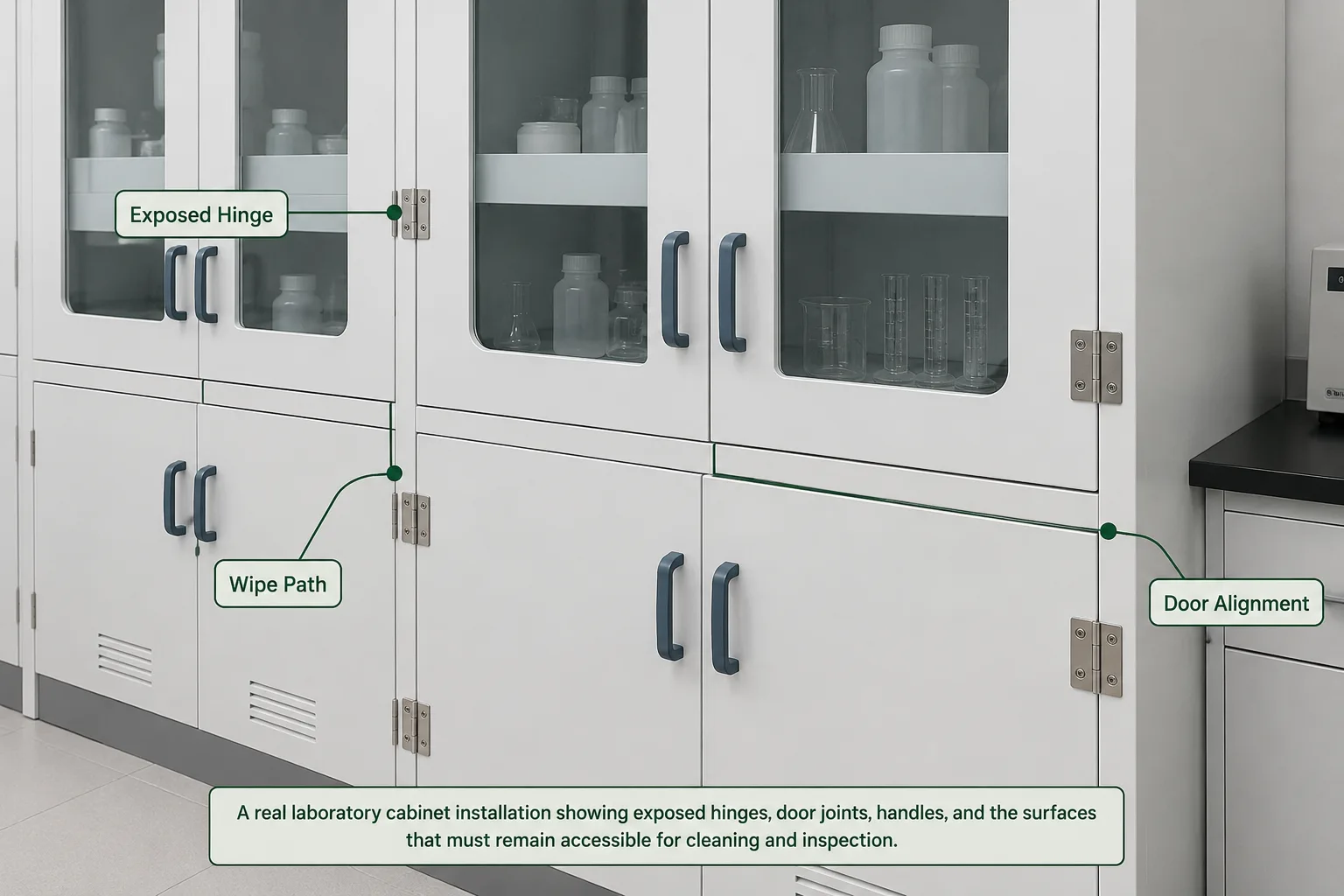
Laboratory cabinet doors and removable service panels are usually controlled by cleaning access, service removal and repeatable reinstallation. Those details should be reviewed as one installed cabinet joint rather than repeated as a general medical-equipment rule.
Laboratory Cabinet Hinge Guide
Cleaning access, removable-panel geometry and reinstallation checks.
Medical Carts & Mobile Equipment Cabinets
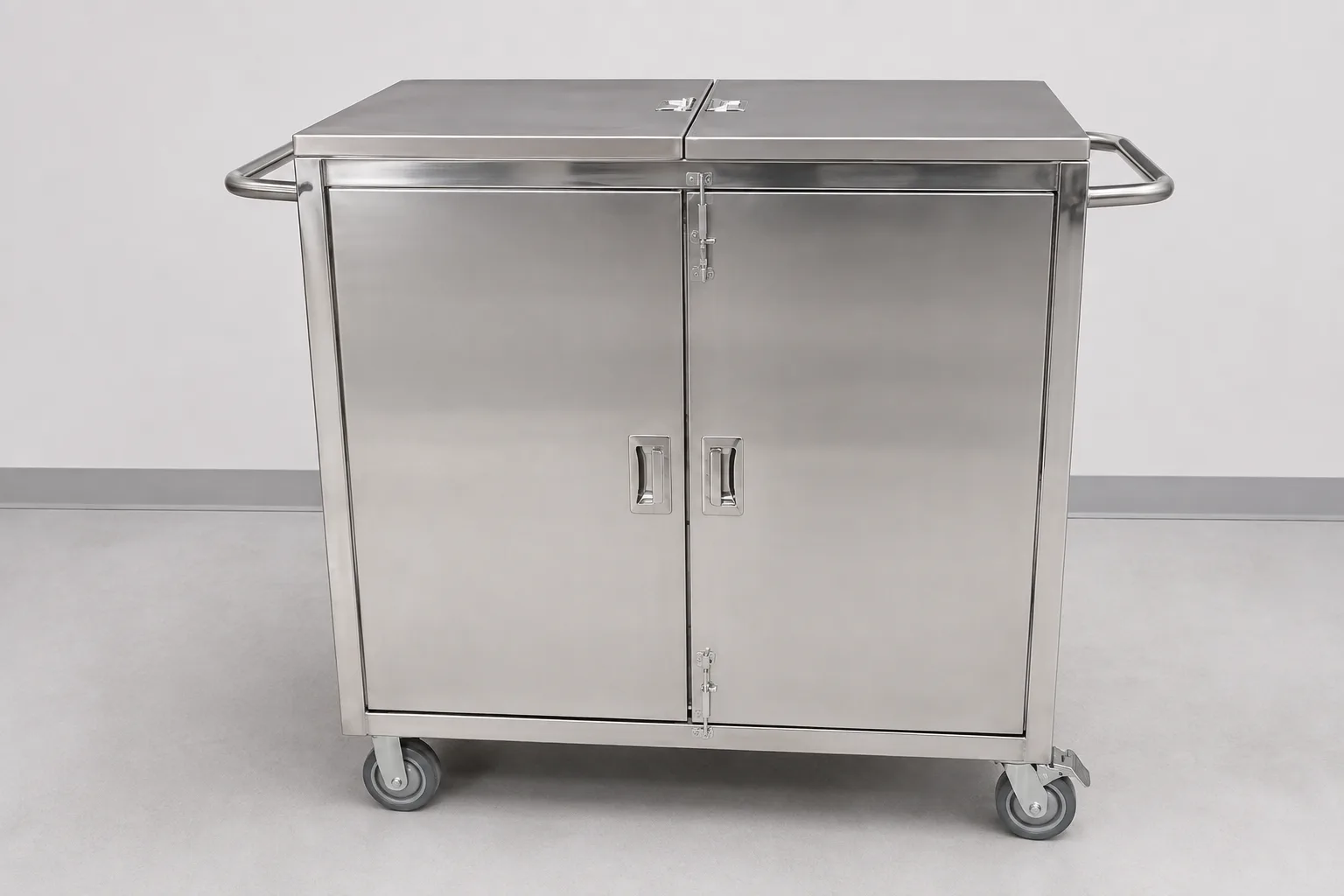
Rolling carts and mobile equipment cabinets add movement, threshold events, bedside clearance and multiple moving panels that do not apply to a stationary laboratory cabinet.
Medical Cart & Equipment Cabinet Hinges
Mobile loads, multiple panels, bedside clearance and cart-specific validation.
Medical Displays & Monitor Arms
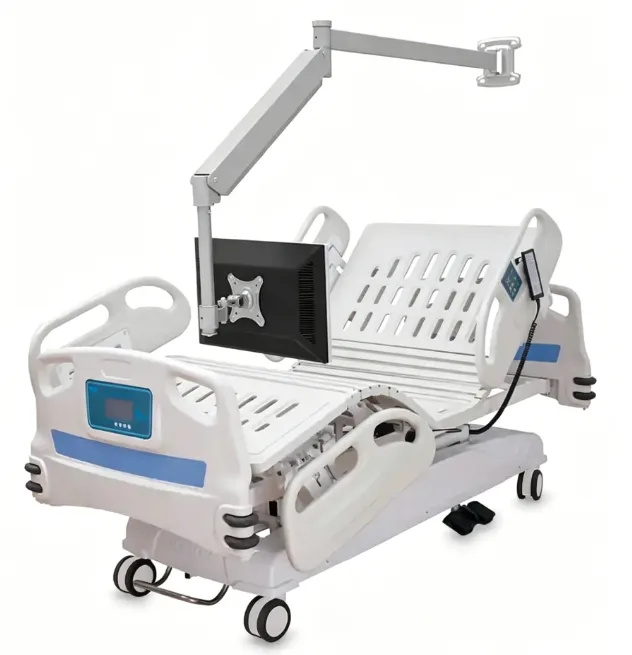
A display that must remain at a selected viewing position is a different hinge problem from an access door or removable service panel. Position control should be reviewed from the complete display assembly and its working range.
Medical Monitor Arm Torque Hinge Guide
Holding torque, adjustment feel, cable routing and display-position validation.
Analyzers, Instruments & Compact Equipment
Analyzers, diagnostic instruments and compact equipment often use access covers or service panels that do not belong to the laboratory-cabinet, medical-cart or monitor-arm categories. Start with the moving part, mounting envelope and required service access, then compare the relevant HSP hinge family below.
Check the Shared Installation Envelope
Across medical and laboratory equipment, the hinge still has to fit the available panel, frame and service space. These checks are shared project inputs; the detailed cleaning, mobile-duty or position-control requirements remain in the equipment-specific guides above.
Mounting Face
Confirm the available flat mounting surface on the moving part and fixed structure before comparing individual hinge models.
Tool Access
Check whether fasteners and assembly tools remain accessible after nearby covers, controls and internal components are installed.
Nearby Components
Review the hinge sweep against wiring, tubing, connectors, displays and other components close to the moving edge or hinge axis.
External Projection
Where external hinge hardware should be minimized, compare the Concealed Hinges route against the actual panel and frame geometry.
Find the HSP Hinge Family for the Moving Part
After the equipment type is clear, use the moving-part requirement to narrow the HSP product family. Detailed application checks remain with the equipment-specific guides, while the final model is confirmed from the actual drawing and mounting interface.
Moving-part requirementHSP routeWhy it fits
Conventional access door or cover
For equipment panels that only require reliable opening and closing without complete removal, position holding or a specialized heavy-load architecture.
Exterior hinge hardware should stay hidden
For compact equipment where the hinge mechanism should remain within or behind the panel and frame envelope.
Panel must come off for service
For removable access panels where taking the complete panel away materially improves service or equipment access.
Display or cover must hold position
For a moving part that must remain at selected working positions before a more detailed position-control review is completed.
Larger or equipment-loaded door
For larger moving assemblies where complete mass, width or mounted hardware creates a higher load at the hinge-side structure.
Continue With the Relevant Equipment Guide
Use the equipment-specific guide when the project needs more detail than the broad product-family route above.
Laboratory Cabinet Doors & Service Panels
Detailed cleaning access, removable-panel geometry, reinstallation alignment and cabinet-specific evidence.
Medical Carts & Mobile Equipment Cabinets
Mobile loads, multiple moving panels, bedside opening clearance and cart-specific validation.
Medical Displays & Monitor Arms
Holding torque, adjustment feel, cable routing and display-position validation.
What to Send With the Equipment Drawing
An initial review can begin with the equipment type, moving-part information and mounting details already available from the assembly or drawing.
Equipment
- Equipment type
- Stationary or mobile use
- Service condition
- Expected quantity if known
Moving Part
- Width and height
- Complete moving mass
- Mounted components
- Center of gravity if known
Motion & Service
- Required opening or working angle
- Free swing / hold / complete removal
- Required service access
- Normal operating position
Mounting
- Available hinge envelope
- Panel and frame structure
- Fastener / tool access
- Number and position of hinges
Use the actual equipment assembly and mounting interface to confirm the model before sampling.
From Drawing Review to Sample and Quotation
01
Drawing Review
Send the available equipment drawing, panel information, required motion and expected quantity so the hinge route and mounting interface can be reviewed.
02
Model or Sample Confirmation
HSP can compare available models against the supplied installation information before a sample is prepared for evaluation.
If a sample is needed, confirm the target model, quantity and what the sample will be checked for before it is prepared.
03
Quotation
Pricing and lead time are confirmed against the selected model, quantity, material or finish, sample requirement and delivery scope.
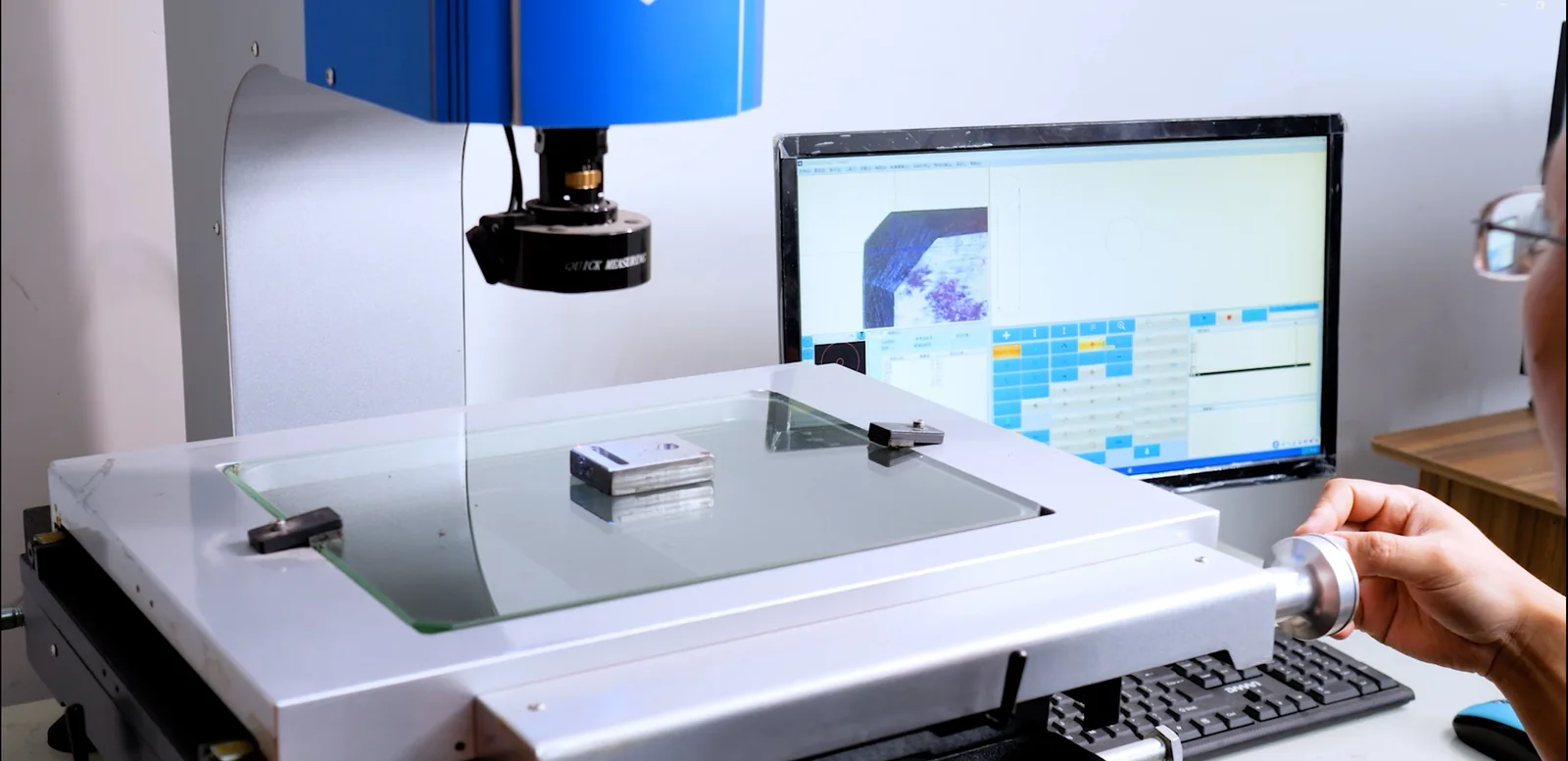
Engineering Review for Medical & Laboratory Equipment Projects
HSP can review the equipment type, moving-part function, mounting envelope and available drawing before the project is routed to the appropriate hinge family or detailed application review.
The initial review should identify whether the project is a stationary cabinet, mobile equipment assembly, position-controlled display or another access-panel application before an individual hinge model is confirmed for sampling.
- Equipment-type review
- Moving-part requirement review
- Mounting interface review
- Drawing / sample confirmation
Related Engineering References
Continue with the equipment-specific guide when the project requires deeper cleaning, mobile-duty, position-control or drawing review.
How to Select Laboratory Cabinet Hinges for Cleaning and Service Access
Use this guide for stationary cabinet cleaning access, removable service panels and repeatable reinstallation.
How to Select Medical Cart and Equipment Cabinet Hinges
Use this guide for mobile medical equipment, multiple moving panels, rolling duty and bedside clearance.
Medical Monitor Arm Torque Hinge Guide
Use this guide for display holding torque, movement feel, cable routing and position-control validation.
How to Read a Hinge Spec Sheet and Engineering Drawing
Use the drawing guide when dimensions, mounting details and model information must be checked before sampling.
Send Your Medical or Laboratory Equipment Details
Send the equipment type and moving-part information already available from the drawing or assembly. An initial review can begin before every production detail is fixed.
Helpful details:
- Equipment type
- Panel / cover / display size
- Complete moving mass
- Required movement
- Stationary or mobile use
- Available hinge space
- Nearby wiring / tubing / components
- Whether complete removal is required
- Drawing or photo if available
Complete project data is not required for an initial review.
Send Application Details
Include any available equipment type, panel size, moving mass, required motion, cleaning, service or mounting details. A drawing is helpful when available.