-
+86 13720060320
-
lanna@haitangs.com

Hinges for Electrical Enclosures
Electrical Enclosure Hinge Solutions
The hinge for an electrical enclosure should be selected from the complete door system — not from door weight alone. Door width, center of gravity, gasket alignment, mounting structure, service access and environment determine which hinge family should be evaluated first.
Start with the door requirement, then compare the HSP hinge family that fits the mounting and service method.
Common routes: Standard Door · Heavy / Wide Door · Removable Door · Concealed Mounting · Welded Cabinet · Position-Holding Panel · Outdoor Enclosure
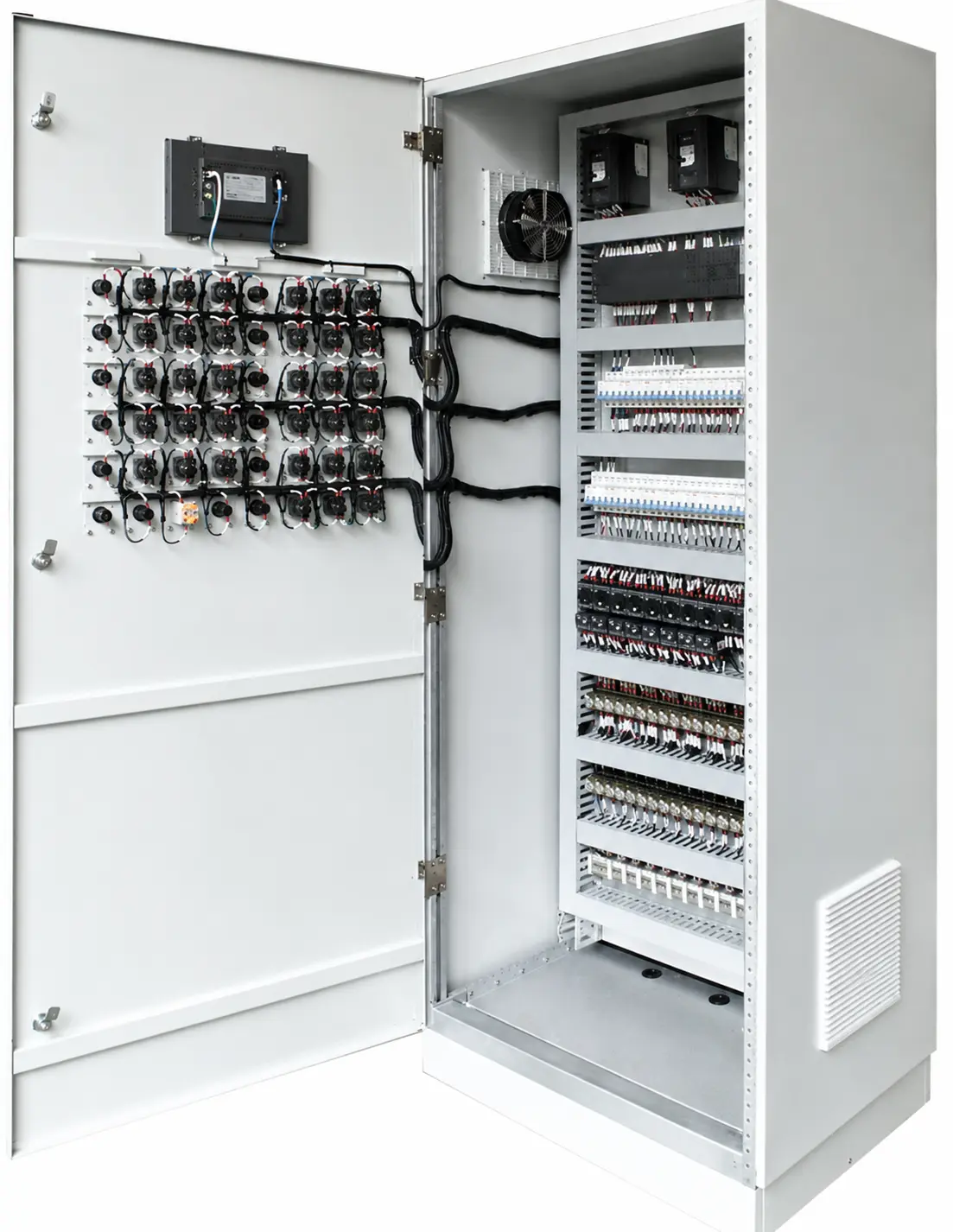
Start With the Enclosure Door Requirement
The door configuration gives the fastest first filter for hinge architecture. Use these routes to decide which family enters the comparison, then confirm the installed load and mounting interface before a model is released.
Door requirementRecommended hinge directionWhy it enters the comparison
Standard indoor enclosure door
Start with mounting and service method
For a conventional free-swing cabinet door without removal, position-holding or outdoor requirements, start with the available mounting envelope, door and frame geometry, and the preferred internal or external hinge arrangement. Compare Industrial Hinges.
Heavy or wide enclosure door
Heavy-Duty Hinges
Use when door mass, width or mounted components create a higher moment at the hinge side. The attachment and supporting cabinet structure must be evaluated with the hinge.
Door must be fully removed for wiring or service
Lift-Off Hinges
Useful when the maintenance procedure requires the complete door to come off without removing hinge fasteners. Confirm removal direction, available lift clearance and safe wiring disconnection.
Exterior hardware should remain hidden
Concealed Hinges
Useful when exterior projection, tamper exposure or cabinet appearance favors an internally mounted hinge arrangement. Internal space and the door return geometry determine whether the architecture fits.
Fabricated steel cabinet or welded frame
Weld-On Hinges
Useful when direct welded attachment fits the cabinet fabrication route and later hinge removal is not required. Welding access, common-axis alignment and distortion control remain part of the cabinet process.
HMI / display panel must remain at an angle
Torque Hinges
Use this route only when the moving HMI or operator panel must hold position. A normal electrical cabinet door that only opens and closes does not automatically require a torque hinge.
Outdoor electrical enclosure
System review required
Review hinge architecture together with material, fasteners, sealing, drainage and environmental exposure. Use the Outdoor Enclosure Hinges guide for the detailed exposure context.
Similar-size cabinet doors can require different hinge arrangements when the installed hardware, gasket, service sequence or surrounding equipment changes. Confirm those interfaces before comparing hinge size, material or attachment details.
HSP Hinge Options for Electrical Enclosures
After the door requirement is clear, compare the product family that fits the intended load path, mounting arrangement and service method. Model-level selection still depends on the installed cabinet interface.

Heavy-Duty Hinges
For larger or higher-moment doors where the hinge structure and mounting interface must carry greater reaction loads. Confirm the supporting panel or frame as part of the load path.
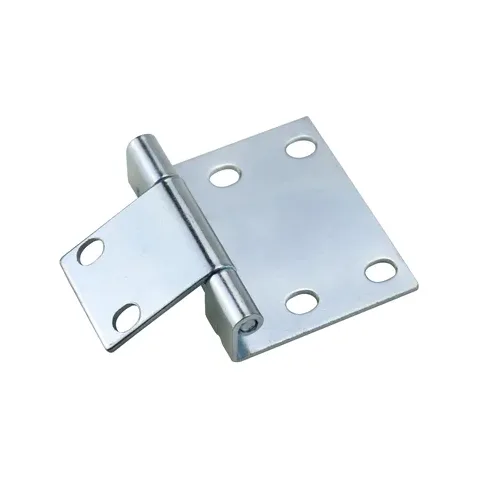
Concealed Hinges
For enclosures that require the hinge hardware to remain inside the cabinet profile or protected from external access. Check the internal mounting envelope and door return geometry.
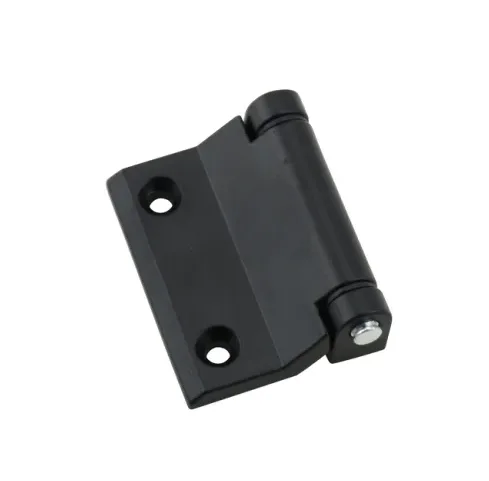
Lift-Off Hinges
For doors that must be removed during wiring, equipment installation or scheduled maintenance. Confirm lift direction, removal clearance and the safe handling of connected hardware.
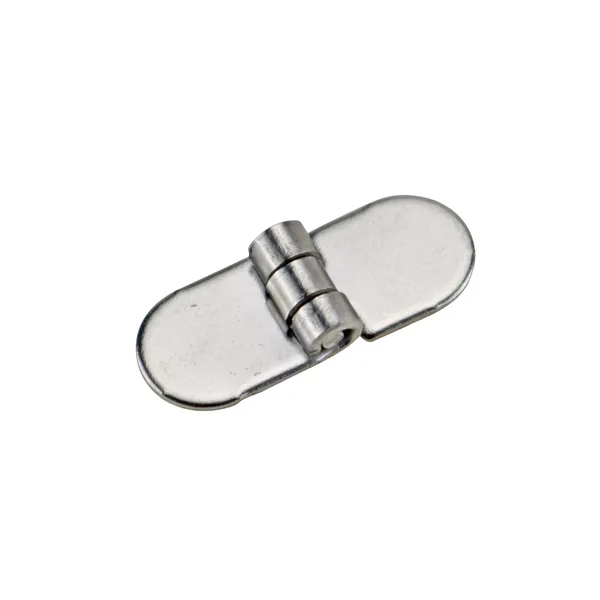
Weld-On Hinges
For fabricated metal enclosures where direct welded attachment matches the production and service strategy. Welding sequence and hinge-axis alignment remain cabinet fabrication controls.
For conventional cabinet doors without a special motion or removal requirement, compare the broader Industrial Hinges range by mounting geometry and available space.
For HMI covers or operator panels that must hold position, review Torque Hinges separately.
What Changes the Hinge Choice on an Electrical Enclosure
Define these inputs before comparing electrical enclosure hinge models. They establish the door geometry, mounting interface and operating conditions that the hinge must fit.
Door & Load
- Door width × height
- Complete moving weight
- Center of gravity
- HMI, fan, lock or equipment mounted on the door
Mounting Structure
- Thin sheet or reinforced panel
- Internal frame / return flange
- Bolt, stud or weld
- Available hinge envelope
Seal Interface
- Gasket location
- Door return geometry
- Latch pull-in
- Required closed-door alignment
Service
- Door remains attached
- Complete door removal
- Wiring access
- Replacement access
Environment
- Indoor / outdoor
- Moisture / corrosion
- Washdown where applicable
- Temperature / vibration
The Hinge, Gasket and Latch Must Work as One System
Electrical enclosure hinge selection depends on the complete door and frame interface.
Evaluate the hinge together with the door structure, frame stiffness, gasket, latch / keeper and mounting interface. The hinge should return the door to a repeatable position so the gasket and latch can engage as intended.
- Door structure
- Frame stiffness
- Gasket interface
- Latch / keeper
- Mounting interface
A stronger hinge does not correct poor hinge-axis alignment, a flexible mounting flange or a latch that pulls the door into position.
Common Electrical Enclosure Applications
Different enclosure types can share a cabinet outline while requiring different access, mounting and service behavior. The scenarios below show where the hinge decision changes.
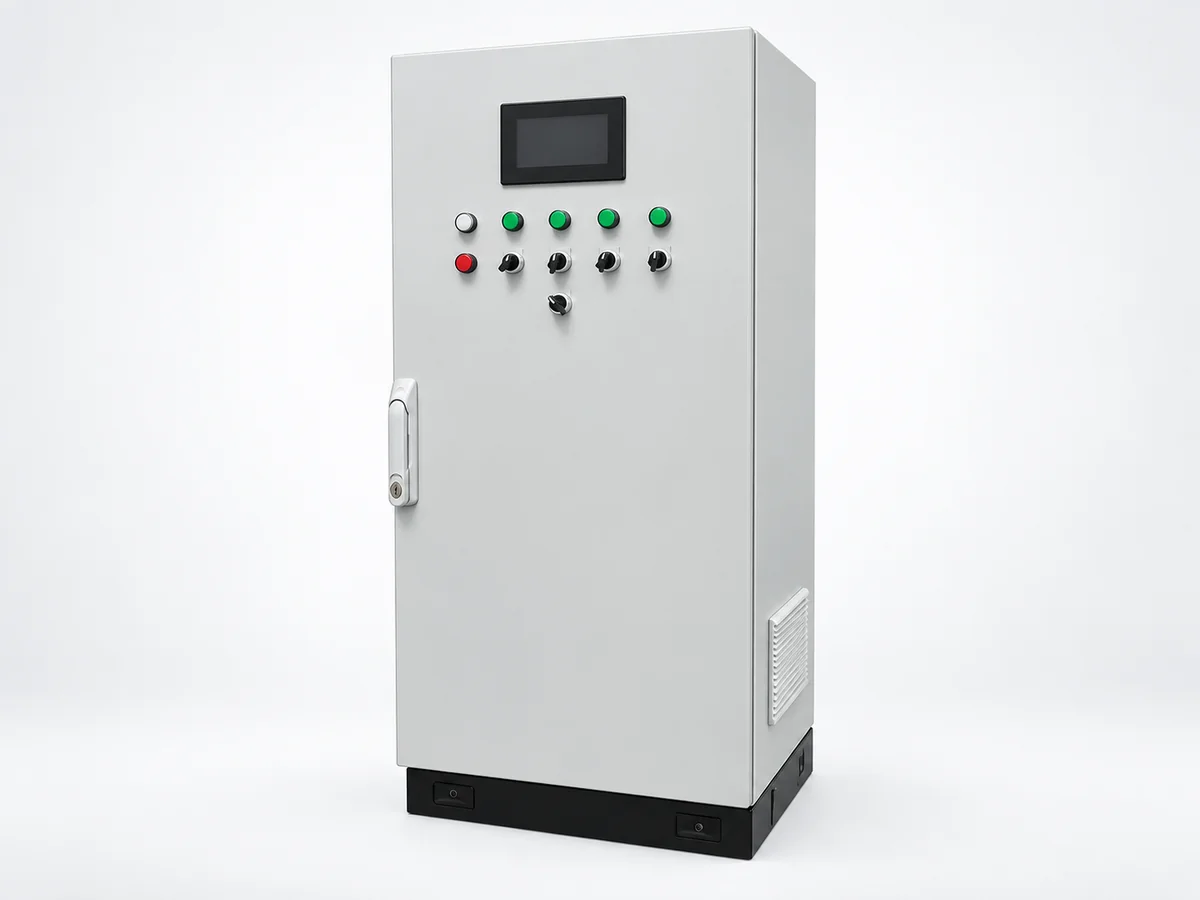
Control Cabinets
Repeated wiring and maintenance access often make door removal, hardware clearance and service space important parts of the hinge decision.
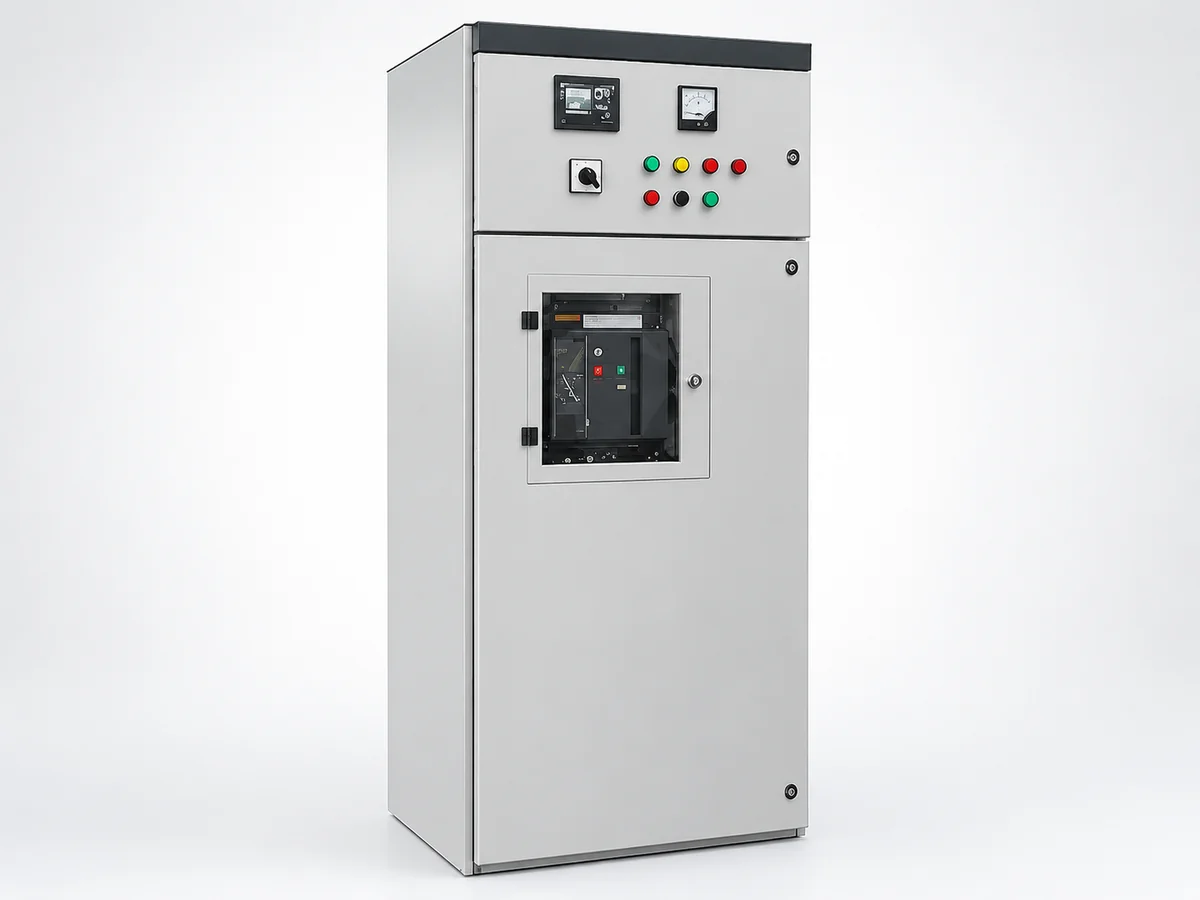
Switchgear & Distribution Enclosures
Wide or equipment-loaded doors place more emphasis on frame stiffness, hinge spacing and the available opening path beside adjacent equipment.
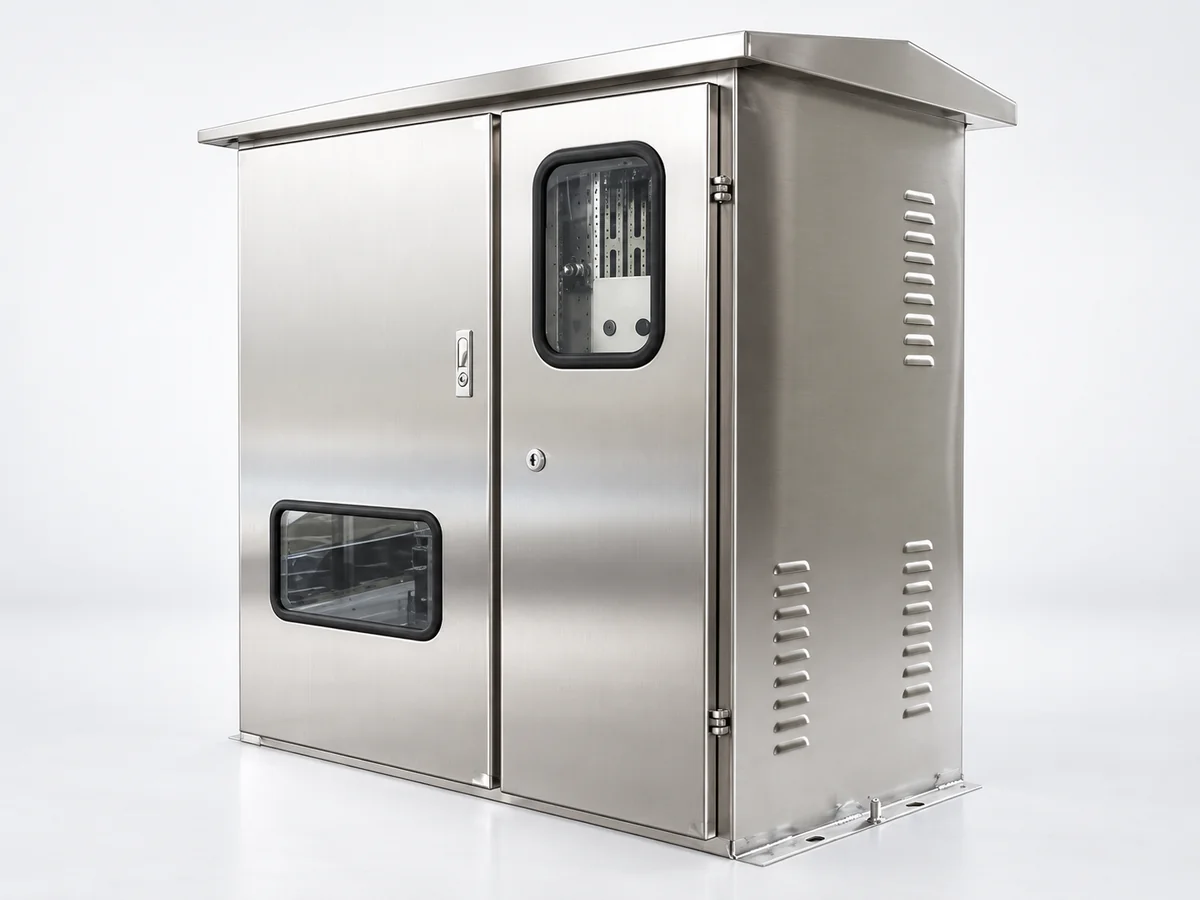
Industrial Automation Cabinets
HMIs, cooling fans, locks and other door-mounted hardware can move the center of gravity farther from the hinge axis and change the installed load case.
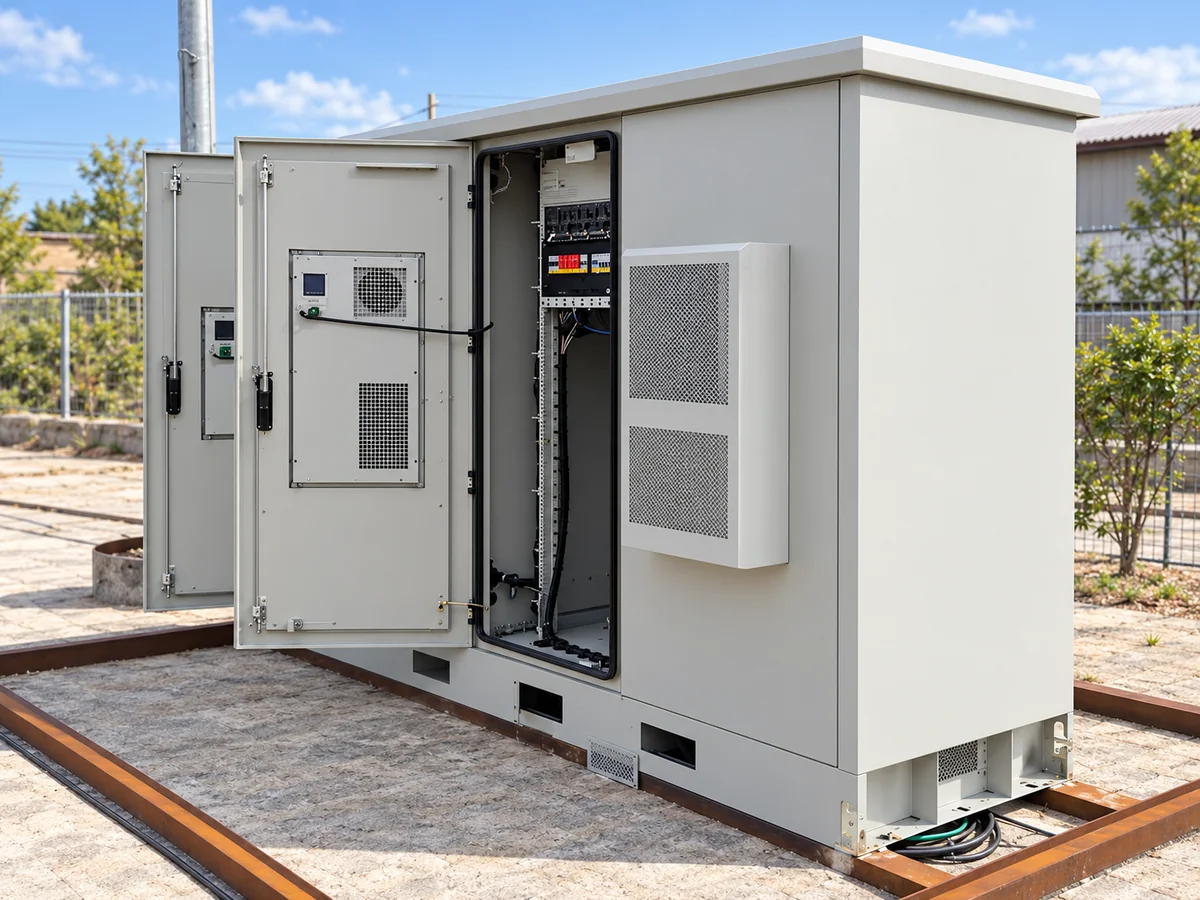
Outdoor Electrical Cabinets
Outdoor exposure adds material, fastener, sealing and drainage considerations to the normal door and mounting requirements.
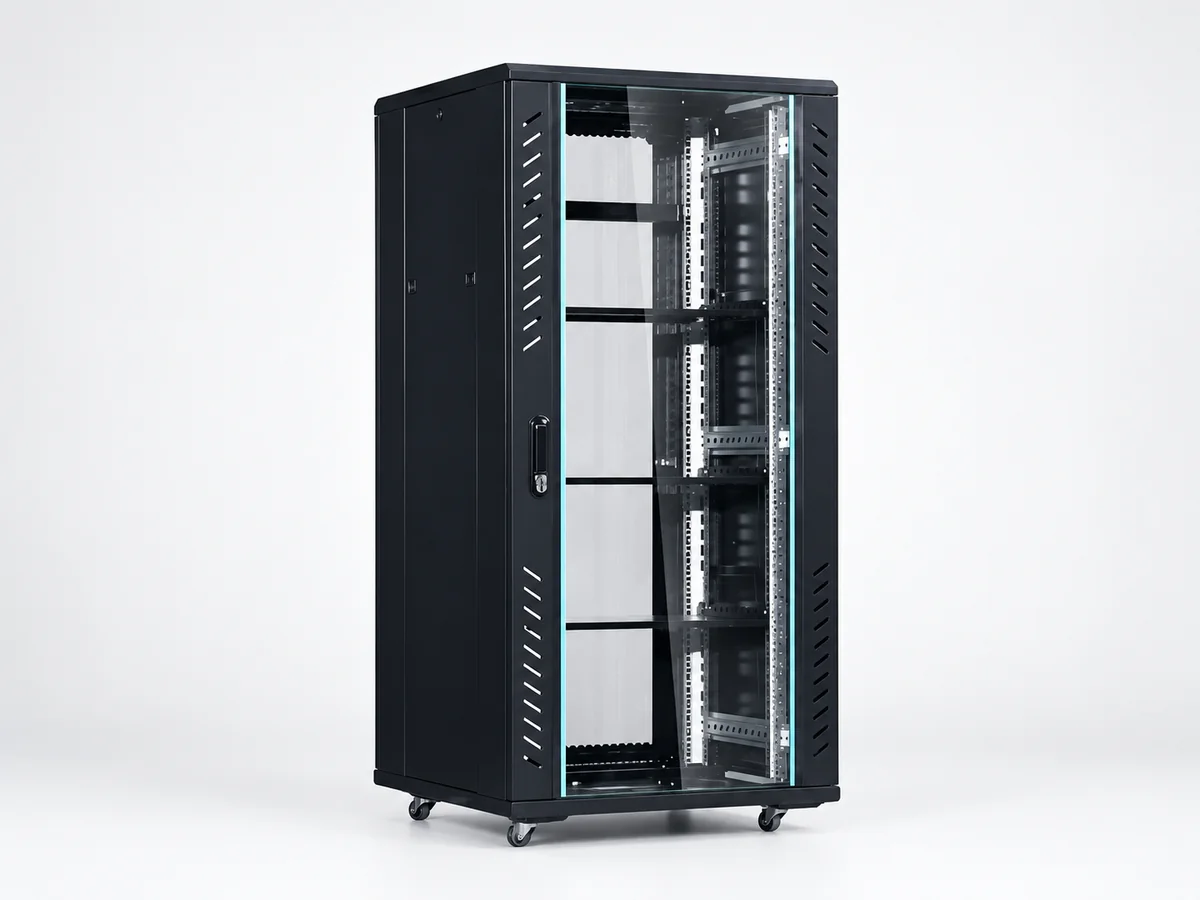
Telecom / Network Enclosures
Limited internal space, cable routing and service access can make removable or concealed hinge arrangements more practical.
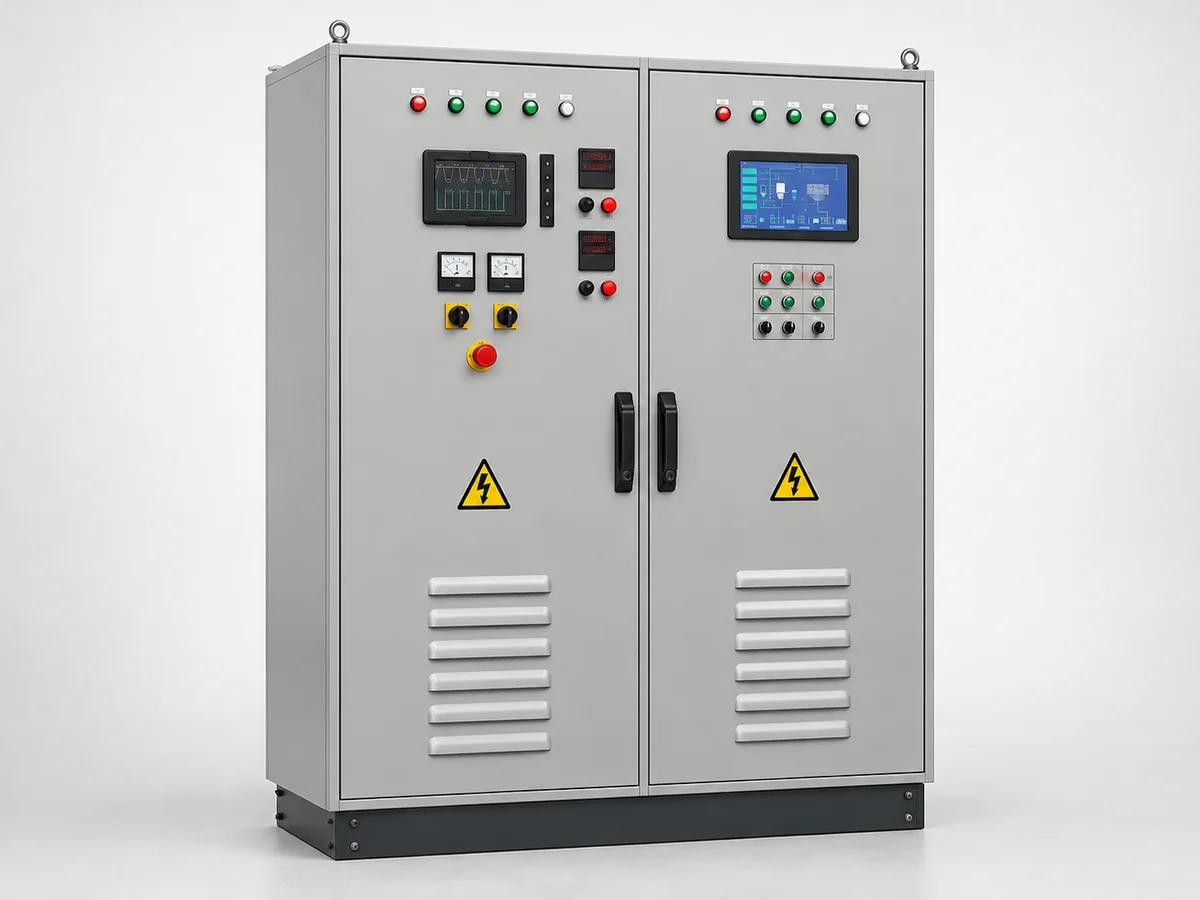
Equipment Control Panels
Frequent operator access and a limited hinge envelope often control the selection; position-holding is only required when the moving display or cover must remain at an angle.
Before a Model Is Released
Geometry
- Hinge axis
- Door / frame clearance
- Opening angle
Mounting
- Panel / frame interface
- Reinforcement where required
- Fastener or weld access
Function
- Gasket alignment
- Latch engagement
- Door removal / service access
Confirm the selected model against the released cabinet drawing and mounting interface before sampling.
Technical Guides for Detailed Selection
For load ratings, thin-sheet mounting, outdoor exposure and drawing review, use the detailed engineering guides below.
How to Choose an Industrial Hinge
Use the complete comparison workflow when load, motion, mounting, environment and service requirements must be reviewed together.
Industrial Hinge Load Ratings
Review how door geometry, center of gravity, hinge spacing and the installed load case affect rating comparison.
How to Mount Hinges on Thin Sheet Metal
Examine attachment and reinforcement when sheet thickness or local panel stiffness limits the mounting interface.
Outdoor Enclosure Hinges
Review hinge construction together with exposure, corrosion, sealing, drainage, fasteners and the complete outdoor cabinet system.
How to Read a Hinge Spec Sheet and Engineering Drawing
Check drawing views, dimensions, mounting features and specification limits before approving a model for the cabinet interface.
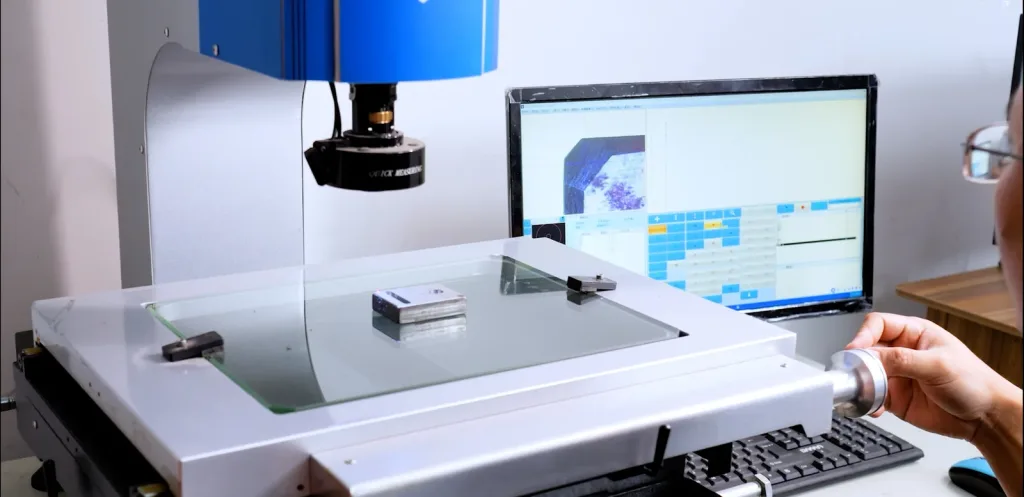
Engineering Support for Electrical Enclosure Projects
HSP can review the available door geometry, mounting interface, movement requirement and product-family fit before a model or drawing is released for sampling. The review uses the information available at the current project stage and focuses on the installed cabinet interface.
This review can begin with preliminary dimensions and a cabinet drawing. Final confirmation should use the released door, frame and mounting details so the hinge is assessed in the geometry that will be sampled.
- Application data review
- Mounting interface review
- Drawing / sample confirmation
- Project-specific validation where required
Send Your Electrical Enclosure Door Details
Send the information available at this stage so the door configuration and likely hinge family can be reviewed. A preliminary request may start with only basic dimensions, the service requirement and a photo or drawing of the intended mounting area.
Helpful details include:
- Door width and height
- Approximate moving weight
- Hinge mounting space
- Panel / frame material
- Required opening angle
- Indoor or outdoor environment
- Whether the door must be removable
- Drawing if available
Share what is available; complete project data is not required for an initial review.
Send Application Details
Include any available door size, weight, opening angle, environment or mounting details. A drawing is helpful when available.