-
+86 13720060320
-
lanna@haitangs.com

HVAC & Thermal Equipment Hinge Solutions
HVAC and thermal equipment doors can change between ambient and operating conditions. Door mass, insulation, frame structure, gasket contact and the hinge mounting interface all affect which hinge architecture should be compared before an individual model is selected.
Start with the equipment duty and the way the door must close, open and be serviced, then compare the HSP hinge family that fits the installed door and mounting structure.
Identify the Thermal Door Duty
A light HVAC service panel, a heavy insulated door and a removable cooling-equipment cover may all operate around temperature-controlled equipment, but they do not begin with the same hinge requirement.
HVAC & Air-Handling Access Doors
Routine access doors for filters, fans, coils and internal components are usually controlled first by door construction, access frequency, sealing requirements and whether the complete panel stays attached during service.
Does the door stay attached, or must it come completely away for maintenance?
Heated & Insulated Equipment Doors
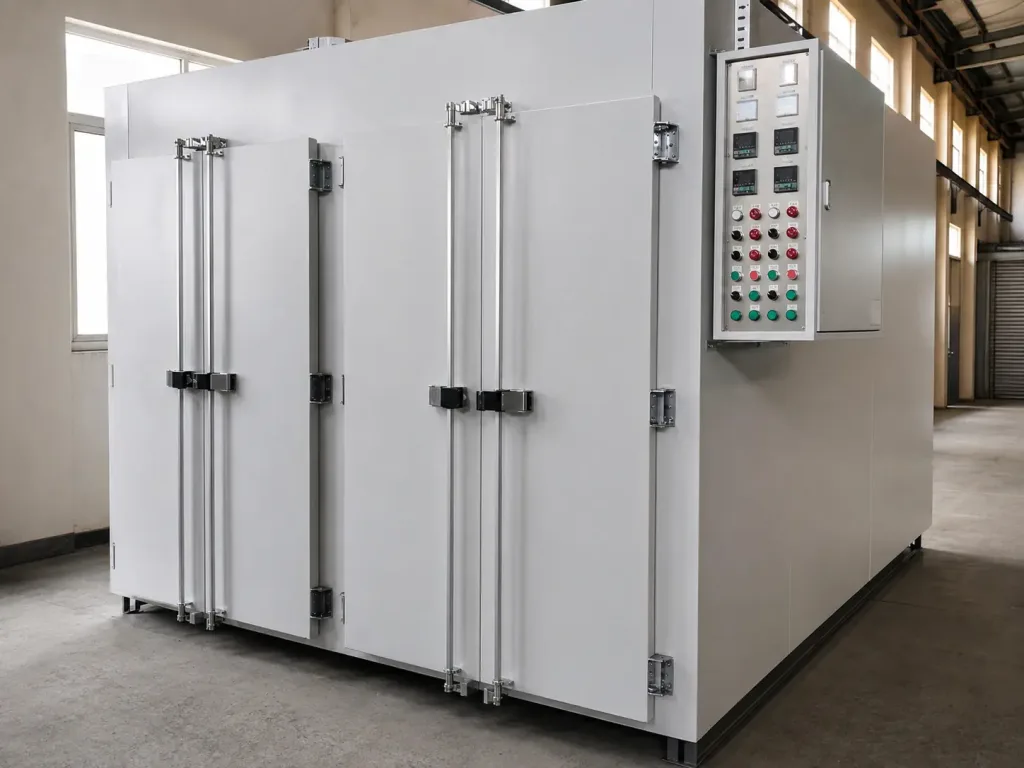
Heated cabinets, dryers and insulated process equipment can place a heavier door and changing thermal condition around the hinge-side structure. Start with the complete moving door and the mounting structure rather than a temperature label alone.
Is the hinge carried by a reinforced structural edge, bracket or fabricated frame?
Cooling & Refrigeration Equipment
Cooling equipment doors may combine insulation, gasket contact, condensate exposure and repeated service access. The hinge route should follow the installed door structure and service method before material details are finalized.
Will the panel remain aligned and accessible through the intended service condition?
Thermal & Environmental Test Equipment
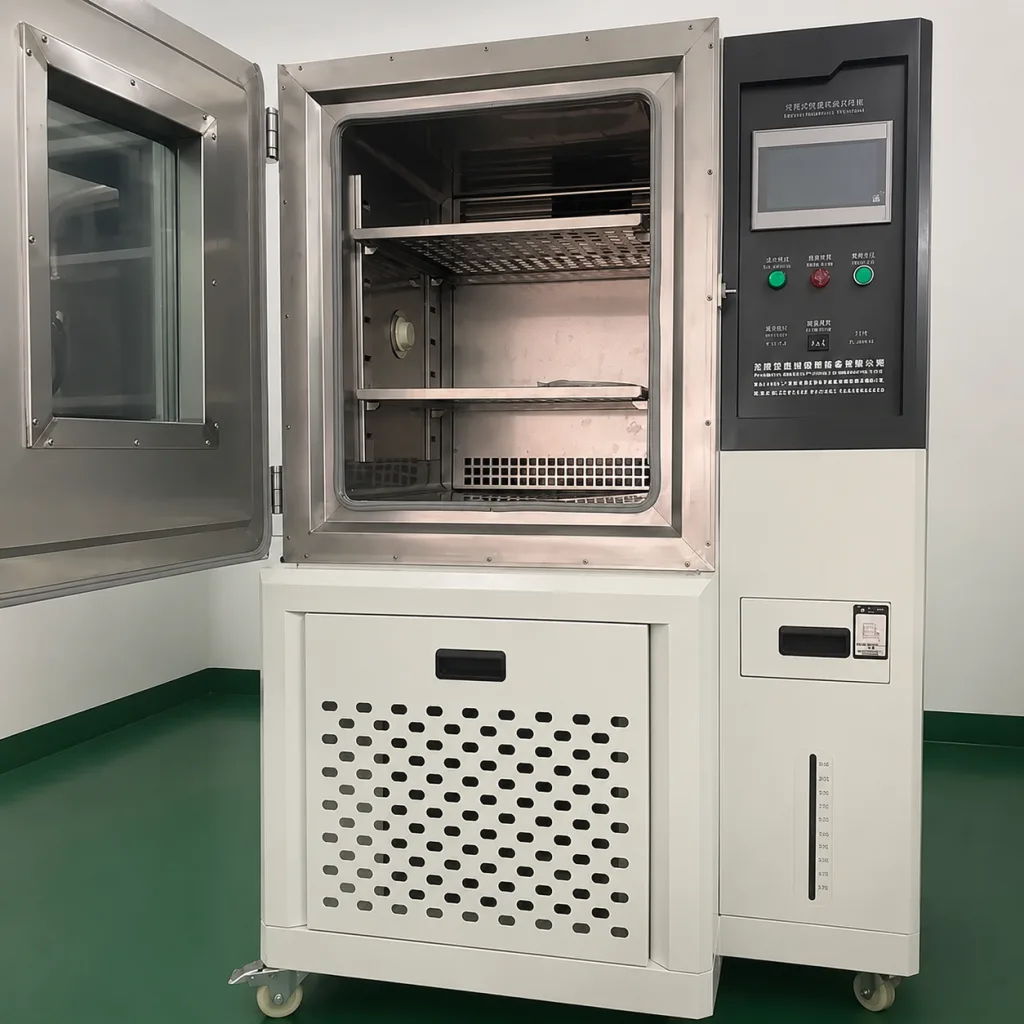
Temperature and humidity chamber doors often combine insulated construction, sealing and repeated operating cycles. Use the application page to identify the hinge family, then review chamber-specific seal and cycling mechanics through the environmental test chamber hinge selection guide.
What Changes Between Ambient and Operating Conditions?
The door may fit correctly during assembly and still see a different relationship between the hinge, frame and seal when the equipment reaches its operating condition. The first review should identify what can move or change before an individual hinge model is approved.
Door and Frame Position
Insulated panels, frame sections and mounting brackets may not remain in exactly the same relationship as the equipment heats or cools.
Seal Contact
The hinge should return the door to a repeatable closing position so the gasket and latch can perform their intended functions without correcting a large hinge-side alignment error.
Hinge Exposure
Equipment temperature alone does not define the hinge condition. Hinge location, insulation, bracket position and whether the door opens while the equipment is hot or cold all affect the installed exposure. For component-level hot-state review, use the industrial oven door hinge guide.
Service Condition
Confirm whether the door is serviced only at ambient condition or must also be opened, removed or inspected while the equipment remains warm, cold or in another defined operating state.

Find the Hinge Family for the Installed Door
Use the installed door condition to narrow the product family first. Individual model selection comes after the door load, mounting interface and service requirement are confirmed.
Installed door conditionHSP hinge familyWhy it fits the route
Normal HVAC access door
For conventional free-swing access panels where the door remains attached and no special removal or heavy-load architecture is required.
Heavy or insulated equipment door
For larger insulated doors or assemblies where complete moving mass, door width or mounted hardware increases the load carried by the hinge-side structure.
Door must come off for maintenance
For HVAC or thermal equipment where coil, heater, filter or internal-component service requires the complete door or panel to be removed.
Fabricated steel frame with permanent attachment
For fabricated equipment structures where welded attachment matches the frame design and later hinge removal is not part of the service plan.
External hinge projection should be minimized
For equipment where hinge hardware should remain within the door and frame envelope, subject to the available internal mounting space and service access.
Keep the Closing Interface Stable
For insulated and gasketed doors, the hinge must bring the moving panel back to the intended closed position before the latch applies the required closing force.
Hinge Axis
The installed hinge line should remain compatible with the door and frame geometry through the intended operating condition.
Gasket Contact
Check the closing path at the hinge side as well as the latch side so the door does not depend on excessive latch pull-in to reach the seal.
Frame Support
The hinge load should enter a structural part of the door and frame rather than relying only on a thin outer skin or unsupported insulation-facing panel.
Service Access Can Change the Hinge Route
Door Remains Attached
If routine service can be completed with the door open and attached, keep the architecture simple unless load, mounting or concealment requires another route.
Relevant families: Industrial, Heavy-Duty and Concealed.
Door Must Be Removed
If access to coils, heaters, filters, insulation, fans or internal assemblies requires the complete panel to come away, confirm the removal direction, lift clearance and handling space before choosing a Lift-Off Hinge.
What to Send With the HVAC or Thermal Door Drawing
An initial hinge review can begin with the equipment, door, operating condition and mounting information already available.
Equipment
- Equipment type
- Heated / cooled / cycled duty
- Operating condition or temperature range if available
- Whether the door opens during the operating condition
Door
- Door width and height
- Complete moving mass
- Insulation, liner, window or mounted hardware
- Center of gravity where known
Seal & Service
- Gasket / seal arrangement where applicable
- Required opening angle
- Door remains attached or fully removable
- Maintenance access requirement
Mounting
- Door and frame section at the hinge
- Bolt / stud / weld attachment
- Available hinge envelope
- Hinge quantity and spacing
Use the actual door and frame interface to confirm the selected model before sampling.
From Drawing Review to Sample and Quotation
Drawing Review
Send the available equipment drawing, door information, operating condition and expected quantity so the hinge route and mounting interface can be reviewed.
Model or Sample Confirmation
HSP can compare available hinge models against the supplied door and mounting information before a sample is prepared for evaluation.
If a sample is needed, confirm the target model, quantity and what the sample will be checked for before it is prepared.
Quotation
Pricing and lead time are confirmed against the selected model, quantity, material or finish, sample requirement and delivery scope.
Engineering Review for HVAC & Thermal Equipment Projects
HSP can review the door geometry, complete moving load, operating condition, mounting structure and service requirement before an individual hinge model is confirmed for sampling.
For insulated or gasketed doors, include the door and frame section around the hinge so the product family can be reviewed against the installed closing and mounting interface.
- Door and frame review
- Mounting interface review
- Product family review
- Drawing / sample confirmation
Related Engineering References
Use the detailed engineering guides when the project needs thermal, chamber-door, load or drawing analysis beyond the initial product-family selection.
Industrial Oven Door Hinges: High-Temperature Selection Guide
Use this guide when the project needs component-level temperature, heat-path, pivot or hot-state validation.
How to Select Environmental Test Chamber Hinges for Sealed Doors
Use this guide for chamber-door sealing, thermal cycling, condensation and detailed installed-door validation.
Industrial Hinge Load Ratings
Review door mass, center of gravity, hinge spacing and the installed load case in more detail.
How to Read a Hinge Spec Sheet and Engineering Drawing
Use the drawing guide when dimensions, tolerances, mounting details and model information must be checked before sampling.
Send Your HVAC or Thermal Equipment Door Details
Send the equipment and door information already available from the assembly or drawing. An initial review can begin before every production detail is fixed.
Helpful details:
- Equipment type
- Door size
- Complete moving mass
- Heated / cooled / cycled condition
- Gasket or seal arrangement
- Required opening angle
- Mounting structure
- Whether full door removal is required
- Drawing or photo if available
Complete project data is not required for an initial review.
Send Application Details
Include any available equipment type, door size, moving mass, operating condition, seal, service or mounting details. A drawing is helpful when available.