-
+86 13720060320
-
lanna@haitangs.com

360° Swivel Torque Hinges
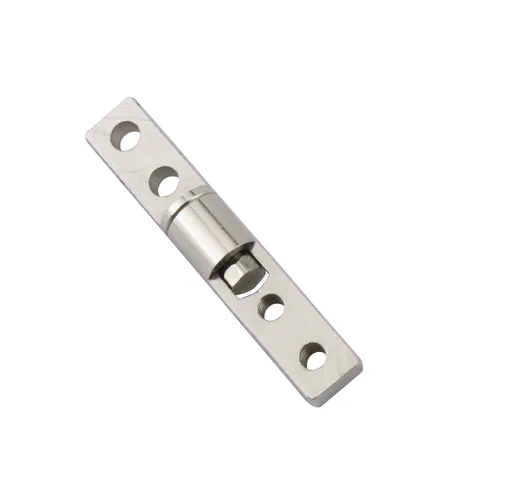
360° Embedded Torque Hinge 0.2–3.0 N·m | Compact Round Bar
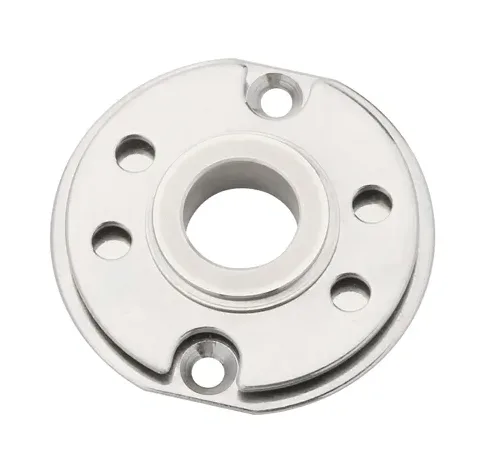
360° Damping Pivot Hinge 0.15 N·m | Stainless Steel
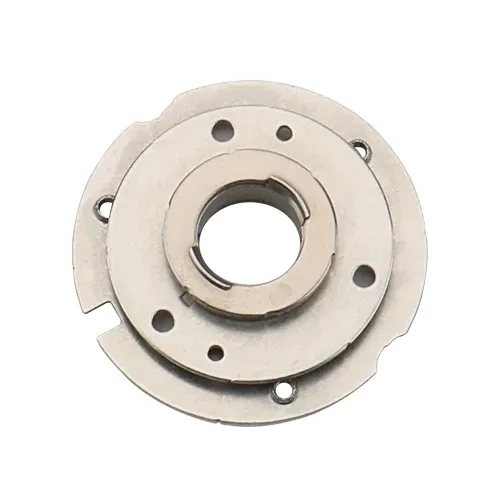
0.3 N·m Detent Torque Hinge 0°/180° | Stainless Steel
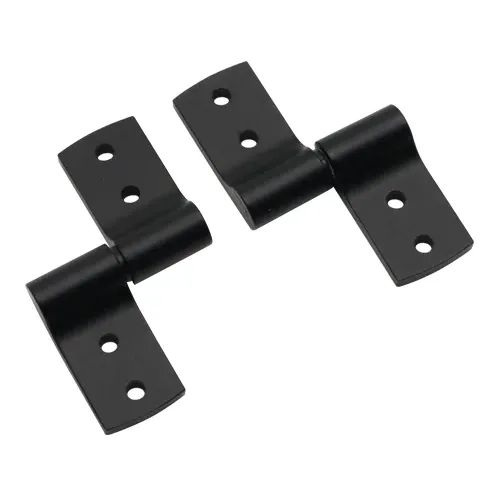
360° Constant Torque Hinge 0.5 N·m | Compact Zinc Alloy
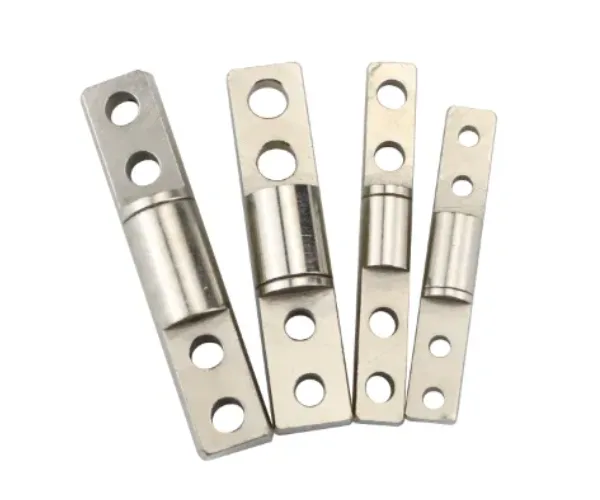
Embedded Torque Hinge 0.1–2.0 N·m | 360° Smooth Motion
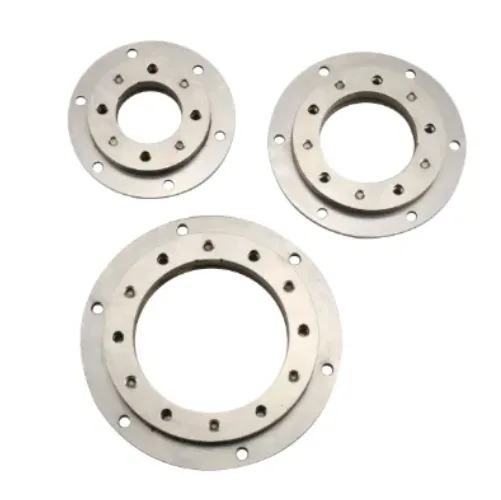
Stainless Steel Large Disc Torque Hinge – 5/7 N·m
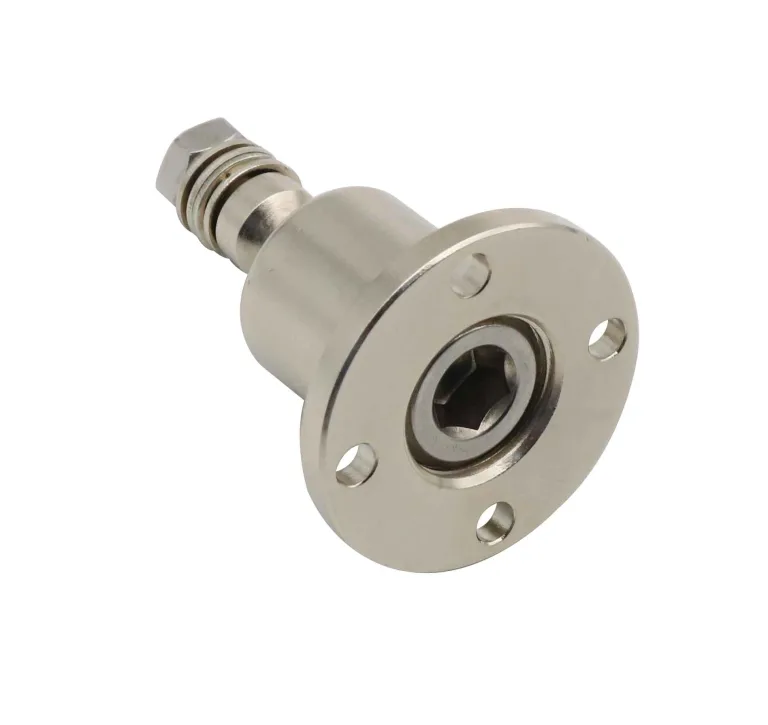
Iron Ball-Joint Torque Hinge | 360° Free-Stop | 1.0–3.0 N·m
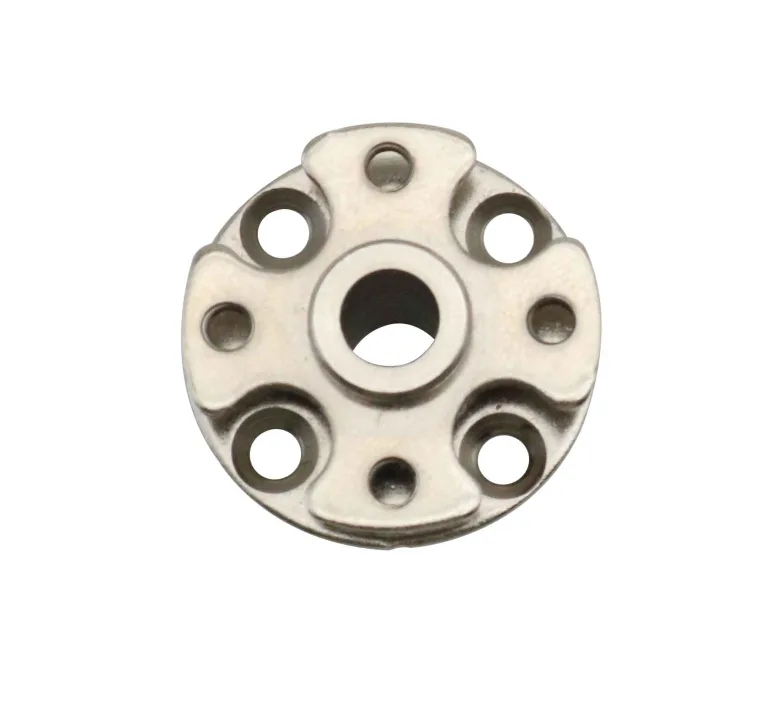
Carbon Steel Torque Hinge | 360° Free-Stop | 0.5 N·m
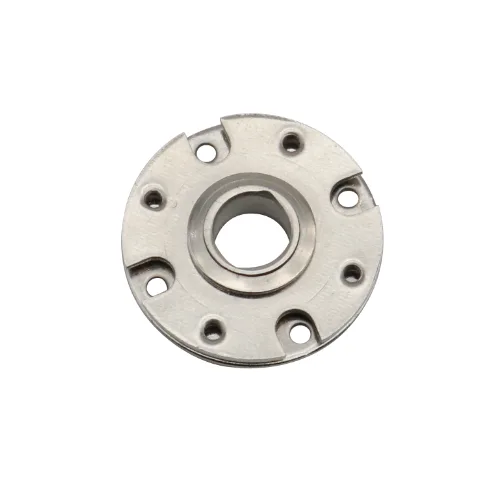
Iron Round-Disc Torque Hinge | 360° Free-Stop | 0.5–2.0 N·m
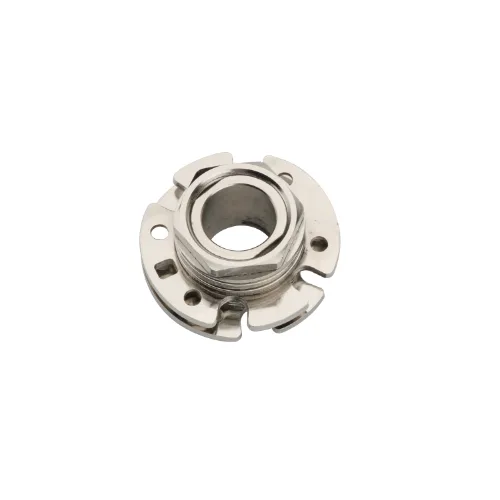
Iron Round Torque Hinge | 360° Free-Stop | Up to 15 N·m
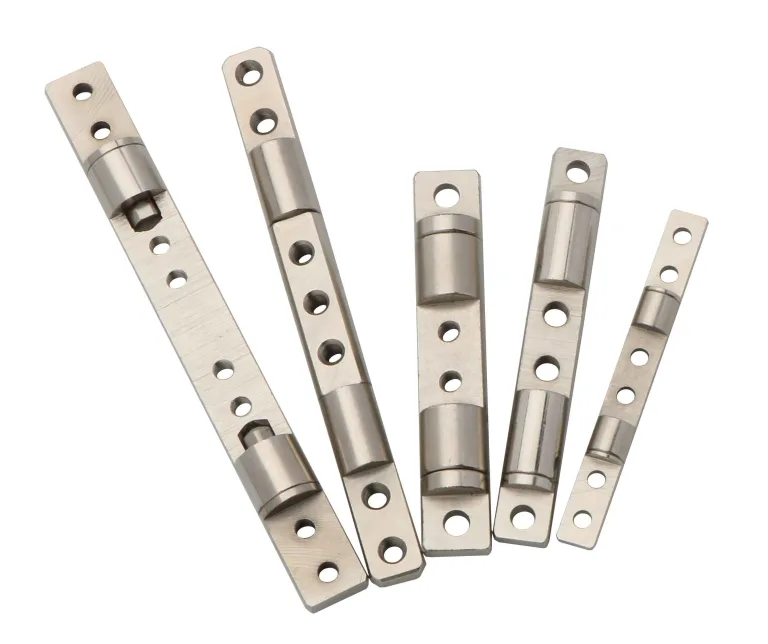
Dual-Axis Torque Hinge | Laptop Stand & Flip Device Mount
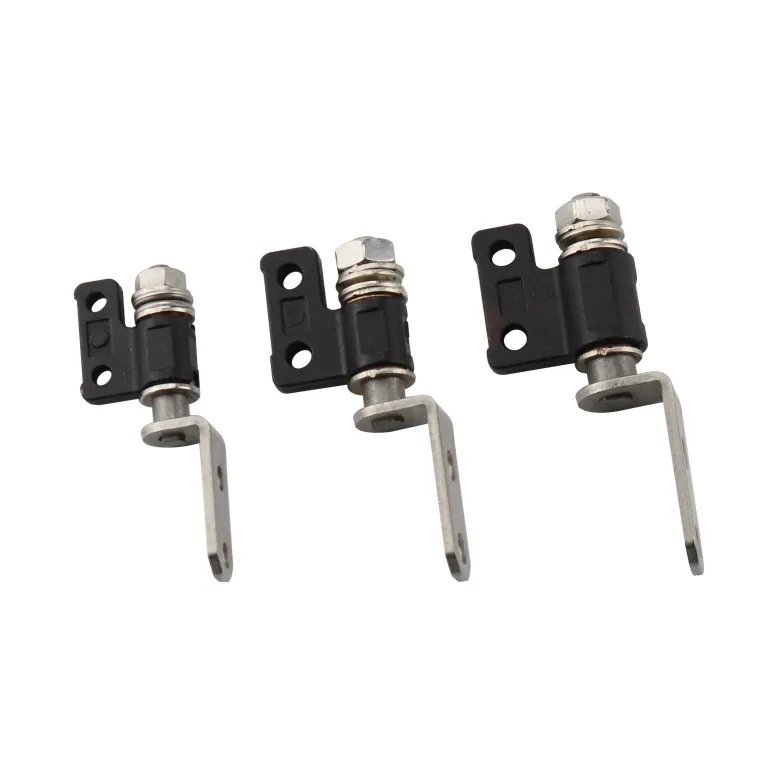
L-Shaped Zinc Alloy Torque Hinge | 360° Rotation | 0.7–1.4 N·m
360° swivel torque hinges are hinges that rotate 360° around their axis while holding position at any desired angle through an internal torque mechanism — the “free stop” feature that distinguishes torque hinges from standard rotation joints. Mounted from a single surface (no two-leaf assembly required), they are the standard solution for rotating displays, tablet stands, kiosk panels, camera mounts, and machine tool control panels. HSP manufactures 18+ swivel torque hinge models with torque ratings from 0.1 N·m to 15 N·m, in both adjustable and factory-calibrated configurations, with central cable-routing holes available on selected models.
For OEM design engineers integrating rotating screens, cameras, or panels into self-service terminals, medical equipment, surveillance systems, and broadcasting equipment, swivel torque hinge selection comes down to four factors: required holding torque, mounting space envelope, cable routing requirements, and rotation behavior (continuous 360° vs limited angle). Drawing on 10+ years of supplying precision torque hinge solutions to OEM customers across display, kiosk, surveillance, and industrial equipment sectors, our engineering team matches torque rating, mounting geometry, and cable-routing specification to the application — including custom configurations for OEM production.
What Is a Swivel Hinge?
A swivel hinge is a type of hinge that can rotate 360° around its axis. Unlike leaf-style hinges that pivot between two attached panels, swivel hinges have a single rotating axis and are mounted to one surface — making them ideal for applications where a screen, camera, or panel must rotate freely on a stand, bracket, or chassis.
What Is a Swivel Torque Hinge?
A swivel torque hinge adds an internal friction (torque) mechanism to the swivel hinge — allowing the hinge to hold its position at any angle along the rotation, rather than rotating freely. This “free stop” behavior is essential for rotating displays, adjustable monitor arms, surveillance cameras, and machine tool control panels, where the user expects the panel to stay where it was last placed without external locks or detents.
Swivel torque hinges are commonly specified in two configurations: fixed torque (factory-calibrated to a specific holding value) and adjustable torque (tunable via a set screw or adjustment nut after installation). Many models also feature a central cable-routing hole, allowing display cables, signal wires, or power leads to pass through the rotation axis without binding during motion.
- Torque range: Standard catalog models cover 0.1 N·m to 15 N·m. Selected models offer adjustable torque tuning within the rated range; others are factory-calibrated for production consistency.
- Rotation behavior: Continuous 360° rotation, limited-angle rotation (e.g., 90° or 180° stop), and dual-mode configurations are available across the range.
- Cable routing through the hinge: Selected models include a central hole from Φ10 mm to Φ32 mm — large enough to route display cables, USB cables, signal wires, or low-pressure pneumatic lines through the rotation axis. When selecting a cable-routing hinge, choose a hole diameter that comfortably accommodates the cable thickness with bend radius allowance.
- One-side mounting: Mounts onto a single flat surface using standard M3 or M4 bolts — no two-panel assembly required. Round mounting plates from Φ25 mm to Φ60 mm and rectangular plates (38 × 38 mm, 50 × 50 mm) are available.
- Low-profile thickness: Most models are under 25 mm in axial depth, suitable for behind-screen, behind-camera, and tight-chassis installations.
- Materials and finish: Carbon steel with nickel plating (standard) and eco-friendly nickel finish for general industrial and commercial use.
Common Applications
- Rotating displays and monitor mounts: Wall-mounted TV swivels, signage display brackets, and adjustable monitor arms where users rotate the screen for viewing angle.
- Self-service kiosks and ATMs: Rotating customer-facing displays, ticketing terminal screens, self-checkout panels, and dual-side terminals where the screen rotates between operator and customer.
- Surveillance cameras and pan-tilt mounts: Security camera dome bases, manual pan-tilt assemblies, and inspection camera rotation modules requiring damped motion.
- Machine tool control panels: Operator-facing HMI panels on CNC machines, industrial controllers, and inspection stations — where the panel rotates to suit operator position.
- POS terminals and tablet stands: Retail POS displays, restaurant order terminals, and tablet holders that rotate between cashier and customer views.
- Medical equipment rotation arms: Imaging display arms, bedside monitor swivels, and instrument cart rotation modules.
- Broadcasting and photography: Studio camera bases, lighting rig swivels, and live-streaming equipment turntables.
- 2-in-1 and convertible electronics: Foldable laptop screens, convertible tablet hinges, and adaptive display mechanisms.
- Commercial appliance panels: Coffee machine displays, printer operator interfaces, and rotating control panels on commercial equipment.
How to Choose a Swivel Torque Hinge
Swivel torque hinge selection balances four engineering inputs: holding torque, mounting space, cable routing, and rotation range. The starting point is the rotating mass and how far it extends from the rotation axis.
- Required holding torque: Calculate from rotating mass × offset distance from the axis. For typical monitors and tablets, 1–5 N·m is sufficient; for heavier displays and articulated arms, 5–15 N·m may be needed. A 1.5× safety factor is recommended.
- Fixed vs adjustable torque: Choose fixed for mass-production where every unit must feel the same; choose adjustable for industrial applications where load may vary or end-user tuning is needed.
- Cable routing through the hinge: If display cables, signal wires, or power leads must rotate with the screen, specify a model with a central hole. Choose a hole diameter that comfortably accommodates the cable bundle with bend radius allowance.
- Rotation range: Confirm whether the application needs continuous 360° rotation, limited-angle stops (90° / 180°), or specific position locks.
- Mounting plate geometry: Match the mounting plate diameter, bolt pattern (M3 / M4), and chassis cutout to the available installation space. Both round and rectangular mounting plates are available.
- Axial thickness: Behind-screen and behind-camera installations often have only 20–30 mm of clearance — confirm the unit thickness fits the chassis envelope.
Quality Verification
Each swivel torque hinge batch is validated through in-house torque calibration (verifying the rated friction value across the rotation range, not just at the starting position), fatigue cycle testing on dedicated rotary test rigs, 2D dimensional inspection of mounting plate dimensions and shaft concentricity, and salt spray testing where applicable. Rotary torque consistency is measured at multiple angle positions to confirm uniform friction across the full rotation.
Swivel Torque Hinges vs Leaf-Style Torque Hinges
Swivel torque hinges rotate 360° around a single axis and mount to one surface — the standard choice for rotating screens, cameras, and panels. Leaf-style adjustable and constant torque hinges pivot between two attached panels — the standard choice for opening lids, doors, and covers.
| Selection Factor | Swivel Torque Hinge | Leaf-Style Torque Hinge |
|---|---|---|
| Motion type | 360° rotation around axis | Panel pivoting between two surfaces |
| Mounting | One-side, single surface | Two-leaf, between two panels |
| Rotation range | Up to continuous 360° | Typically 90°–196° |
| Cable management | Cables route through central hole | Cables routed around the hinge |
| Typical use | Rotating displays, cameras, kiosks, control panels | Lids, doors, panels, covers |
| Torque range | 0.1 N·m to 15 N·m | 0.1 N·m to 25 N·m |
OEM Customization
HSP supports custom swivel torque hinge development for OEM production. Customers provide drawings, target torque values, or sample requirements; our engineering team confirms feasibility, prepares samples within approximately 10 working days, and supports volume production from 1,000 units MOQ. Custom mounting plate dimensions, bolt patterns, central hole sizes for cable routing, torque values, and surface finishes are all adjustable during the development phase.
Frequently Asked Questions
What is a swivel hinge?
A swivel hinge is a type of hinge that can rotate 360° around its axis. It is mounted to a single surface (unlike leaf-style hinges that connect two panels) and is used for rotating screens, cameras, and panels on stands, brackets, or chassis.
What is the difference between a swivel hinge and a swivel torque hinge?
A swivel hinge rotates 360° freely. A swivel torque hinge adds an internal torque mechanism, allowing the hinge to hold its position at any desired angle (free stop). Torque hinges are used where the screen or panel must stay where the user places it without rotating back.
Do you offer swivel hinges with cable routing through the hinge?
Yes. Selected models feature a central hole from Φ10 mm to Φ32 mm, allowing display cables, signal wires, or power leads to route through the rotation axis. When selecting, choose a hole diameter that comfortably accommodates the cable bundle thickness with bend radius allowance.
What torque range is available?
Standard catalog models cover 0.1 N·m to 15 N·m. Both fixed-torque (factory calibrated) and adjustable-torque (set-screw tuning) configurations are available, with custom torque values supported for OEM orders.
When should I choose a swivel hinge instead of a leaf-style hinge?
Choose a swivel hinge when the application needs 360° rotation around a single axis — rotating displays, cameras, kiosks, control panels. Choose a leaf-style torque hinge when the application needs panel pivoting between two surfaces — lids, doors, covers.
Can I customize a swivel torque hinge for my product?
Yes. Customers provide drawings or sample requirements; samples are typically prepared within 10 working days. Production MOQ starts from 1,000 units. Custom mounting plate dimensions, bolt patterns, central hole sizes, and torque values are all adjustable.
Can you recommend a swivel torque hinge based on my application?
Yes. Please provide rotating mass, distance from rotation axis, required rotation range, cable routing requirements, available mounting space, and expected cycle count. We can recommend a standard model or develop a custom solution. Contact our engineering team for technical support.