문의 양식

Machine Guard & Access Door Hinge Solutions

Machine guard and service-door hinges should be selected from the way the door is used in the machine. Door mass, removal needs, opening clearance, mounting structure and return behavior can change which hinge family should enter the comparison first.

Start with the door’s job, then confirm the installed geometry before comparing individual hinge models.

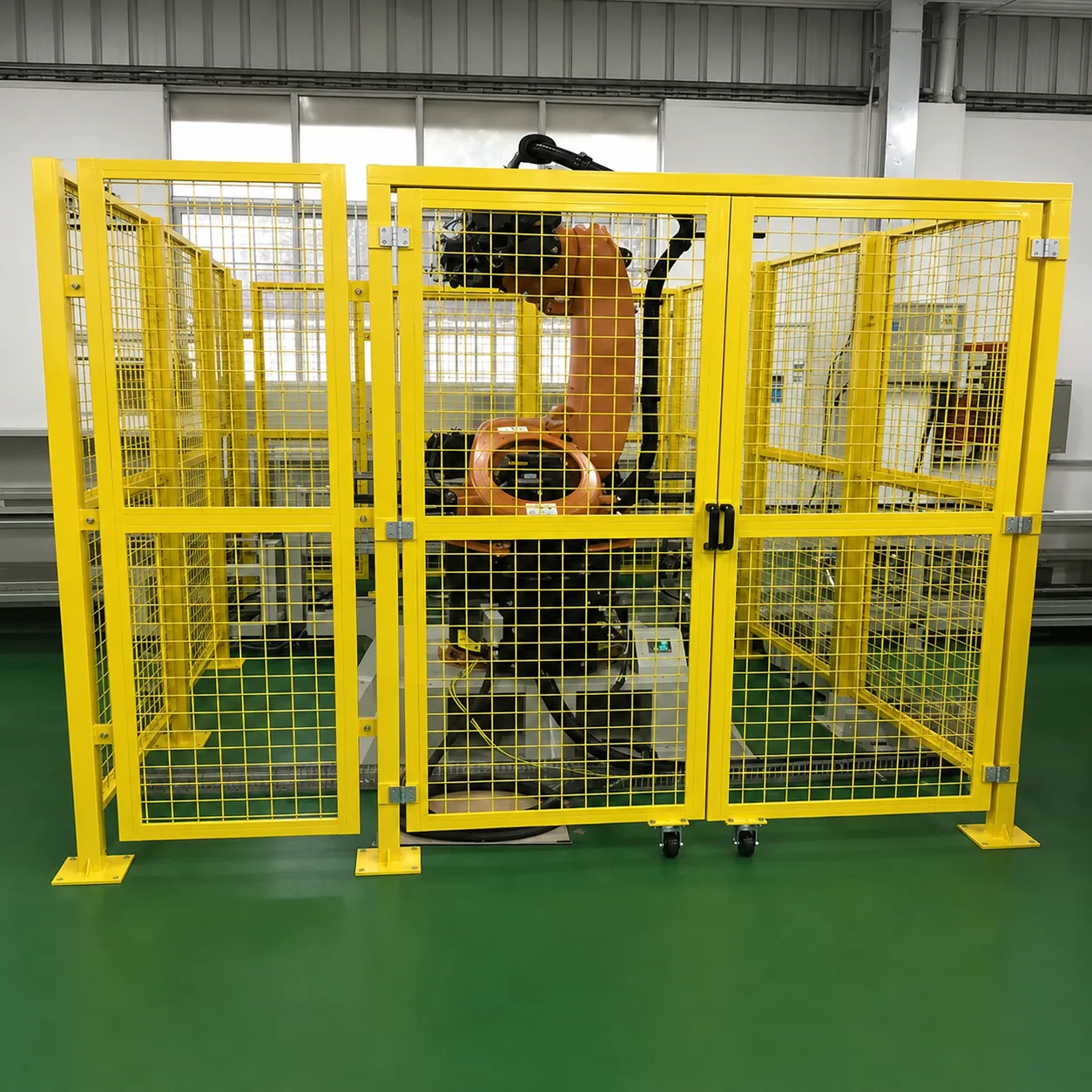
Robot cell machine guard with framed access doors and visible hinge sides

Choose the Hinge by the Door’s Job

Begin with the required door behavior and service task. These conditions help narrow the hinge family before individual models are compared.

Standard machine access door

Start with Industrial Hinges

For a conventional free-swing service door, begin with the available mounting space, door and frame geometry, opening angle and expected access frequency.

Heavy or wide machine guard door

Compare Heavy-Duty Hinges

Door width, complete moving mass and hardware mounted away from the hinge axis increase the reaction carried by the hinge-side structure.

Door or panel must be removed for maintenance

Compare Lift-Off Hinges

A lift-off arrangement can simplify maintenance when the complete door or panel must come away from the machine without dismantling the frame-side hinge attachment.

Fabricated machine frame with permanent attachment

Compare Weld-On Hinges

Weld-on hinges can suit fabricated steel frames when the manufacturing route supports controlled attachment and later hinge removal is not required.

Guard door should return toward closed

Compare Spring Hinges

A spring hinge can provide a defined return tendency when that motion is required by the door design.

The hinge is only one part of the complete guard, latch, interlock and machine safety system.

Exterior hinge projection should be minimized

Compare Concealed Hinges

A concealed hinge arrangement may suit machine doors where external projection, operator contact or the surrounding machine profile limits exposed hardware.

Access panel must remain at a selected angle

Compare Torque Hinges

Use torque hinges only when the moving panel or cover must hold position. A normal machine guard door that simply opens and closes should remain on the standard hinge route.

HSP Hinge Routes for Machine Access

Compare the product family that matches the door load, removal method, attachment route or required return behavior. Final model selection still depends on the installed door interface.

Heavy-duty industrial hinge for machine guard doors

튼튼한 경첩

For wider or higher-moment guard doors where both the hinge and supporting machine frame must carry greater reaction loads.

Explore Heavy-Duty Hinges
Lift-off hinge for removable machine access panels

리프트오프 경첩

For maintenance doors and access panels that need to be removed without dismantling the frame-side hinge attachment.

Explore Lift-Off Hinges
Weld-on machine hinge for fabricated equipment frames

용접식 경첩

For fabricated equipment frames where permanent welded attachment fits the manufacturing and service strategy.

Explore Weld-On Hinges
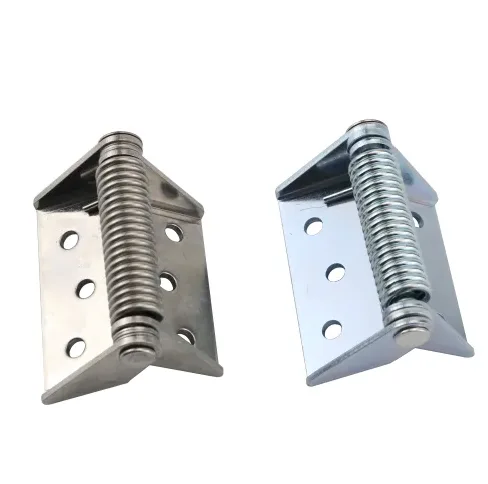
Spring hinge for self-returning machine guard doors

스프링 경첩

For doors that require a defined return tendency as part of the door-motion design.

Explore Spring Hinges

Also consider:

숨겨진 경첩

When external projection or exposed hinge hardware should be minimized.

토크 힌지

When a service cover or inspection panel must remain at a selected position.

산업용 경첩

For conventional free-swing machine doors without a special removal, return or position-holding requirement.

Check the Installed Door Interface

The hinge must work with the door edge, frame and available mounting structure. Before a model is selected, check the installed interface rather than the hinge in isolation.

경첩축

Multiple hinges must work on a common axis so the door can move without binding.

Frame support

The hinge can only remain stable if the supporting frame or panel provides a suitable mounting interface.

Opening clearance

Confirm that the door clears nearby guarding, equipment and surrounding structure through the required opening path.

Common Machine Access Configurations

Machine Guard Doors

Opening clearance, complete door mass and the required return behavior usually determine the first hinge route. Repeated access also makes consistent movement and inspection access more important.

Maintenance & Service Doors

Maintenance frequency, door-mounted hardware and the space available beside the machine can change whether a standard, heavy-duty or removable hinge arrangement is more practical.

Removable Access Panels

When the full panel must come off, confirm the lift-off direction, removal clearance and the way the removed door or panel will be handled during service.

Inspection Covers & Small Service Panels

Compact covers and small service panels may have limited mounting space. Torque hinges belong in the comparison only when the cover or panel must remain at a selected angle.

What to Confirm Before Selecting a Model

Provide the available door, movement, mounting and service data so the supplier can confirm the appropriate hinge family and model against the intended machine interface.

Door

  • 너비와 높이
  • 총 이동 중량
  • Door-mounted equipment
  • Center of gravity where known

운동

  • 필요한 개방 각도
  • Free swing / self-return / hold position
  • Whether complete removal is required

마운팅

  • Frame or panel structure
  • 사용 가능한 힌지 범위
  • Bolt / stud / weld access
  • Door and frame clearance

서비스

  • Access frequency
  • 제거 방법
  • 대체 접근 권한
  • Nearby guarding or equipment

Confirm the selected hinge against the released machine frame, door geometry and mounting interface before sampling.

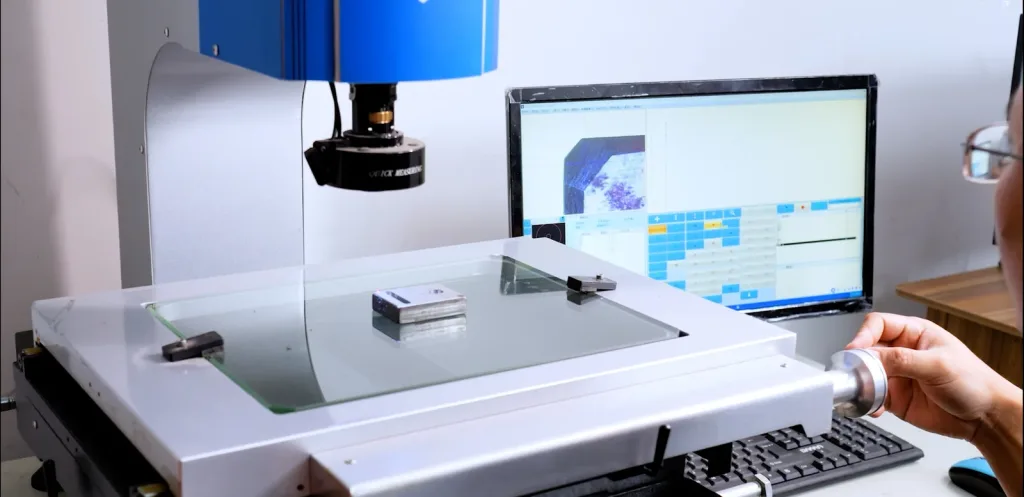
2D 광학 검사 시스템을 사용하여 힌지 부품을 측정하고 있는 HSP 기술자

Engineering Review for Machine Door Projects

HSP can review the door geometry, mounting structure, movement requirement and service method before an individual hinge model is released for sampling.

An initial review can begin with the machine frame drawing, door dimensions and intended access sequence. Final confirmation should use the released mounting interface and installed-door details.

  • Door and frame interface review
  • Hinge family selection
  • 도면 / 샘플 확인
  • Project-specific verification where required

Related Engineering References

Send Your Machine Door Details

For an initial hinge review, send the door information already available from the machine layout or drawing.

Helpful details:

  • Door or panel size
  • 대략적인 운송 중량
  • Frame or panel structure
  • 필요한 개방 각도
  • 문을 분리할 수 있어야 하는지 여부
  • Whether self-return or position holding is required
  • Drawing or photo if available

Complete project data is not required for an initial review.

지원서 세부 정보 보내기

가능한 경우 문 크기, 무게, 개방 각도, 설치 환경 또는 장착 관련 세부 사항을 모두 기재해 주십시오. 도면이 있다면 첨부해 주시면 도움이 됩니다.

힌지 적용 / 선정 요청