-
+86 13720060320
-
lanna@haitangs.com

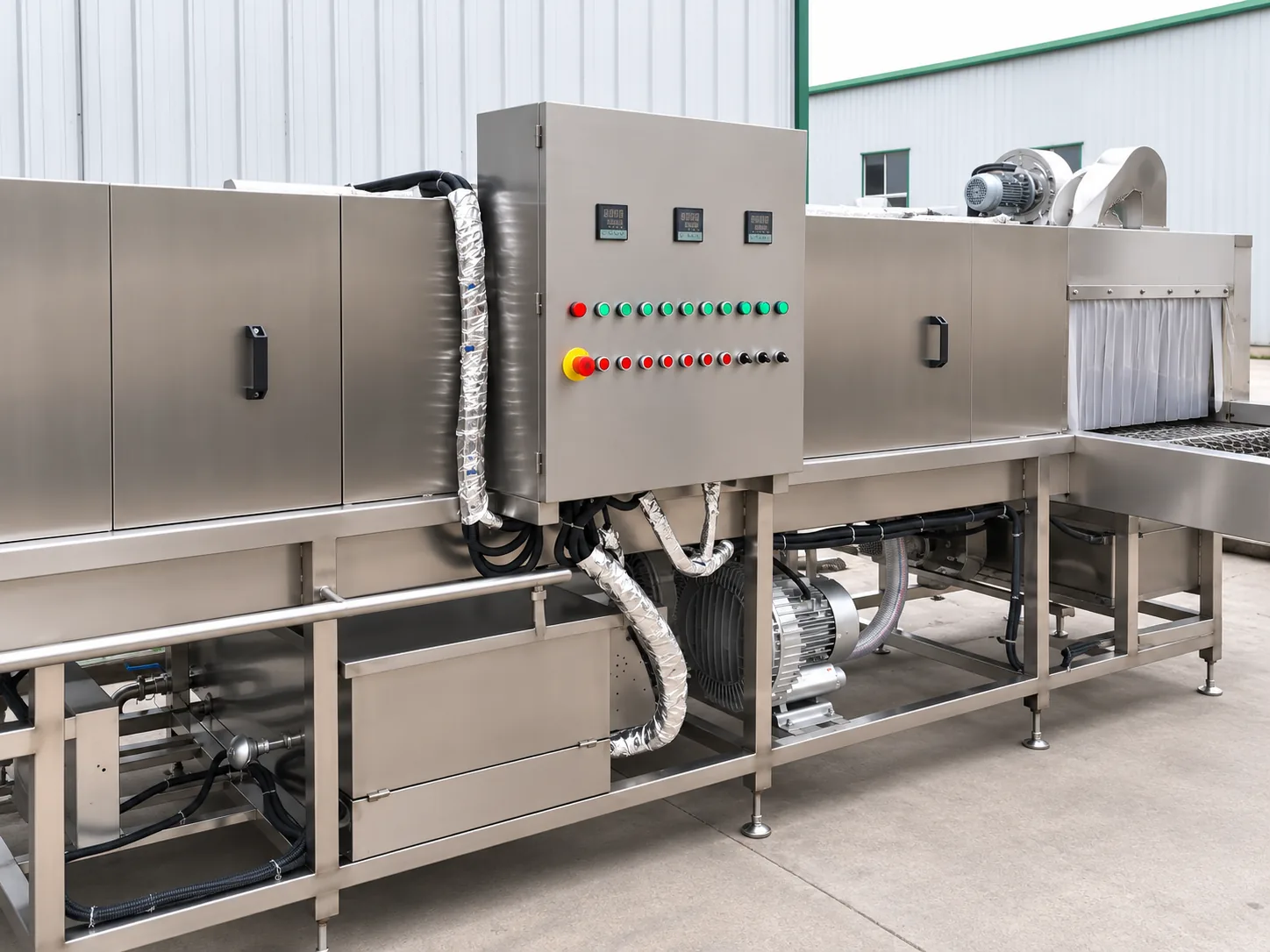
Food Processing & Washdown Equipment Hinge Solutions
Compare removable, concealed, weld-on and heavy-duty hinge routes for stainless food machinery, washdown access panels and service doors.
Start with the cleaning process, door function and mounting interface, then send available drawings for application review.
Cleaning routineDoor functionMounting interfaceHinge familySample confirmation
Choose by Cleaning and Service Workflow
The practical starting point is how the panel is cleaned, opened and removed in the installed equipment—not the hinge model name.
01
Panel removed for cleaning
Start withLift-Off & Flag Hinges
Check firstRemoval direction, lift clearance, handing and safe panel handling.
02
Exterior hardware kept clear
Start withConcealed Hinges
Check firstInternal envelope, return flange, gasket sweep and tool access.
03
Permanent metal-door joint
Start withStainless Weld-On Hinges
Check firstBase material, weld access, heat distortion and finishing sequence.
04
Large or equipment-loaded door
Start withHeavy-Duty Hinges
Check firstComplete moving weight, center of gravity, door structure and mounting pitch.
Washdown Equipment Access Map
One machine can contain several door duties. Mark each access point on the assembly drawing so the hinge route follows the actual cleaning and service task.
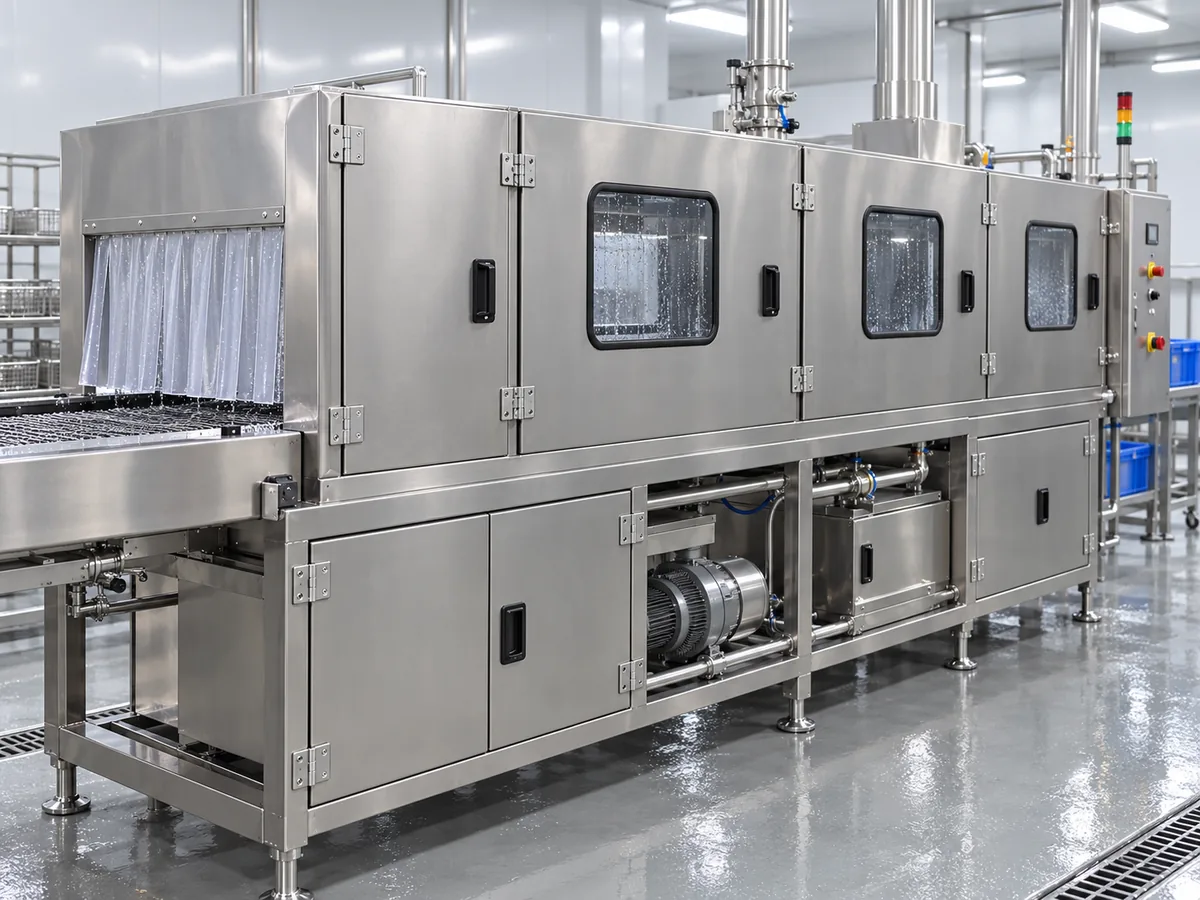
Removable Upper Cover
Compare lift-off direction and the clearance available to raise the cover during sanitation or planned service.
Retained Service Door
Compare the open-door envelope, latch and gasket movement, plus how the hinge mounts to the return flange.
Lower Inspection Panel
Confirm floor clearance, fastener or weld access and whether the panel must be fully removed.
Loaded Main Door
Use the complete moving assembly, including components fixed to the door, when comparing the hinge family.
Hinge Routes for Food & Washdown Equipment
Compare the route that fits the installed door task, then use dimensions and drawings to narrow the individual model.
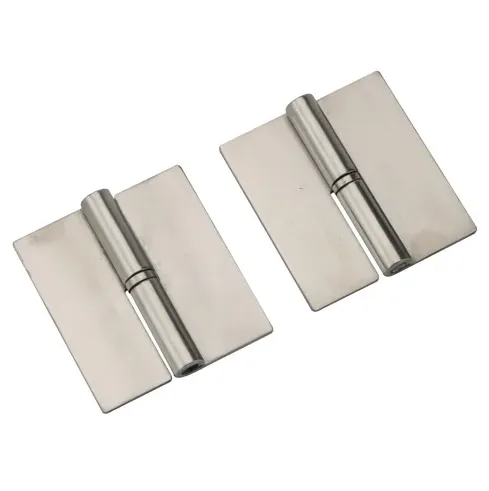
Lift-Off & Flag Hinges
Best when: a cover or access panel must be removed for cleaning or maintenance without releasing fasteners from both hinge leaves.
- Handing and removal direction
- Vertical lift clearance
- Door handling after removal
- Mounting space at the frame
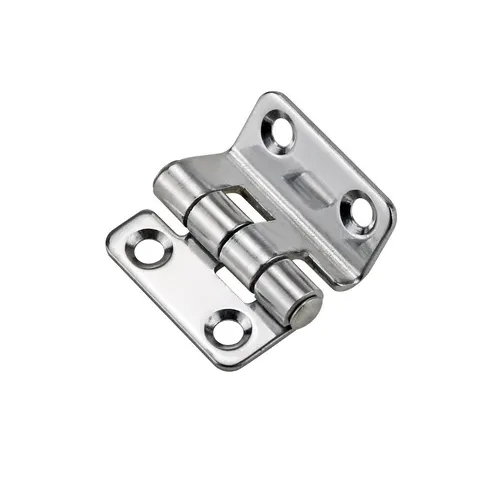
Concealed Hinges
Best when: external hinge projection should be reduced and the enclosure has enough internal space for the hinge mechanism.
- Internal mounting envelope
- Return flange geometry
- Opening angle and door sweep
- Gasket and tool clearance
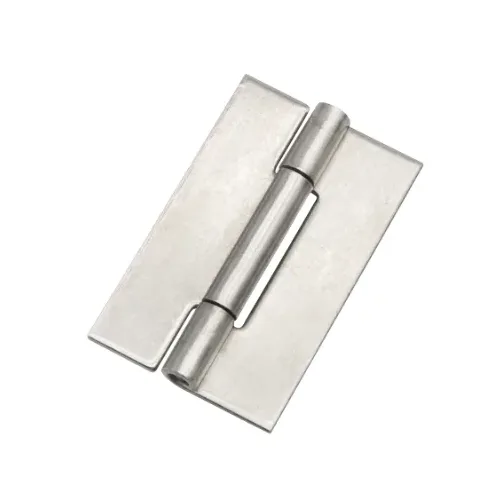
Stainless Weld-On Hinges
Best when: the hinge will be permanently joined to a compatible metal door and frame and the welding process is part of fabrication.
- Door and frame base material
- Weld access and sequence
- Heat distortion control
- Post-weld finishing access
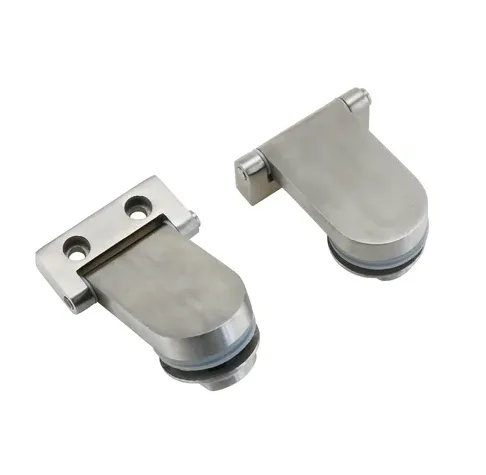
Heavy-Duty Hinges
Best when: door size, complete moving weight or equipment mounted to the door moves the project beyond a lighter cabinet hinge comparison.
- Complete moving weight
- Center of gravity from the hinge axis
- Door and frame stiffness
- Mounting pitch and reinforcement
Need a different mounting interface? Include the door section with your RFQ.
What HSP Can Review Before You Order
Start with an existing hinge family where the interface fits, or send the available door section and equipment details for review before sampling.
Existing Hinge Options
Start with an existing Lift-Off, Concealed, Weld-On or Heavy-Duty hinge when the mounting interface and door duty already fit the application.
Browse Industrial HingesDrawing Interface Review
Send the door section, frame return, mounting pattern or assembly drawing when clearance, removal direction or mounting geometry needs to be checked.
Engineering & R&DSample Before Production
Confirm installation, opening clearance, removal direction and service access on the actual equipment before production release.
Compare Hinge Routes Before RFQ
Use this as a first comparison before individual hinge dimensions are reviewed.
| Door requirement | Likely starting route | Information to send | Installation point to verify |
|---|---|---|---|
| Panel removed during cleaning | Lift-Off & Flag | Handing, removal direction, panel size and available lift clearance | Clear path to lift and handle the panel |
| Retained door with low external projection | Concealed | Section view, return flange, opening angle and gasket location | Internal packaging space and door sweep |
| Permanent joint on metal fabrication | Stainless Weld-On | Base material, leaf geometry, weld access and finish sequence | Heat input, distortion and post-weld access |
| Large or equipment-loaded access door | Heavy-Duty | Door size, complete moving weight, center of gravity and mounting structure | Frame stiffness, reinforcement and mounting pitch |
What Changes the Hinge Selection
Small differences in the installed assembly can change which family belongs in the comparison.
Cleaning and Exposure
Identify how the area is cleaned, which surfaces are directly exposed and whether residue can collect around the hinge mounting zone. Use the actual cleaning condition rather than a general equipment label.
Removal Workflow
State whether the door remains attached, is lifted away regularly or is only removed during major service.
Mounting Interface
Show door and frame material, return flanges, reinforcement, fastener access and any planned weld sequence.
Door Load and Geometry
Provide the complete moving weight, door dimensions and the location of components mounted to the door. The distance from the hinge axis to the moving center of gravity matters to the installed load case.
From Drawing Review to Quote and Sample
A practical procurement path keeps the equipment interface visible at every decision.
Application Review
Confirm cleaning access, door behavior, removal requirement and the preferred mounting route.
Drawing Check
Review the door section, frame interface, clearances, gasket path and complete moving assembly.
Hinge Route Comparison
Compare the relevant family and mounting concept before narrowing individual models.
Quote / Sample
Use the selected route and confirmed interface to prepare the sample or quotation discussion.
Engineering Review Before Production
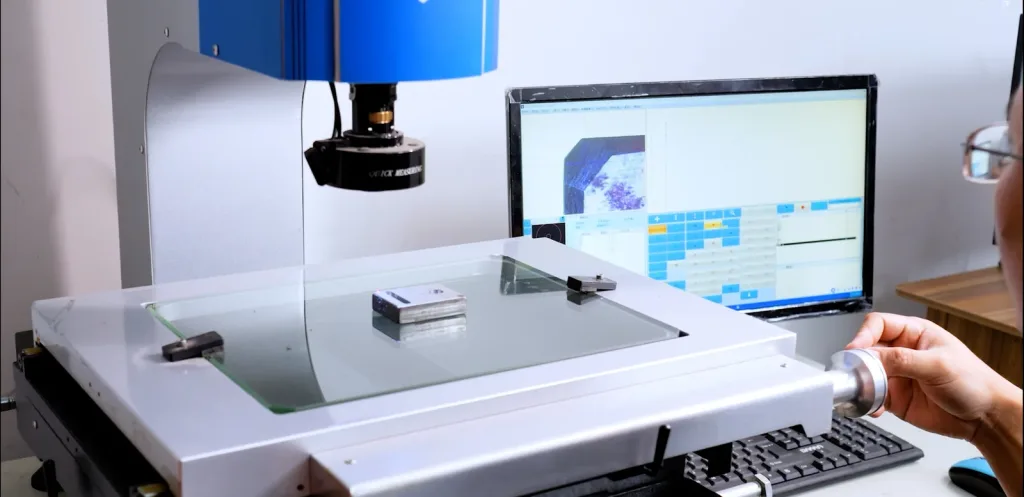
HSP reviews door geometry, movement, mounting interface and available service clearance before production details are confirmed. An assembly drawing makes it easier to compare the hinge route against the actual equipment.
Drawings and samples can be checked against the requested interface before the final hinge model is confirmed.
Send Your Food Equipment Door or Panel Details
A complete drawing is not required for the first review. If project data is incomplete, send the available door dimensions, equipment photos, current hinge interface or assembly drawing first.
- Equipment Type
- Door / Panel Size
- Approx. Moving Weight
- Cleaning / Washdown Condition
- Must the Door Be Removable?
- Mounting Method
- Material Preference
- Drawing available? Mention it in Project Details.
Application Details
Include the information available at this stage. Complete project data is not required for the first comparison.