-
+86 13720060320
-
lanna@haitangs.com

Blog
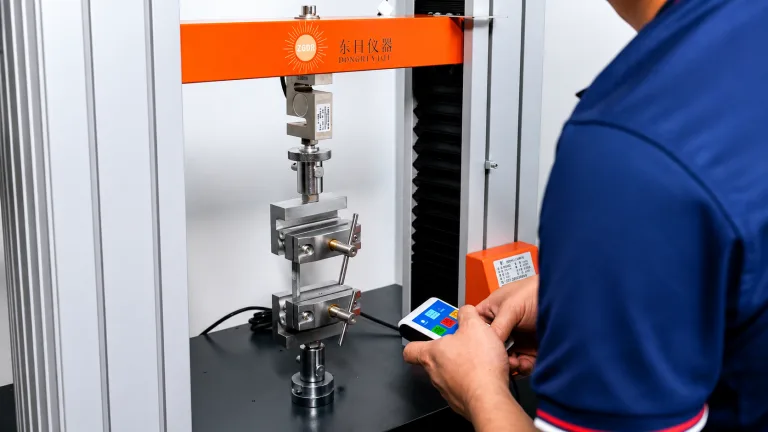
Hinge Static Load Testing: Proof Load, Permanent Set and Acceptance Criteria
A hinge can survive a high static force and still be unsuitable for the application. The leaf may take a permanent set. Mounting holes may slip. A pin or retainer may move.…
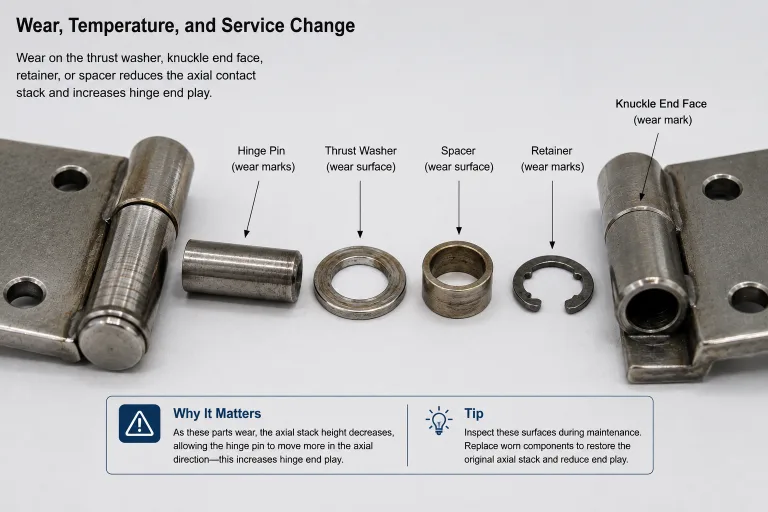
Hinge End Play: Axial Movement, Thrust Control and Measurement
A hinge can rotate freely, pass its pin-diameter inspection, and still move in a direction the drawing never controlled. Push one leaf along the pin axis, pull it back, and the assembly…
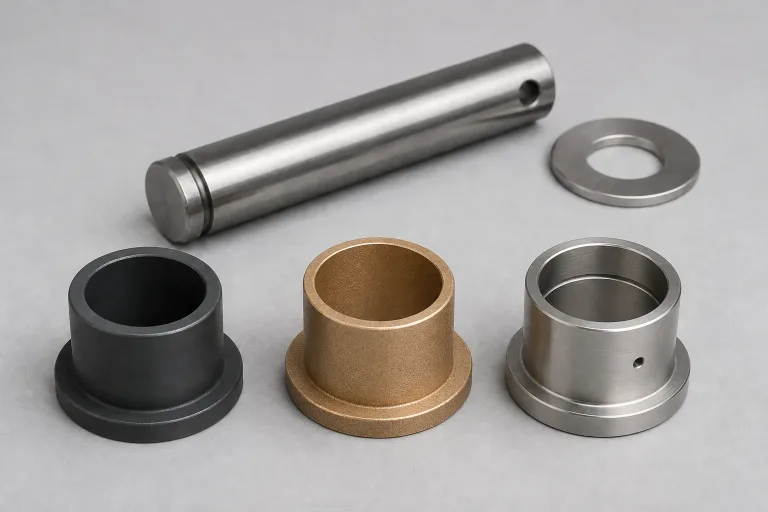
How to Choose Industrial Hinge Bushings by Material and Lubrication
A dry polymer bushing can make an industrial hinge quiet and easy to service. The same bushing can tighten after installation if a thin housing closes around the press fit or the…
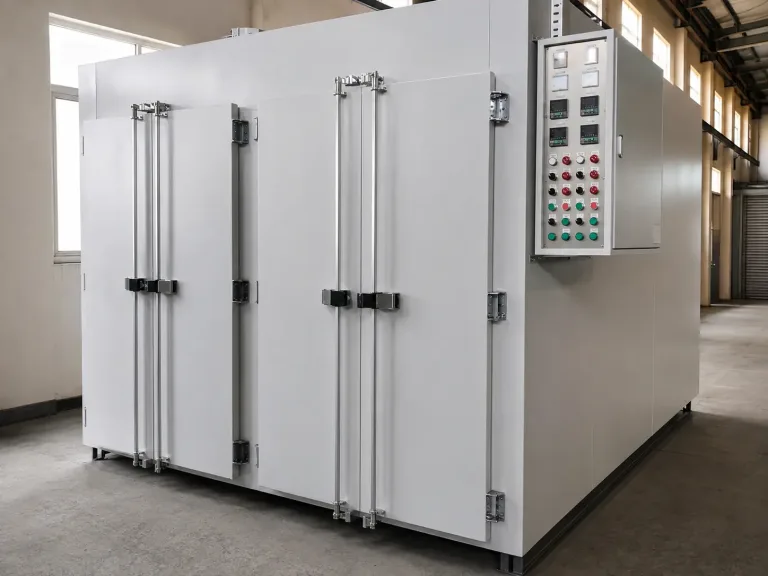
Industrial Oven Door Hinges: High-Temperature Selection Guide
An oven drawing states the process setpoint. A hinge quotation says “high temperature.” Neither statement identifies what the pin, bushing, lubricant, retainer, fasteners, or mounting brackets actually experience. During closed dwell, insulation…
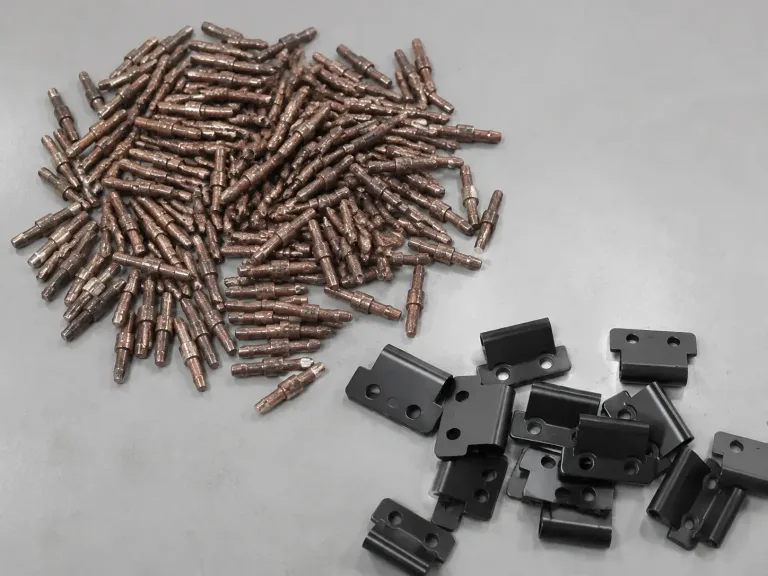
Hinge Pin Clearance: Fit, Tolerance and Binding Risk
A hinge pin can pass its diameter inspection and still bind after finishing, heating, or final assembly. The opposite failure is also possible: the joint rotates freely, but an oversized gap lets…
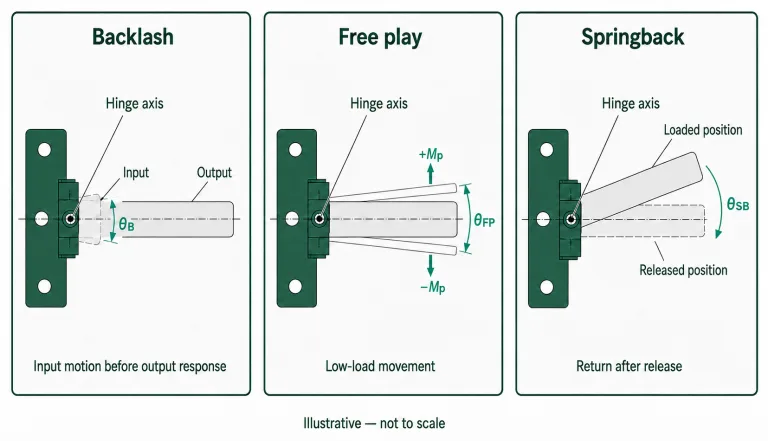
Torque Hinge Backlash, Free Play and Springback
A torque hinge can meet its nominal torque specification and still leave a display, lid, or control panel feeling imprecise. The operator stops at the intended angle, releases the panel, and sees…
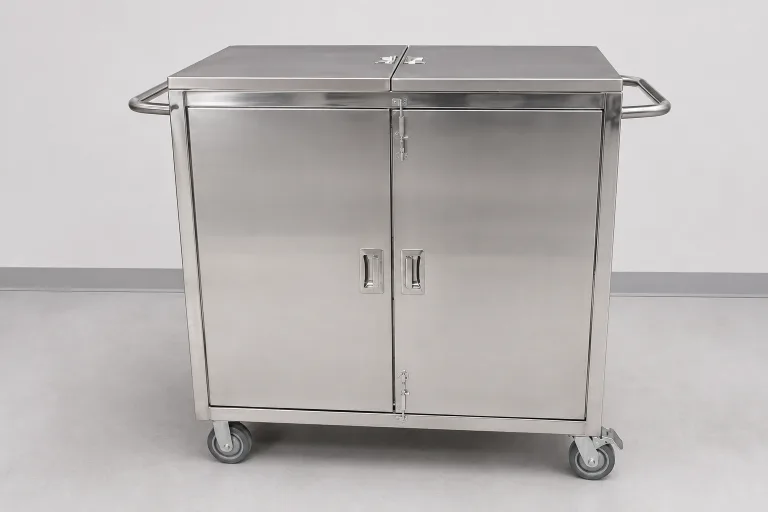
Medical Cart Hinges: OEM Selection Guide
A hinge can work perfectly while a medical cart is parked and still become the wrong hinge after the cart is loaded, rolled across a threshold, wiped with the specified disinfectant, and…
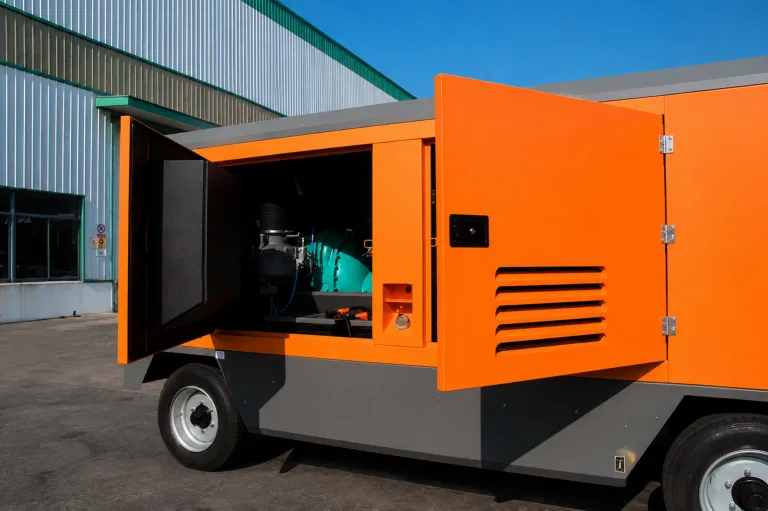
How to Select Vehicle Compartment Door Hinges for Trucks, Trailers, and Mobile Equipment
A compartment door can close cleanly during assembly and start rubbing, leaking, or rattling after the truck, trailer, or mobile equipment enters service. The hinge may not be broken. The body, trailer…
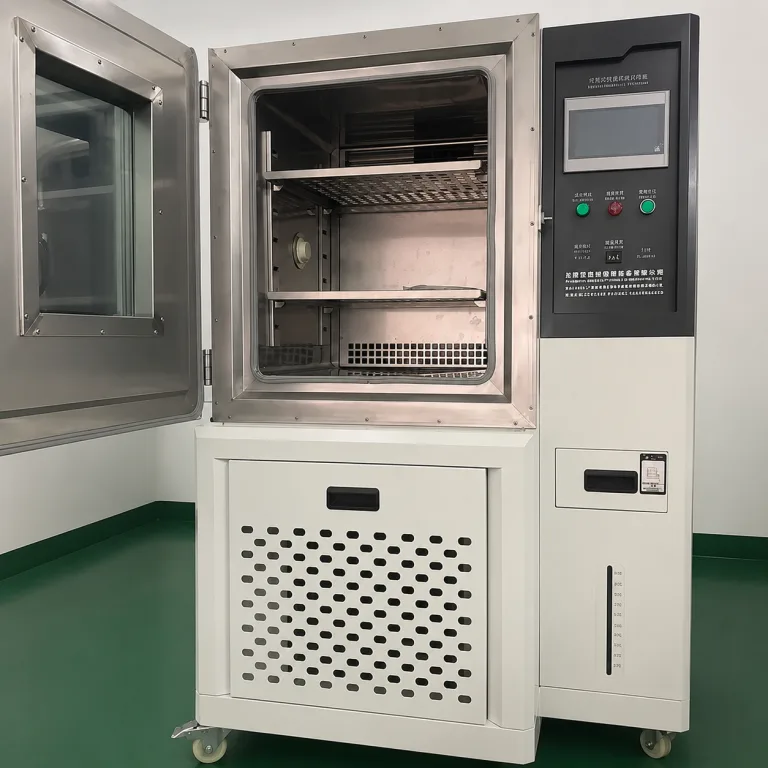
How to Select Environmental Test Chamber Hinges for Sealed Doors
An environmental test chamber door can seal at room temperature and still lose compression after the chamber reaches its operating condition. The hinge may be strong enough. The latch may still close.…
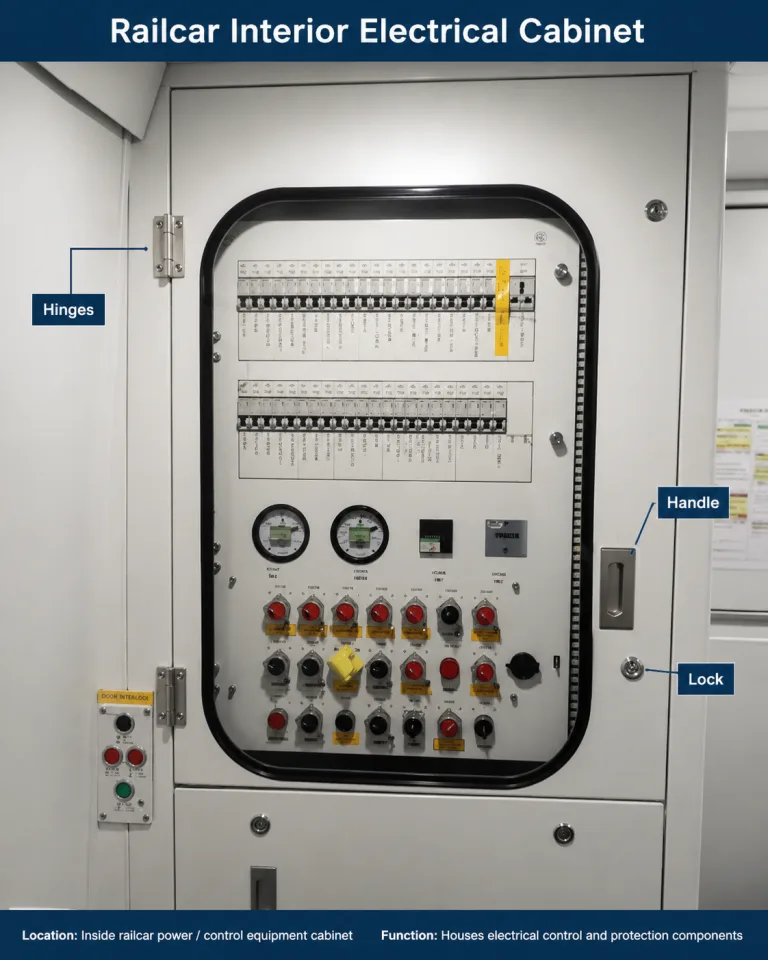
How to Select Railcar Door Hinges for Access Panels and Service Doors
A railcar door can fit its opening, latch correctly in the workshop, and still damage the hinge joint after the vehicle enters service. Static door weight is only the starting condition. During…
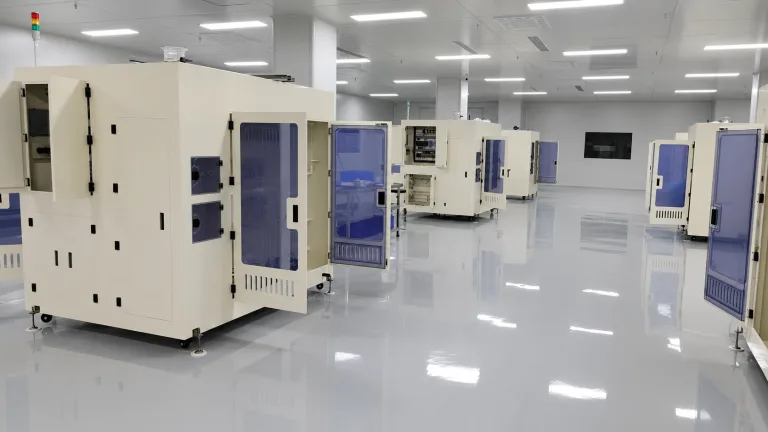
How to Select a Clean Room Hinge for Semiconductor Equipment
A clean room hinge can carry the door, fit the drawing, and still create the wrong contamination path. The rotating joint may generate wear debris, move lubricant toward an exposed edge, shed…
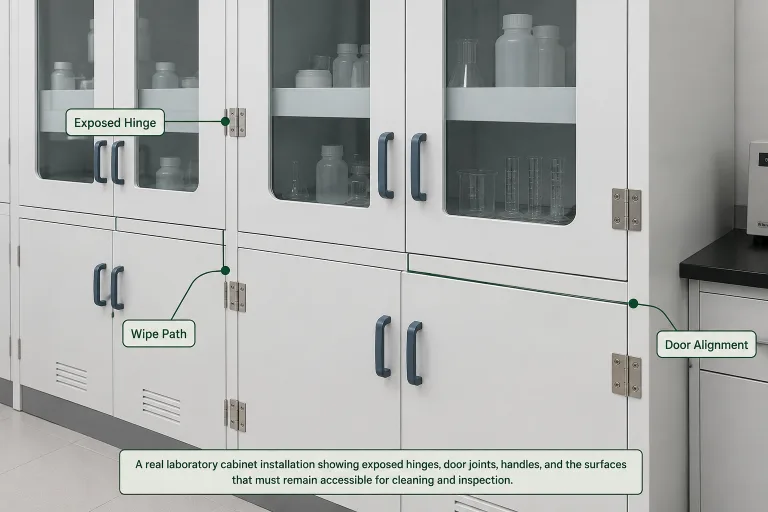
How to Select Laboratory Cabinet Hinges for Cleaning and Service Access
A laboratory cabinet hinge can be corrosion-resistant and still create a poor cleaning and service detail. The joint may leave a narrow unwiped strip behind the leaf, retain liquid around a screw…