Sample text
- +86 13720060320
- lanna@haitangs.com

Adjustable Torque Hinge 0.1–1.5 N·m | 304 Stainless Steel
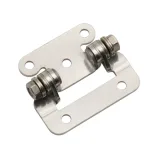
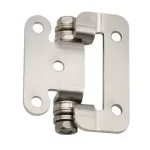
PRODUCT PARAMETERS
Description
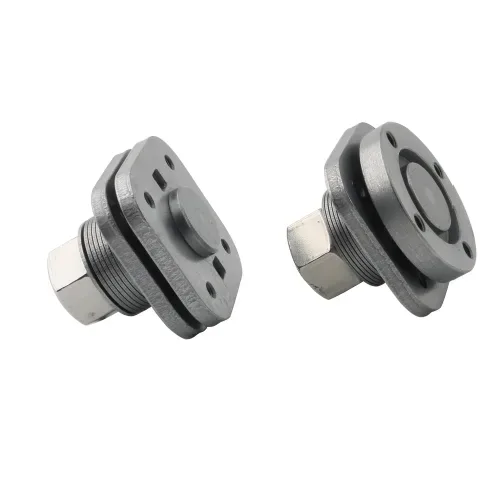
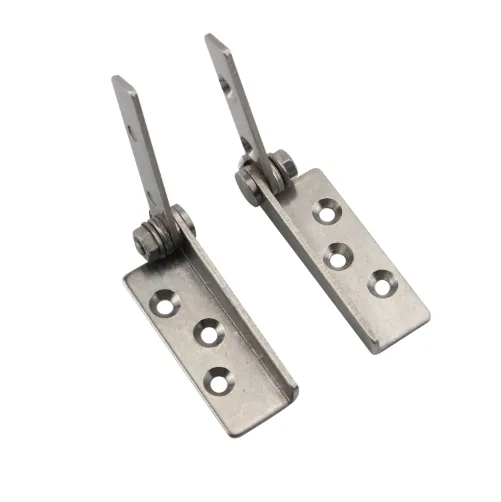
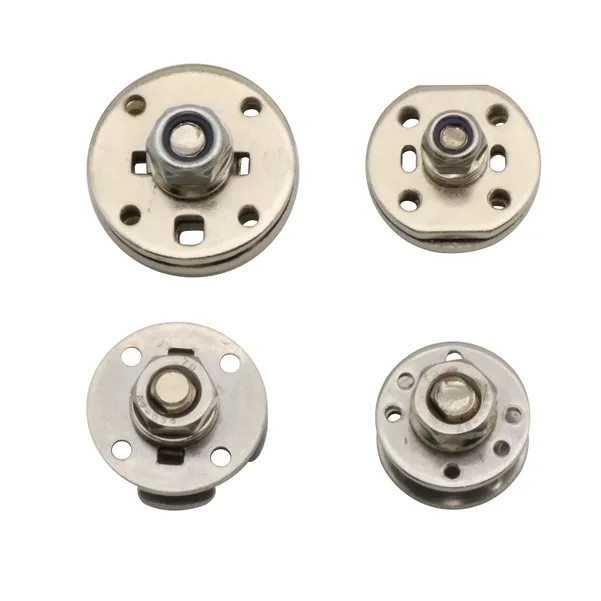
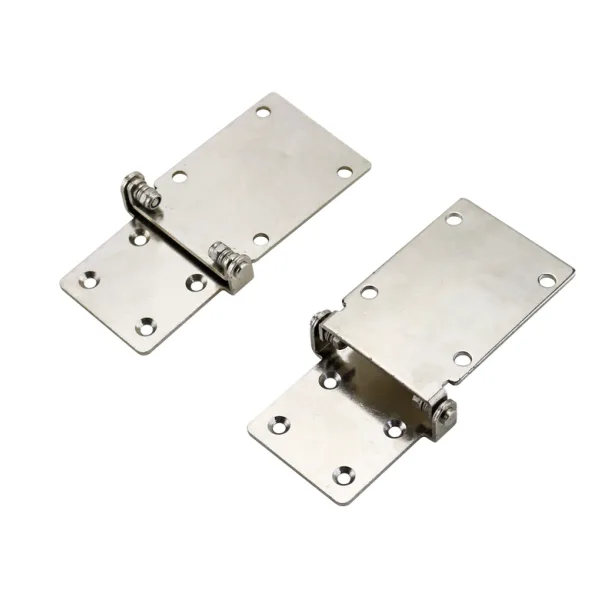
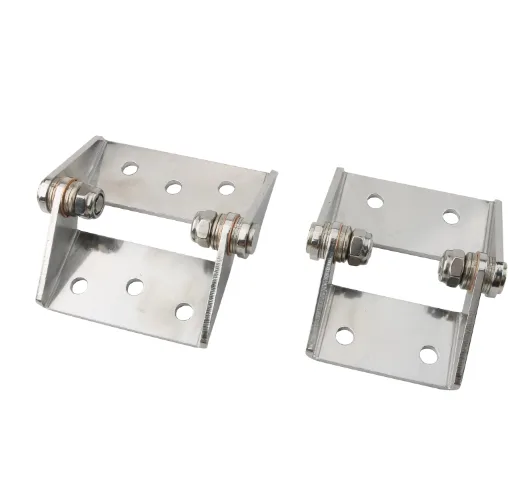
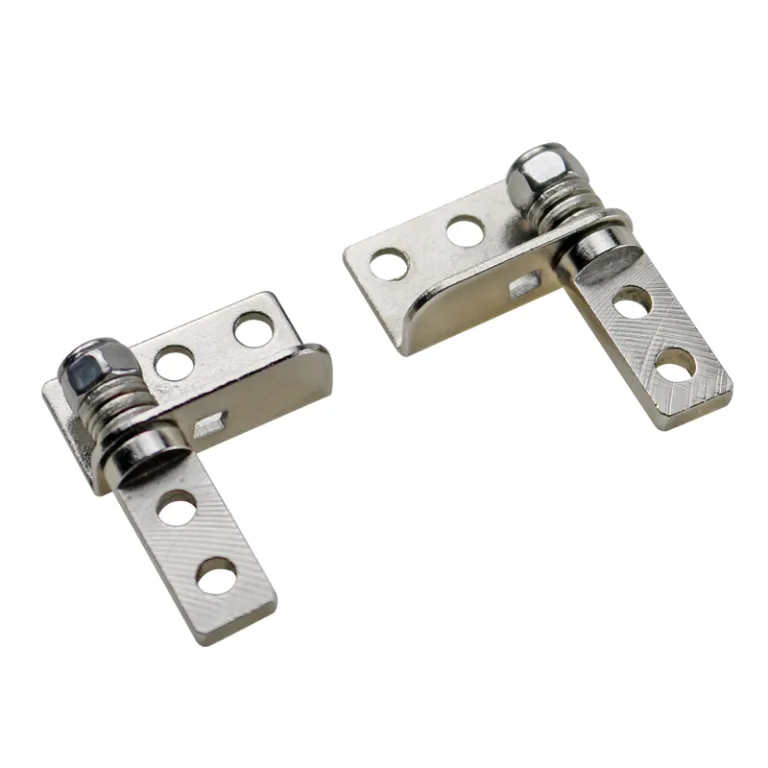
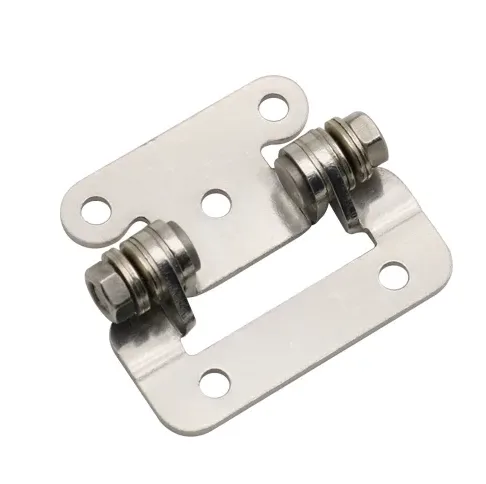
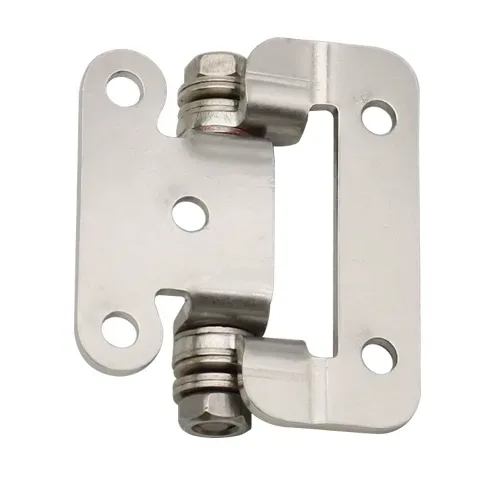
Adjustable Torque Hinge,Crafted from brushed 304 stainless steel, this hinge offers precise torque adjustment (Small: 0.1–0.8 N·m, Large: 0.1–1.5 N·m) and stable positioning through 180°. Ideal for demanding applications requiring smooth, controlled motion and long-term reliability: medical displays, control panels, instrument covers, communication enclosures, industrial equipment, and transportation systems. Perfect for situations where accurate angles and frequent adjustment matter.
Dimension Drawing
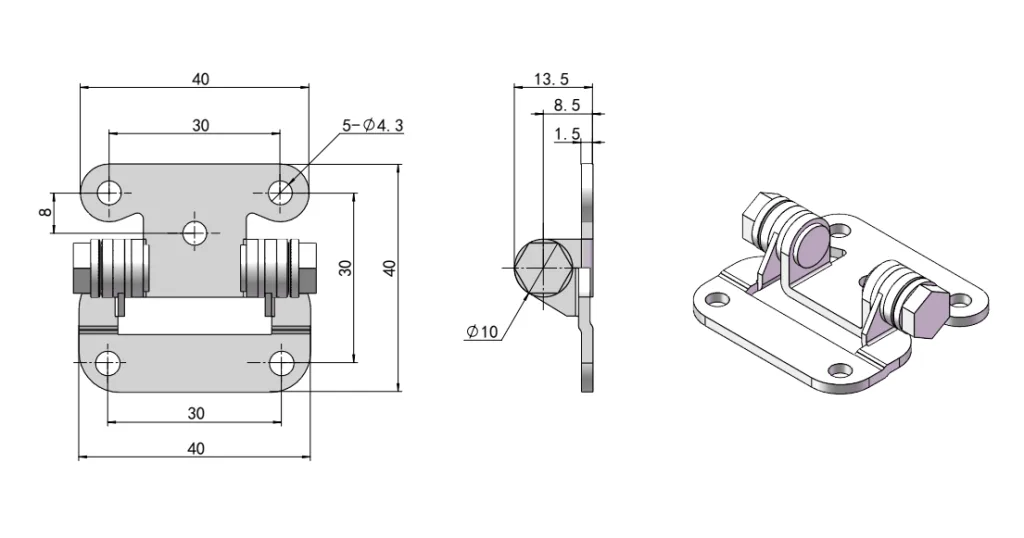
HG11-108-8
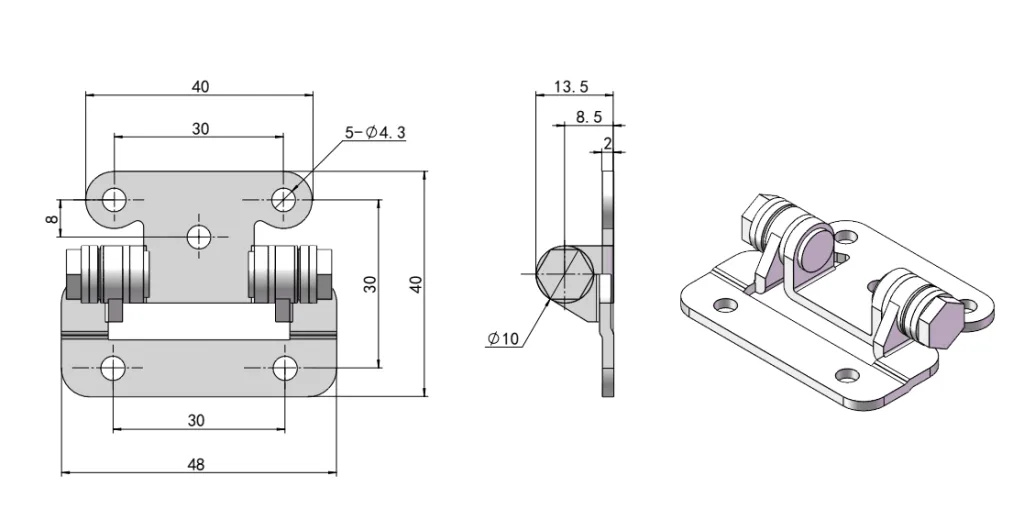
HG11-108-15
| Code | Part Number | Material | Surface Finish | Torque (N·m) |
| HG11-108 | HG11-108-15 | SUS304 | Vibrated Finish | 0.1-1.5 N·m |
| HG11-108-8 | 0.1-0.8 N·m |
FAQ
What applications is this adjustable torque hinge best suited for?
Primarily, it supports medical displays, control panels, and instrument covers. In addition, it performs well in telecom enclosures and industrial equipment where precise positioning and smooth motion matter.
How can I adjust and control the torque?
You can easily fine-tune the torque within 0.1–1.5 N·m (depending on size). As a result, you match the resistance to panel weight and achieve the desired movement feel.
Does the hinge maintain stable positioning over time?
Yes. Even with frequent use, it delivers consistent torque and smooth 180° motion. Therefore, it holds angles reliably without additional support.
Why choose 304 stainless steel for this hinge?
First, 304 stainless steel resists corrosion effectively. Moreover, it ensures durability and meets hygiene requirements, making it suitable for medical and demanding environments.
How do I select the right size and torque range?
Start by evaluating panel size and weight. Then, choose a lower torque range for lightweight panels, while selecting up to 1.5 N·m for heavier applications to ensure stable positioning.