-
+86 13720060320
-
lanna@haitangs.com

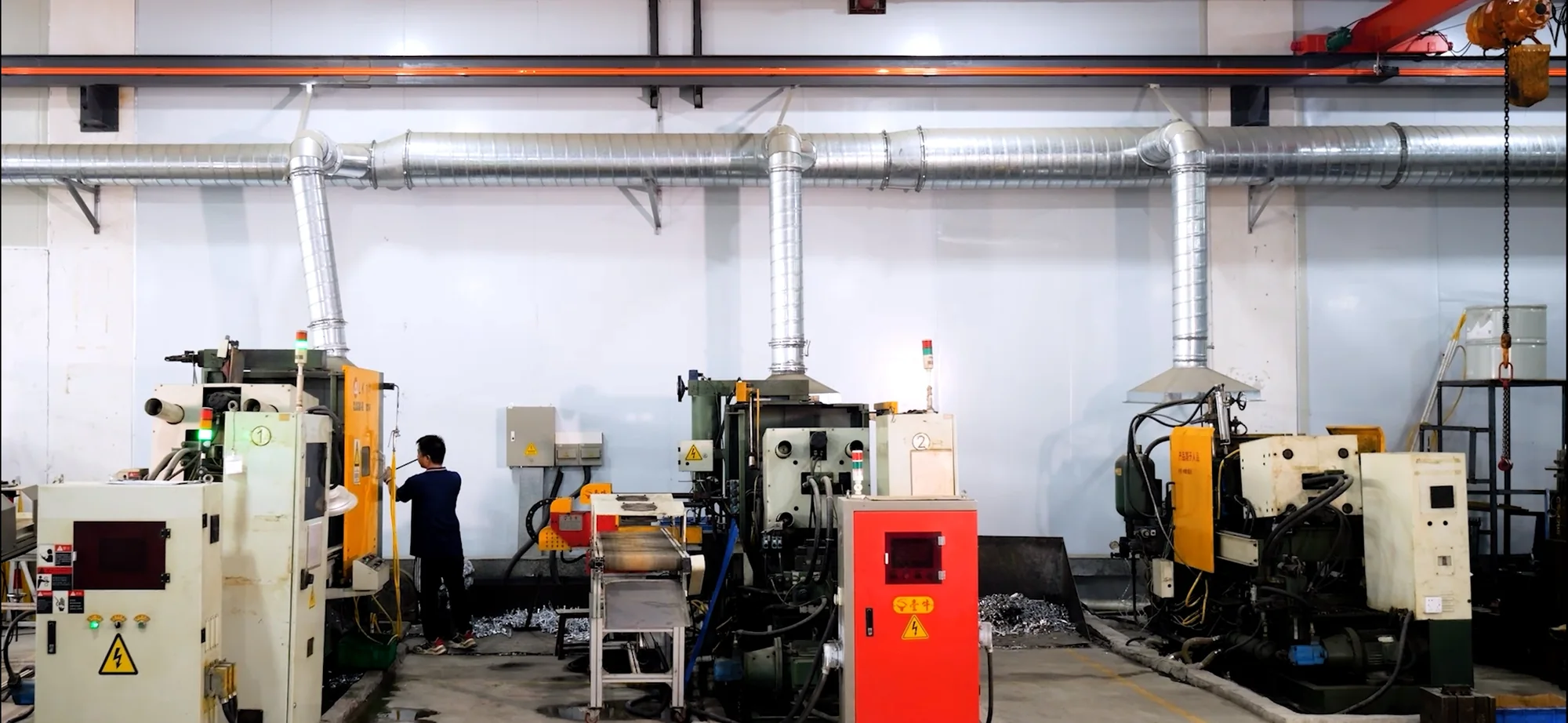
قدرات تصنيع المفصلات الصناعية
تدعم شركة HSP إنتاج المفصلات من خلال تصنيع القوالب والمكونات والتجميع والفحص، بالإضافة إلى الدعم التصنيعي اللازم لتحويل المتطلبات المحددة إلى مرحلة الإنتاج.
تستند إلى إنتاج المفصلات داخليًّا
تجمع HSP بين تصنيع القوالب وإنتاج المكونات والتجميع والفحص ضمن سير العمل التصنيعي. ويعتمد مسار الإنتاج على الشكل الهندسي للمفصلة، والمواد المستخدمة، وهيكل المحور، والحالة النهائية للمنتج، مع الحفاظ على الترابط بين متطلبات المخططات والتصنيع والتجميع أثناء انتقال العمل عبر المصنع.
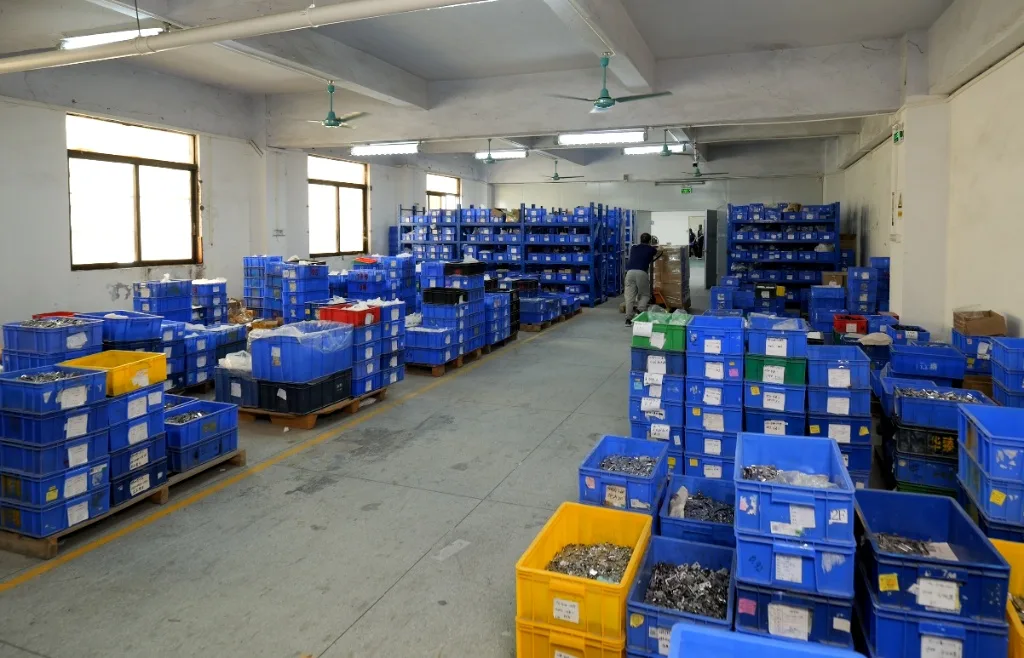
لمحة عن القدرات
يربط سير العمل الحالي في الإنتاج بين العمليات المكونة للمشروع ودعم الفحص أو التحقق الذي يتطلبه المشروع.
| القدرة | دعم الإنتاج الحالي |
|---|---|
| تشكيل المعادن | مكونات المفصلات المصنوعة بالختم والتشكيل |
| الأدوات | دعم قوالب الإنتاج والأدوات |
| الصب بالقالب | مكونات من سبائك الزنك حيثما دعت الحاجة |
| التجميع | الدبابيس، والزنبركات، وعناصر الاحتكاك، والمكونات المقابلة |
| التحقق من الأبعاد | القياس القائم على الرسم |
| التحقق من صحة المشروع | اختبارات الحمل، وعمر الدورة التشغيلية، والتآكل عند الحاجة |
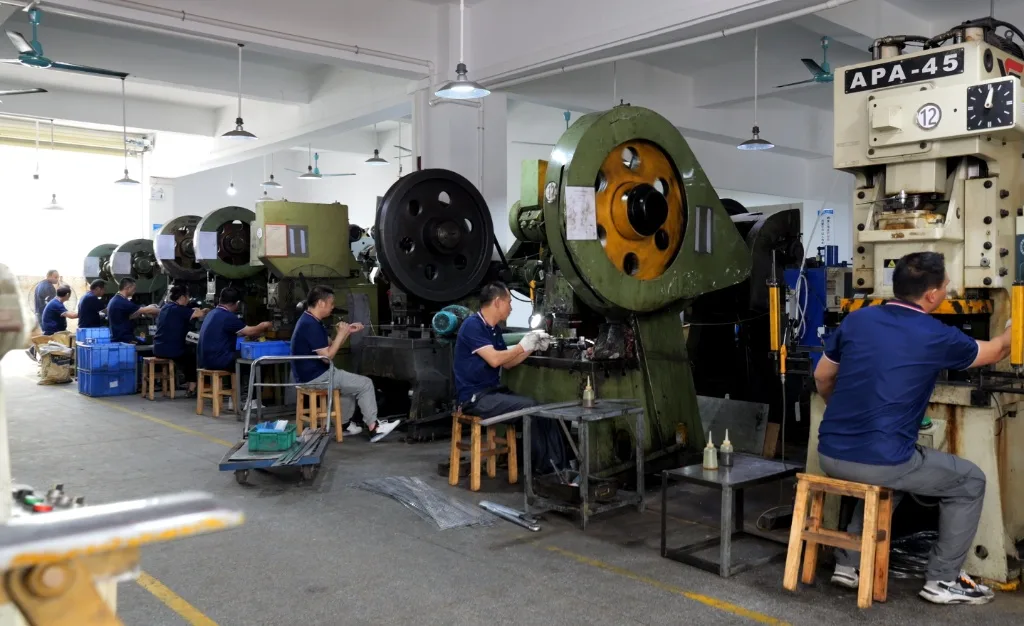
تشكيل وتقطيع المعادن
تنتج عمليات الضغط الأجنحة المفصلية، والأقواس، والمكونات المشكلة ذات الصلة. وتناسب هذه العملية المنتجات التي يمكن التحكم في شكلها الهندسي من خلال خطوات تشكيل مخصصة وأدوات إنتاج مخصصة.
يُحدد الرسم والحالة النهائية المطلوبة مسار استخدام الأدوات وعمليات الفحص التي تُجرى مع بدء الإنتاج.
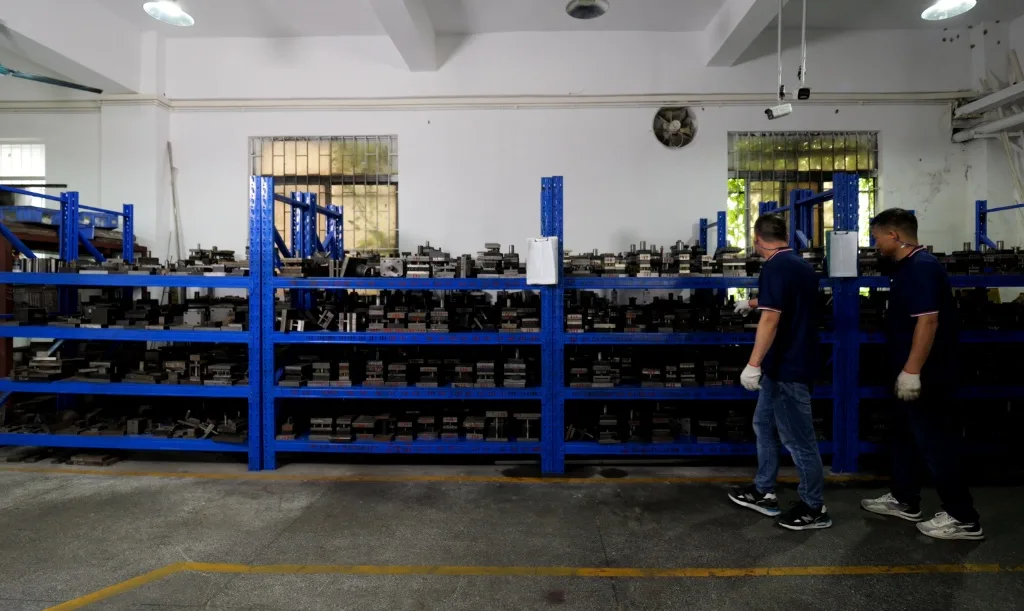
دعم الأدوات والقوالب
تدعم الأدوات الإنتاج المتكرر من خلال تحويل الشكل الهندسي المطلوب للمكونات إلى عملية تصنيع خاضعة للرقابة في ورشة العمل. وقد تدعم الأدوات الحالية الإنتاج القائم على المنصات؛ أما الأدوات الجديدة فتعتمد على الشكل الهندسي وتسلسل التشكيل ومتطلبات الإنتاج.
الصب بالقالب
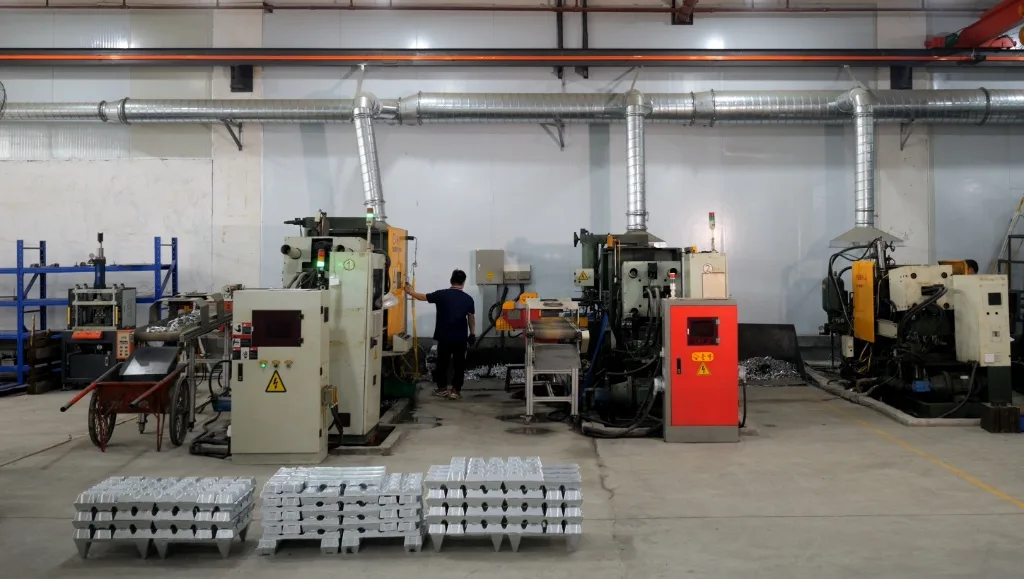
يُستخدم الصب بالقالب لسبائك الزنك في الحالات التي تتطلب فيها المكونات هندسة تفصيلية قابلة للتكرار. ولا يتم اختيار هذه العملية إلا عندما تكون المادة وتصميم المكون ومتطلبات الإنتاج مناسبة لعملية الصب.
مجموعة المفصلة
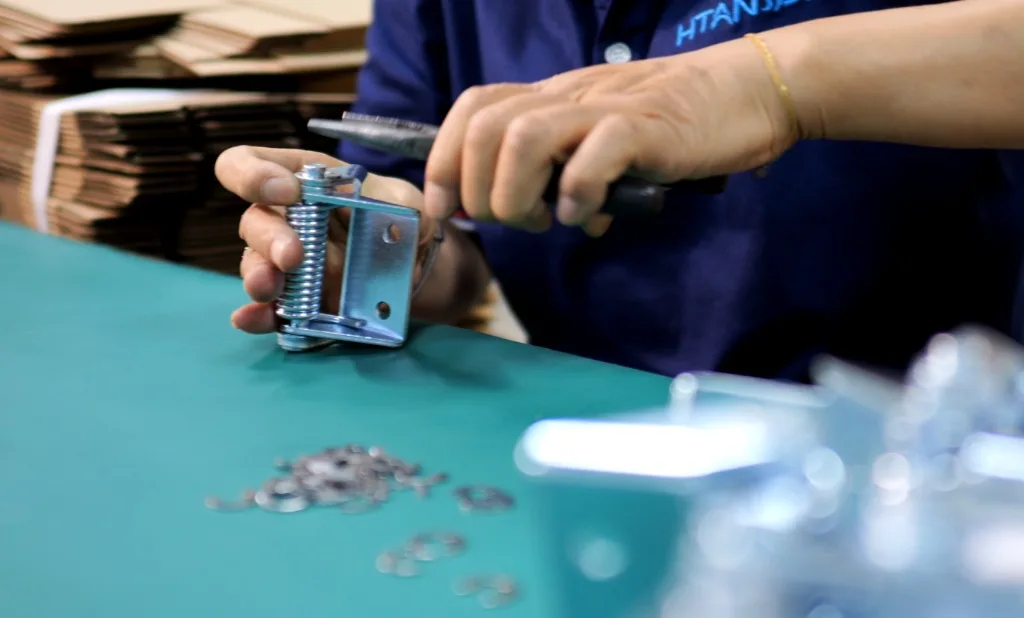
يتم تجميع المسامير والزنبركات وعناصر الاحتكاك والمكونات المقابلة معًا في عملية التجميع النهائية للمفصلة. ويعتمد التسلسل وعمليات الفحص على هيكل المفصلة، بالإضافة إلى التوافق والحركة والحالة النهائية المحددة للإنتاج.
المواد المستخدمة في جميع مراحل الإنتاج
يتم اختيار المواد وفقًا للرسم، وطريقة التصنيع، والتشطيب المحدد، ومتطلبات الخدمة.
| المواد | الاستخدامات التصنيعية النموذجية |
|---|---|
| الفولاذ المقاوم للصدأ SUS304 | أوراق ومكونات المفصلات التي يُشترط فيها استخدام الفولاذ المقاوم للصدأ |
| الفولاذ الكربوني / SPCC | المكونات المشكلة المزودة بالطلاء أو الطبقة الخارجية أو المعالجة السطحية المحددة |
| سبائك الزنك / ZDC | المكونات المصبوبة بالقالب التي تتطلب هندسة تفصيلية قابلة للتكرار |
الدعم خلال عملية التصنيع
تشرح الصفحات المخصصة المشروع والأعمال الهندسية وأعمال التحقق المرتبطة بقدرات الإنتاج الأساسية الموضحة أعلاه.
التصنيع وفقًا لمعايير OEM و ODM
دعم عمليات الإنتاج القائمة على الرسومات، وتعديل المنصات الحالية، والمشاريع التي تنطلق من متطلبات التطبيق.
الهندسة والبحث والتطوير
يتم مراجعة العلاقات التصميمية، وتركيب الواجهات، والحركة، وقابلية التصنيع قبل اتخاذ أي قرارات بشأن الأدوات أو الإنتاج.
الجودة والاختبار
يتم إجراء فحوصات الأبعاد والتحقق من صحة الأحمال المطبقة وعمر الدورة التشغيلية ومقاومة التآكل وفقًا لمتطلبات الرسومات أو المشروع المحددة.
ناقش متطلباتك المتعلقة بتصنيع المفصلات
يرجى مشاركة الرسومات أو العينات أو معلومات التطبيق المتوفرة، إلى جانب المواصفات والكمية ومتطلبات الإنتاج. وستقوم HSP بدراسة مسار التصنيع الأكثر ملاءمة.