Sample text
- +86 13720060320
- lanna@haitangs.com


Adjustable Torque Hinges
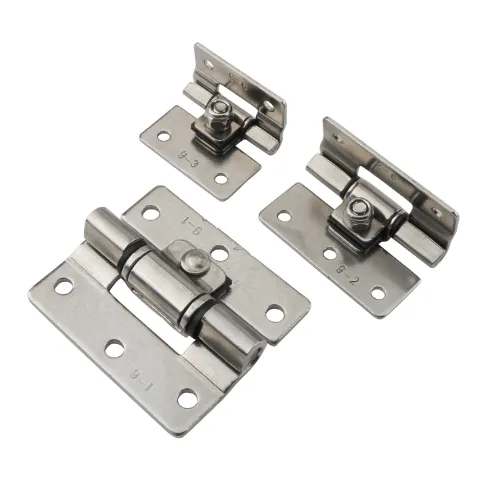
Adjustable torque hinges — also known as variable friction hinges — are precision motion control components that hold panels, lids, and displays at any angle, hands-free. With a built-in set screw for on-site friction adjustment, they are widely used in medical equipment, industrial automation, and consumer electronics across North America and Europe.
Learn More ▼
What Is an Adjustable Torque Hinge?
An adjustable torque hinge uses internal friction — generated by a compression mechanism and a built-in set screw — to hold a lid, panel, or display at any desired angle without additional support hardware. Unlike standard butt hinges, the friction level can be fine-tuned on-site to match the exact load requirements of your assembly.
- Free-stop positioning: Panels stay stationary at any open angle, hands-free.
- Field-adjustable friction: A hex set screw lets you increase or decrease torque without disassembly.
- Wear compensation: Re-adjust friction over time to maintain consistent holding torque as components wear.
- Smooth, controlled motion: Engineered for low-noise, vibration-resistant operation across thousands of cycles.
Industrial & Commercial Applications
Our heavy-duty torque hinges are specified by OEM engineers and procurement teams across multiple industries:
- Medical Equipment: Display screens, touchscreen monitors, and access panels on diagnostic and patient care devices.
- Industrial Automation: Machine guards, HMI panels, and control cabinet doors requiring safe hold-open positions.
- Consumer Electronics & IT: Laptop lids, server rack doors, and test equipment enclosures.
- Automotive & Aerospace: Instrument consoles and specialty vehicle compartments.
- Premium Furniture: Soft-close and hold-open solutions for high-end cabinet lids and display cases.
How to Select the Right Torque Hinge
- Determine the weight and center of gravity of the panel or lid.
- Calculate the required torque (Nm) based on the panel’s moment arm at maximum open angle.
- Select a hinge rated 10–20% above the calculated torque to allow for adjustment and long-term wear.
- Consider installation orientation (horizontal vs. vertical axis).
- Specify the appropriate material and finish for your operating environment.
Frequently Asked Questions
What is the difference between a torque hinge and a friction hinge?
The terms are often used interchangeably. Friction hinge describes the mechanism, while torque hinge refers to the measurable output in Nm. All our variable friction hinges are rated by torque output for precise engineering specification.
Can the torque be adjusted after installation?
Yes. The built-in set screw allows friction to be increased or decreased using a standard hex key, even after the hinge is fully installed.
Are your hinges suitable for outdoor or corrosive environments?
We offer stainless steel variants and corrosion-resistant surface treatments. Please specify your operating conditions when requesting a quote.
Do you offer samples or custom OEM specifications?
Yes. Sample units are available for engineering evaluation, and custom torque values, mounting patterns, and finishes are available for OEM orders. Contact us to get started.
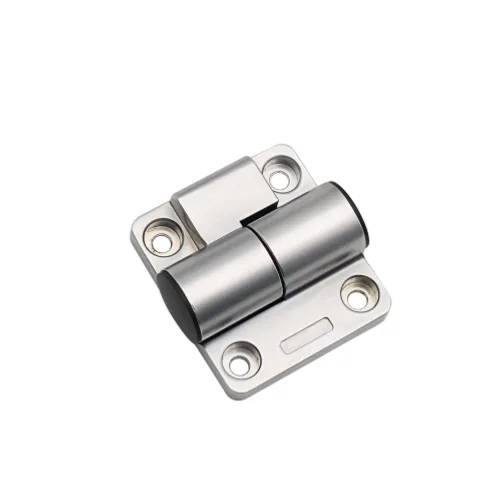
Zinc Alloy Flat Torque Hinge | 112° | Up to 2.0 N·m
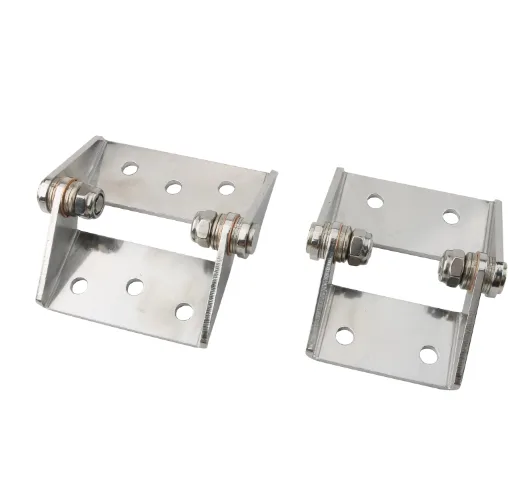
Equipment Cabinet Torque Hinge | Free-Stop | Up to 15 N·m
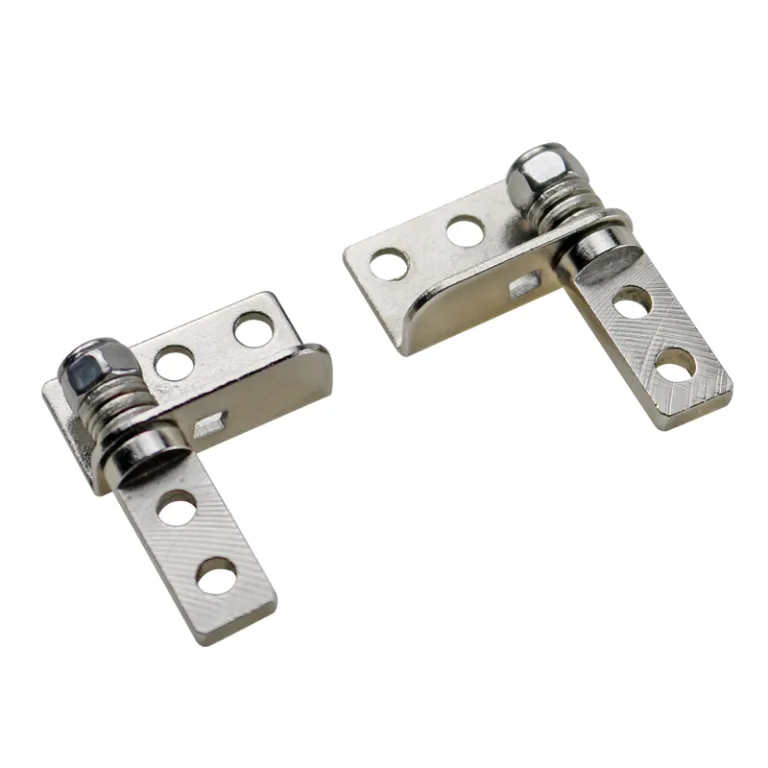
Carbon Steel L-Shape Torque Hinge | Free-Stop | 1.0–1.5 N·m
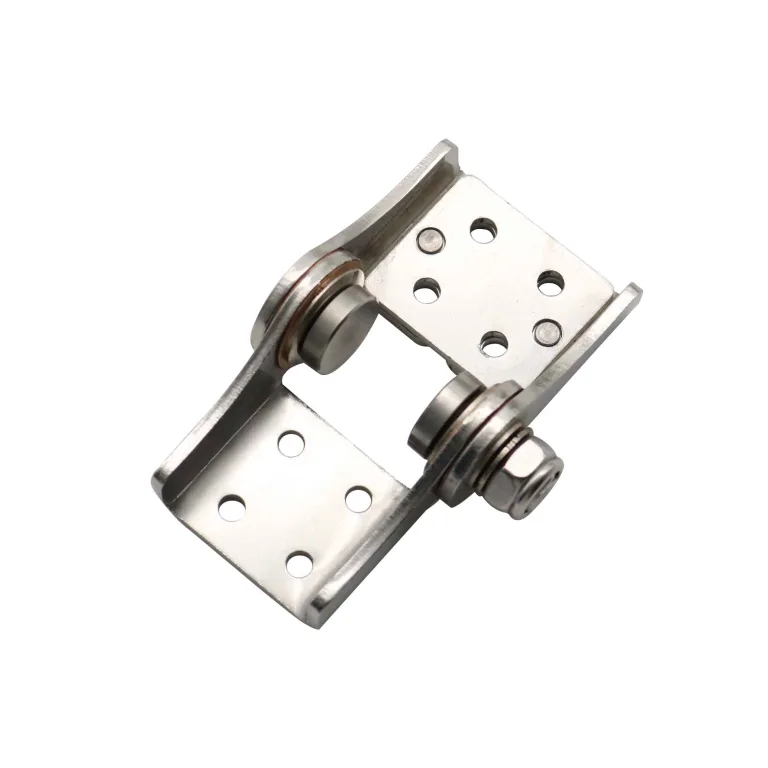
Heavy-Duty Free-Stop Torque Hinge 4.0–10.0 N·m | Adjustable
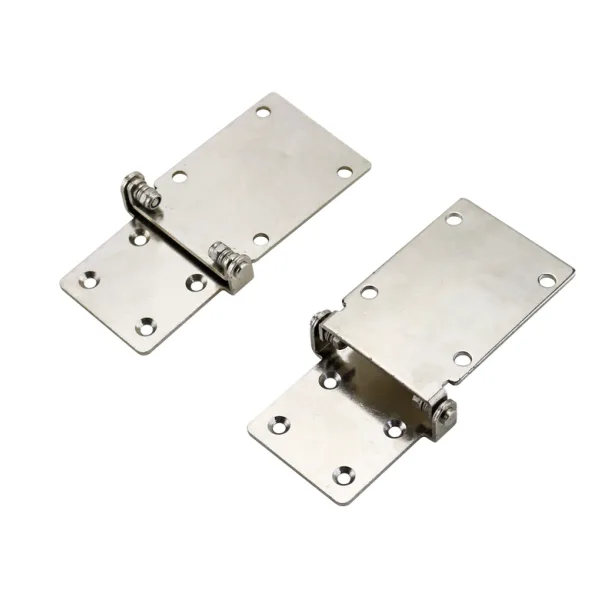
Flip-Stop Torque Hinge 3.0 N·m | Industrial Door & Panel
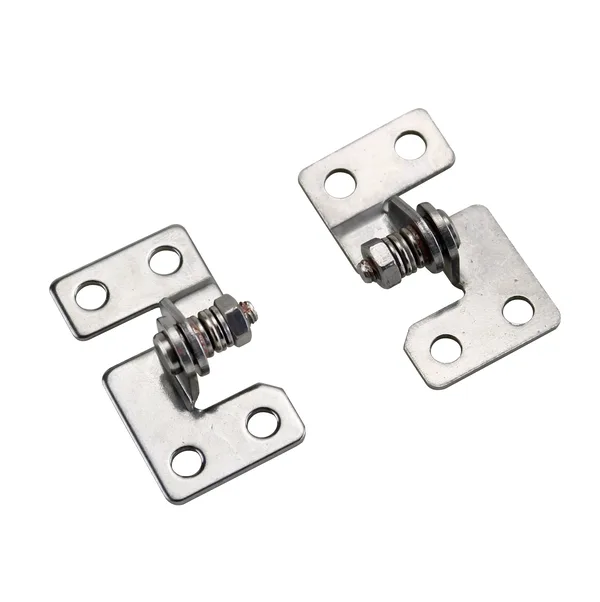
Adjustable Torque Cabinet Hinge | 0.5–2.0 N·m | Industrial Flip Cover
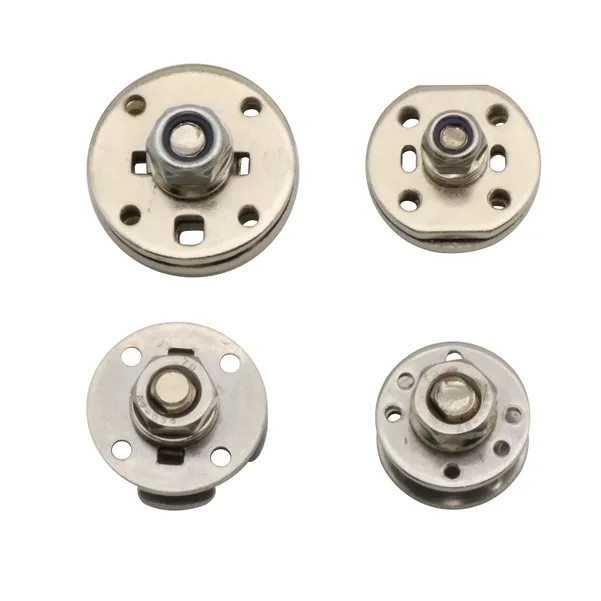
Adjustable Round Torque Hinge | 0–6.0 N·m | 360° Rotation
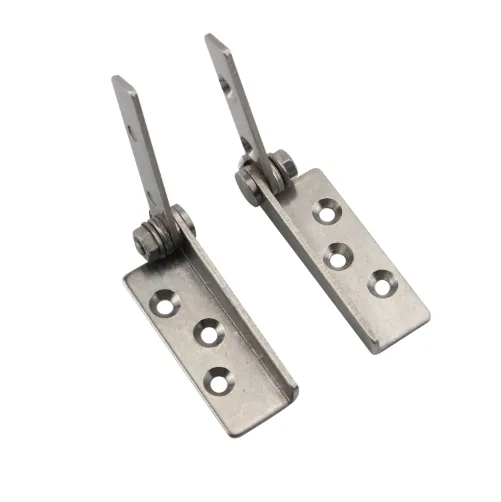
Adjustable 110° Torque Hinge for Industrial Cabinets | 0.5–2N·m