-
+86 13720060320
-
lanna@haitangs.com

Cerniera a coppia per bracci porta-monitor medicali: come specificarla
Un braccio porta-monitor medico richiede una cerniera a coppia — ovvero una cerniera a frizione in grado di mantenere lo schermo in qualsiasi angolazione senza bisogno di un blocco o di una molla a gas — e la vera sfida consiste nell'adattare la sua coppia di tenuta al carico massimo, per poi verificare che resista alle ripetute regolazioni quotidiane e alla pulizia di routine con disinfettanti. Una cerniera a movimento libero non è in grado di farlo: lo schermo si sposta, si incurva o risulta allentato, il che interrompe l'assistenza e comporta richieste di intervento in garanzia per il produttore OEM. Questa pagina illustra cosa specificare per le custodie mediche in particolare; per una panoramica più ampia su tutti i tipi di cerniere, consulta la nostra guida su Come scegliere una cerniera industriale.
In un ospedale, il braccio porta-monitor è parte integrante del flusso di lavoro, non un semplice accessorio. Un'infermiera può riposizionare il display accanto al letto decine di volte durante ogni turno; lo schermo in sala operatoria deve rimanere esattamente nella posizione in cui è stato regolato; il carrello per la telemedicina viene spostato continuamente. La cerniera deve mantenere la posizione, resistere alla deriva e rimanere scorrevole dopo migliaia di cicli, pur tollerando la pulizia con disinfettanti che aggrediscono le finiture. Poiché il display è a sbalzo rispetto al perno, il carico effettivo sulla cerniera è molto più elevato del peso lordo dello schermo, quindi le specifiche devono riflettere il momento totale, non la massa.
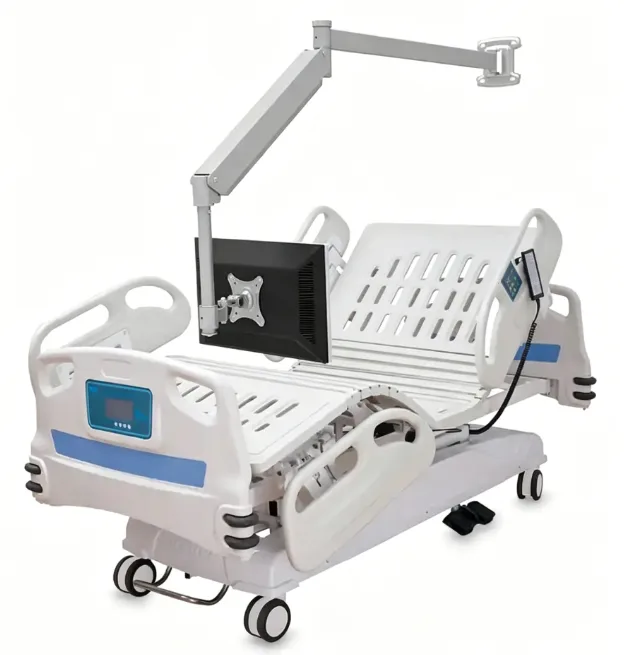
Guida rapida alla scelta in base all'applicazione
Non tutti i bracci porta-monitor necessitano dello stesso snodo. È importante scegliere il tipo più adatto all'uso previsto, quindi dimensionarlo in base al carico effettivo e alla geometria.
| Applicazione | Priorità tipica | Metodo comune di calcolo della coppia |
|---|---|---|
| Monitor da comodino / da reparto | Cambio di posizione frequente, sensazione di leggerezza | Coppia moderata, avvio fluido; spesso regolabile |
| Sala operatoria / Schermata della procedura | Tenuta solida come una roccia, nessuna deriva | Coppia maggiore, controllo rigoroso del gioco assiale |
| Telemedicina / carrello mobile | Movimento, vibrazioni, pulizia | Materiale resistente, resistente alla corrosione, che mantiene la consistenza |
| Settore diagnostica e imaging | Posizionamento preciso, lunga durata | Curva di coppia stabile, elevata ritenzione del ciclo |
Poiché il carico varia spesso all'interno di una stessa famiglia di prodotti o cambia con l'evolversi di un programma, i bracci porta-monitor per uso medico utilizzano spesso un cerniera a coppia regolabile in questo modo è possibile regolare la sensazione in base alla versione, con le impostazioni documentate e bloccate in modo che le unità rimangano coerenti.
Cosa indicare (informazioni mediche specifiche)
Il valore della coppia da solo non costituisce una specifica. Per un braccio porta-monitor medico, occorre definire il peso del monitor e il suo centro di gravità; la lunghezza del braccio dal perno al carico; l'ampiezza di movimento richiesta; la resistenza alla rotazione accettabile; l'ambiente di pulizia; e l'interfaccia di montaggio. Due aspetti relativi alle prestazioni sono qui più importanti che altrove:
- Coppia di distacco vs coppia di rotazione: La forza di avvio è quella necessaria per iniziare il movimento, mentre la coppia di mantenimento è quella necessaria per mantenerlo in movimento. Se la forza di avvio è troppo elevata, il braccio risulta a scatti; se la coppia di mantenimento cala troppo, lo schermo appare instabile. Nell’uso clinico, la fluidità e la prevedibilità sono importanti tanto quanto il valore numerico della tenuta.
- Gioco assiale: Il movimento laterale del perno si traduce in un tremolio visibile sullo schermo, il che fa sembrare l'apparecchiatura inaffidabile e mina la fiducia dell'utente. Un controllo preciso del perno è una priorità medica, non un semplice optional.
Ci sono altri due fattori comuni a tutte le cerniere di torsione, quindi verificateli ma non ricomponeteli qui: durata e mantenimento della coppia — la cerniera deve continuare a reggere dopo i cicli previsti, non limitarsi a resistervi (vedi il Guida alla durata delle cerniere a torsione); e fisso vs regolabile — fisso per un progetto definitivo, modulabile per programmi in evoluzione o con varianti (vedi il guida fissa vs guida regolabile).
Compatibilità in termini di pulizia, montaggio e instradamento dei cavi
È proprio in questo che i bracci medicali si differenziano maggiormente dalle attrezzature comuni. Il braccio viene pulito ripetutamente con disinfettanti ospedalieri, quindi la finitura, la resistenza alla corrosione e i materiali interni sono tutti fattori importanti. L'alluminio anodizzato è adatto ad alcuni modelli, ma l'acciaio inossidabile è generalmente più resistente alle pulizie aggressive; l'acciaio placcato è una scelta poco indicata nei casi in cui si prevede un'esposizione chimica regolare. Chiedete al fornitore di specificare chiaramente se i materiali delle cerniere sono compatibili con i comuni detergenti ospedalieri: se la risposta è vaga, il rischio ricade su di voi.
Il montaggio e il passaggio dei cavi determinano la solidità del braccio. Qualsiasi gioco nel sistema di fissaggio (bullone passante, flangia o staffa personalizzata) provoca un'oscillazione che viene interpretata come un malfunzionamento della cerniera, anche quando questa è perfettamente funzionante. Inoltre, poiché i bracci porta-monitor instradano il segnale video e l'alimentazione attraverso il perno, la cerniera non può occupare tutto lo spazio centrale: pianificate il percorso dei cavi fin dall'inizio, non dopo aver scelto la cerniera.
Controlli di conformità e di approvvigionamento
Per un prodotto a uso medico, la documentazione ha lo stesso peso delle prestazioni meccaniche. È opportuno che il fornitore fornisca le dichiarazioni RoHS e REACH, la tracciabilità dei materiali e i risultati dei test relativi al mantenimento della coppia e alla resistenza ambientale. La dicitura “grado medico” non è un semplice slogan di marketing, ma deve essere supportata da dati sui materiali e risultati dei test. Quando si confrontano i fornitori, è opportuno chiedere: qual è la curva di coppia nell'intero intervallo operativo; come si comporta dopo cicli ripetuti; quali materiali sono presenti nell'interfaccia di attrito; come reagisce ai prodotti chimici per la pulizia; la coppia è fissa o regolabile; e il fornitore è in grado di garantire qualità e volumi per l'intero programma? Una cerniera eccellente che non può essere fornita in modo costante rappresenta un rischio per il programma, quindi consideratela come un componente del ciclo di vita, non come un pezzo di serie.
I difetti che si riscontrano spesso nei sistemi di supporto per monitor sono prevedibili: coppia di serraggio insufficiente (cedimenti durante l'uso), coppia eccessiva (rigidità e fastidio), percorso dei cavi non considerato (che si traduce in problemi alle cerniere) e materiali che si deteriorano con la pulizia (perdita di coppia o corrosione). Se realizzata correttamente, la cerniera è invisibile: l'utente sposta lo schermo, lo lascia andare e questo rimane in posizione senza spostamenti, cadute o oscillazioni. Condividi il peso del tuo monitor, la lunghezza del braccio, l'ampiezza di movimento, il numero di cicli previsto e la routine di pulizia e il nostro team di ingegneri può scegliere la cerniera più adatta all'applicazione.
FAQ
Perché un braccio porta-monitor medico deve avere una cerniera a coppia invece di una cerniera standard?
Una cerniera standard oscilla liberamente e non è in grado di mantenere lo schermo in una posizione angolare prestabilita. Una cerniera a coppia esercita invece un attrito controllato, consentendo al monitor di rimanere nella posizione in cui è stato posizionato senza bisogno di un blocco o di una molla a gas; ciò è fondamentale quando lo schermo viene riposizionato più volte al giorno e non deve spostarsi durante l'assistenza.
Qual è la coppia necessaria per la cerniera di un braccio porta-monitor medico?
Dipende dal peso del monitor, dalla lunghezza del braccio dal perno al carico e dal numero di cerniere che sostengono il carico: ciò che conta è il momento totale, non solo il peso dello schermo. Un display montato lontano dal perno richiede una coppia molto maggiore di quanto suggerisca la sua massa, quindi è necessario dimensionarlo in base alla geometria, non al peso.
Le cerniere a molla dei bracci porta-monitor per uso medico sono resistenti alla pulizia?
È possibile, a condizione che il materiale sia compatibile con il ciclo di disinfezione. L'acciaio inossidabile è generalmente più resistente dell'acciaio placcato in caso di ripetute operazioni di pulizia in ambito ospedaliero. Chiedete al fornitore di confermare la compatibilità del materiale con i comuni prodotti detergenti e di fornire le dichiarazioni RoHS e REACH.
È preferibile che un braccio porta-monitor medico sia dotato di una cerniera a coppia fissa o regolabile?
La coppia regolabile è una pratica comune, poiché il peso e la sensazione al tatto del monitor spesso variano all'interno di una stessa famiglia di prodotti o cambiano con l'evoluzione del programma, e la cerniera può essere regolata in base alla versione. Utilizzare una coppia fissa quando il progetto è definitivo e ogni unità deve offrire la stessa sensazione al tatto. Documentare e bloccare qualsiasi impostazione regolabile in modo che le unità rimangano uniformi.