샘플 텍스트
- +86 13720060320
- lanna@haitangs.com

숨겨진 경첩
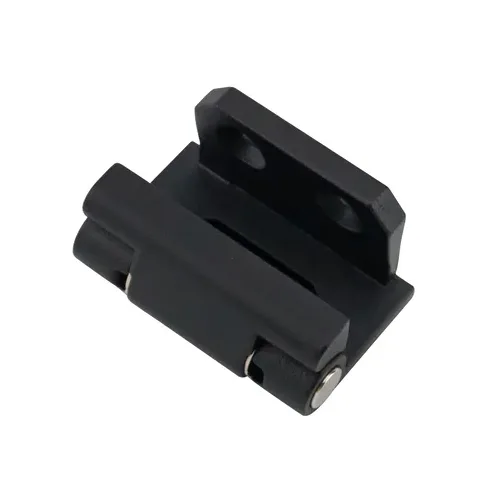
캐비닛용 탈착식 아연 합금 코너 힌지
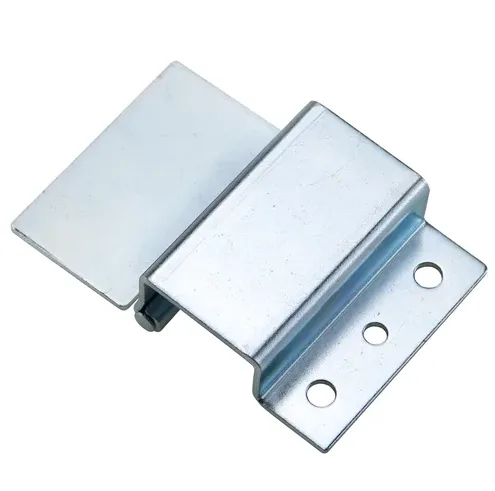
98×62mm Concealed Concave-Convex Hinge
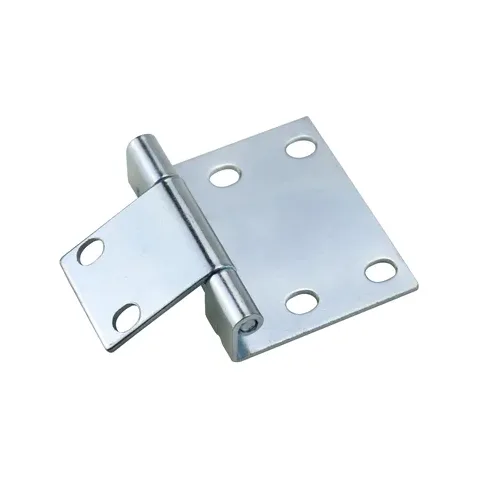
Concealed Hinges for Rittal & Electrical Cabinets
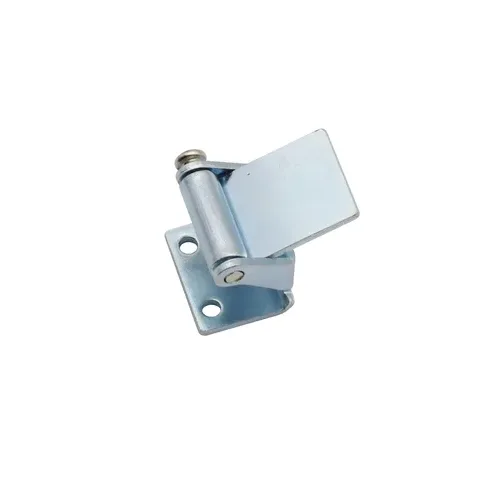
90° Concealed Industrial Corner Hinge
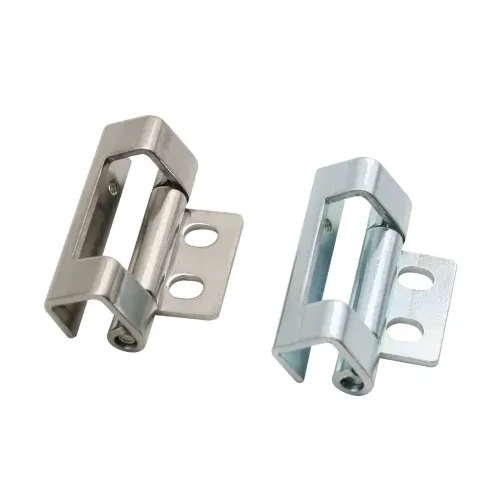
71×30mm Concealed Industrial Cabinet Hinge
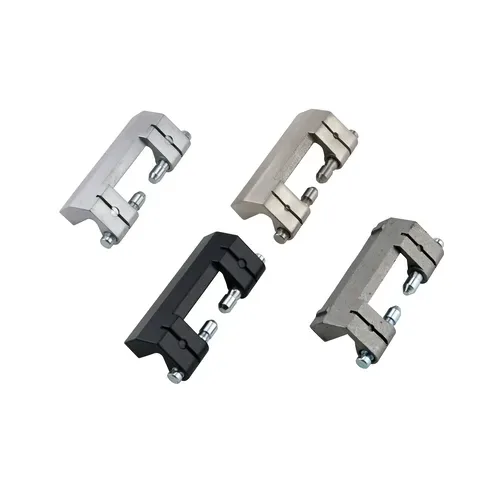
Industrial Concealed Removable Hinge
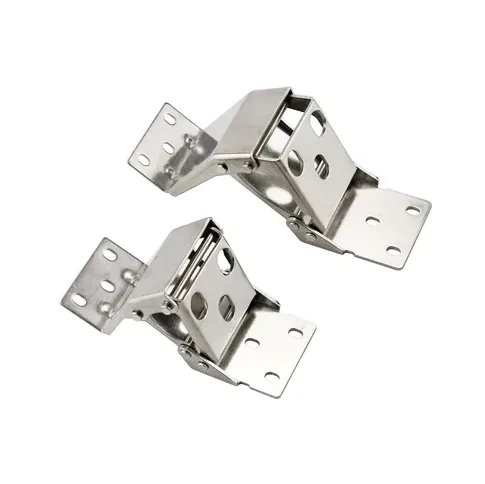
Concealed Four-Axis Folding Hinge
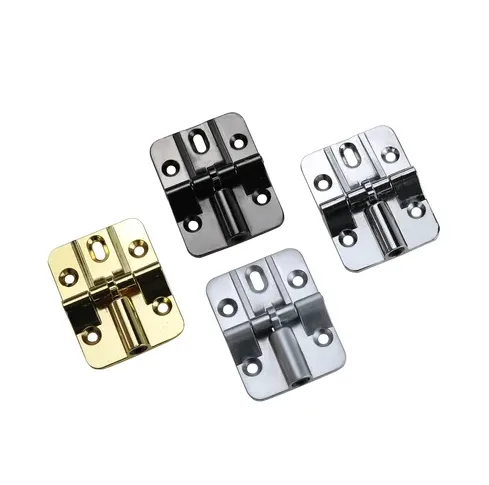
Adjustable Concealed Hinge with 90°/180° Stop
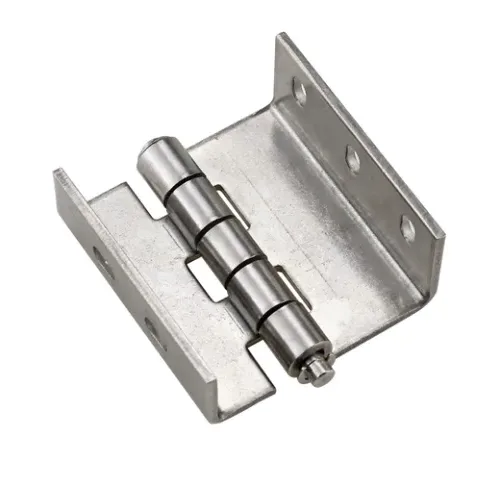
304 Stainless Steel Double-Bent Concealed Hinge
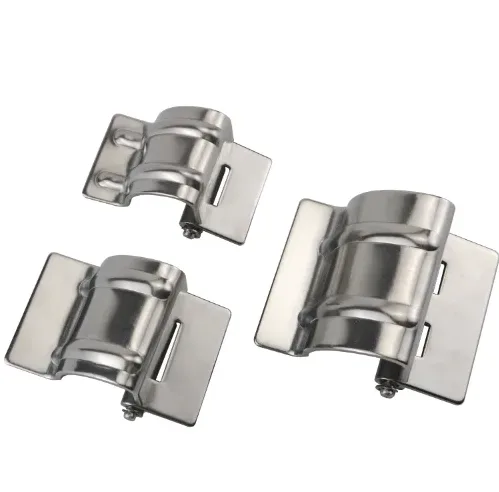
Weld-On Concealed Hinge for Industrial Cabinets
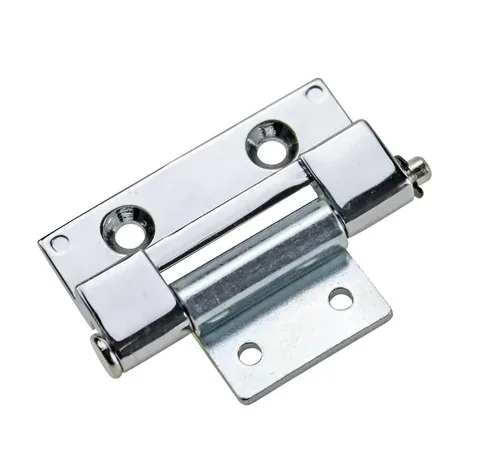
120° Concealed Removable Weld-On Hinge
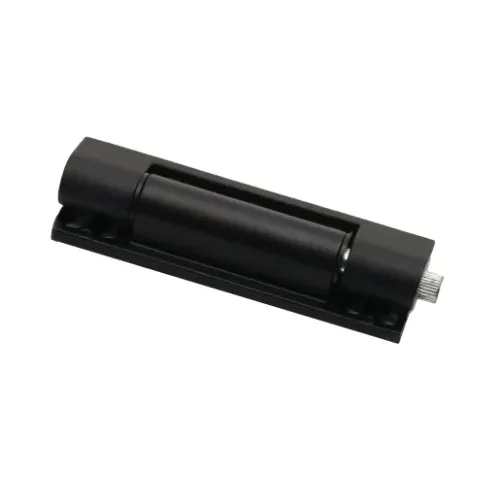
180° Concealed Zinc Alloy Hinge for Overlay Doors
Concealed hinges are mounted entirely within the door and frame so that no hinge hardware is visible from the exterior when the door is closed. They are specified where industrial cabinets, enclosures, and equipment housings require a clean external appearance, anti-tampering security, or protection of the hinge mechanism from external moisture and contaminants. HSP manufactures 15+ concealed hinge models in three material families — ZDC die-cast zinc alloy, SPCC cold-rolled steel, and SUS 304 stainless steel — with surface finishes ranging from zinc plating and vibratory polishing to gun black, gold, matte, chrome plating, and sandblasted.
For OEM cabinet manufacturers, machine builders, and equipment housing designers, concealed hinge selection comes down to four factors: panel thickness compatibility, required opening angle, load rating, and mounting method (bolt-on vs weld-on). Drawing on 10+ years of supplying industrial hinge solutions to electrical cabinet, control panel, food machinery, marine, and laboratory equipment OEMs, our engineering team matches material, finish, and geometry to the application — including custom configurations for OEM production.
What Are Concealed Hinges?
Concealed hinges (also called hidden hinges or invisible hinges) are designed so that the entire hinge body is enclosed between the door panel and the cabinet frame. When the door is closed, no hinge components are visible from the outside — including the screws. This concealed mounting delivers four practical advantages compared to externally-mounted hinges:
- Clean external appearance: No visible hinge hardware on the exterior face of the cabinet, panel, or enclosure — important for modern industrial design, premium equipment housings, and customer-facing furniture.
- Anti-tampering security: With no exposed hinge pins or screws on the outside, the hinge cannot be removed or attacked from the exterior — relevant for electrical cabinets, control panels, and equipment housings in public or unsecured locations.
- Protected hinge mechanism: Mounted inside the cabinet, the hinge is shielded from rain, washdown chemicals, dust, and physical impact — extending service life in outdoor, food-machinery, and washdown applications.
- Flush door operation: Allows the door to sit flush with the cabinet face when closed, supporting tight gasket compression and consistent panel alignment.
HSP Concealed Hinge Range
Our concealed hinge catalog covers a wide range of cabinet sizes, panel materials, and finish requirements. Standard configurations are organized around three material families:
- ZDC (zinc alloy die-cast) models: Strong, dimensionally precise hinges for indoor industrial cabinets and equipment housings. Available with gun-black, gold, matte, chrome, sandblasted, and black painted finishes — suited to applications where appearance is a specification, not just a function.
- SPCC (cold-rolled steel) models: Cost-effective formed-steel hinges with zinc-plated finish. Suitable for high-volume industrial enclosures and machine guards where corrosion exposure is limited and budget is a constraint.
- SUS 304 stainless steel models: Corrosion-resistant hinges with vibratory polished or brushed finish — specified for food machinery, marine equipment, medical and laboratory housings, and outdoor or washdown environments.
- Bolt-on and weld-on configurations: Bolt-on hinges support field installation and replacement; weld-on (no-hole) variants provide a permanent attachment with the cleanest external appearance — important for stainless steel furniture and medical/laboratory cabinets requiring hygienic surfaces.
- 개방 각도: Standard configurations include 90° and 180° opening, selectable based on cabinet clearance and access requirements.
- OEM customization: Custom dimensions, mounting hole patterns, opening angles, and surface finishes available for production runs.
일반적인 애플리케이션
- Electrical cabinets and control panels: Switchgear enclosures, distribution panels, and industrial control cabinets where exterior aesthetics, security, and IP protection all matter.
- Industrial automation enclosures: Machine guards, instrumentation housings, and automation cabinet doors where exterior-mounted hinges would compromise design integrity.
- Food machinery and washdown equipment: Stainless steel access panels and equipment doors requiring hygienic exterior surfaces with no external fastener heads to collect contaminants.
- Marine and outdoor cabinets: Vessel cabin doors, deck storage compartments, and outdoor utility enclosures where concealed mounting protects the hinge mechanism from salt spray and weathering.
- Medical and laboratory equipment: Instrument housings, equipment cabinets, and laboratory furniture requiring cleanable surfaces and concealed mechanisms.
- Premium furniture and architectural cabinetry: High-end commercial and residential cabinetry, retail display cases, and architectural panels with hidden hinge requirements.
- Vending and self-service equipment: Vending machine doors, kiosk service panels, and ATM rear-access doors requiring anti-tampering security.
How to Choose a Concealed Hinge
Concealed hinge selection requires matching the hinge geometry to the door panel thickness, opening angle, and exterior finish requirements. Unlike surface-mounted hinges, concealed designs depend on internal mounting clearance — confirming the available space inside the cabinet frame is the first step.
- Panel thickness and cabinet frame clearance: Concealed hinges require sufficient internal space between the door and frame. Confirm panel thickness, frame depth, and door overlay before specification.
- Required opening angle: 90° opening is common for industrial cabinets where access from one side is sufficient; 180° opening allows full-swing access for maintenance, cleaning, or wide doors.
- 소재 및 마감: SUS 304 for marine, food machinery, and washdown environments; ZDC with appropriate finish (gun-black, chrome, matte) for indoor industrial and premium-appearance applications; SPCC zinc-plated for cost-sensitive volume production.
- Mounting method: Bolt-on (screw-mounted) hinges allow field installation and replacement; weld-on hinges provide a permanent attachment with the cleanest exterior — preferred for stainless furniture and hygiene-critical equipment.
- Load and cycle requirements: Match hinge size to door weight and expected daily opening cycles. Larger HSP concealed models support higher loads; multiple hinge points may be needed for heavy doors.
- Aesthetic specification: For visible-when-open applications (premium furniture, retail display), confirm the surface finish meets the visible-edge appearance requirement.
품질 검증
Each concealed hinge batch is validated through 2D dimensional inspection (verifying critical interference dimensions for in-frame fit), tensile and load testing, fatigue cycle testing on dedicated rigs, and salt spray testing per ASTM B117 for SUS 304 and zinc-plated variants. Surface finish consistency is inspected visually on every batch — particularly important for ZDC models with decorative finishes such as gun-black, gold, and chrome.
Concealed Hinges vs Surface-Mounted Hinges
Concealed hinges mount entirely within the cabinet — chosen when external appearance, anti-tampering security, or protection from environmental exposure matter. Surface-mounted hinges mount externally on the door and frame face — chosen when load capacity, easy installation, and field replaceability matter more than exterior aesthetics.
| 선택 요소 | 숨겨진 경첩 | Surface-Mounted Hinges |
|---|---|---|
| External appearance | Hinge fully hidden when closed | Hinge visible on exterior |
| Anti-tampering | No external access to hinge | Hinge accessible from outside |
| Environmental protection | Hinge protected from rain, washdown, dust | Hinge directly exposed |
| 최고의 애플리케이션 | Electrical cabinets, food machinery, marine, premium furniture | Heavy-duty doors, industrial doors, simple enclosures |
| Installation | Requires internal frame space; bolt-on or weld-on | External mounting, simpler installation |
| Field replacement | Possible with bolt-on models; weld-on is permanent | Straightforward, fully accessible |
자주 묻는 질문
What is a concealed hinge?
A concealed hinge (also called hidden or invisible hinge) is mounted entirely within the door and frame, so no hinge hardware is visible from the exterior when the door is closed. It is used on industrial cabinets, equipment enclosures, and premium furniture where external aesthetics, anti-tampering, or environmental protection matter.
What materials are available?
HSP concealed hinges are available in three material families: ZDC die-cast zinc alloy (for decorative-finish indoor applications), SPCC cold-rolled steel with zinc plating (for cost-sensitive volume production), and SUS 304 stainless steel (for marine, food machinery, washdown, and laboratory applications).
What opening angles are available?
Standard configurations include 90° and 180° opening angles. Selection depends on the cabinet clearance and required access width. Custom opening angles can be developed for OEM applications.
What surface finishes do you offer?
Available finishes vary by material: ZDC models offer gun-black, gold, matte, chrome plating, sandblasted, and black painted; SPCC models are zinc-plated; SUS 304 models are vibratory polished or brushed. Custom finishes can be matched to OEM specifications.
Should I choose bolt-on or weld-on concealed hinges?
Bolt-on hinges allow field installation, adjustment, and replacement — preferred when maintenance access matters. Weld-on hinges provide a permanent attachment with the cleanest exterior appearance (no exposed fastener heads) — preferred for stainless steel furniture, food machinery, and hygiene-critical equipment where cleanable surfaces are required.
Can concealed hinges be customized for OEM production?
Yes. Custom dimensions, mounting patterns, opening angles, materials, and surface finishes are available for OEM orders. Customers provide drawings or sample requirements; samples are typically prepared within 10 working days. Production MOQ starts from 1,000 units.
Can you recommend a concealed hinge for my application?
Yes. Please provide door dimensions, panel thickness, frame depth, required opening angle, material preference, finish specification, operating environment, and expected daily cycle count. We can recommend a standard model or develop a custom solution. Contact our engineering team for technical support.