-
+86 13720060320
-
lanna@haitangs.com

Bisagras soldadas
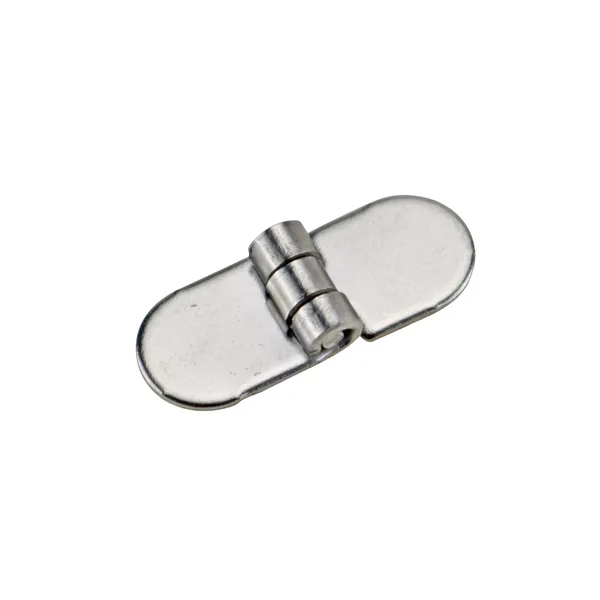
Bisagra redonda soldable de acero inoxidable 304
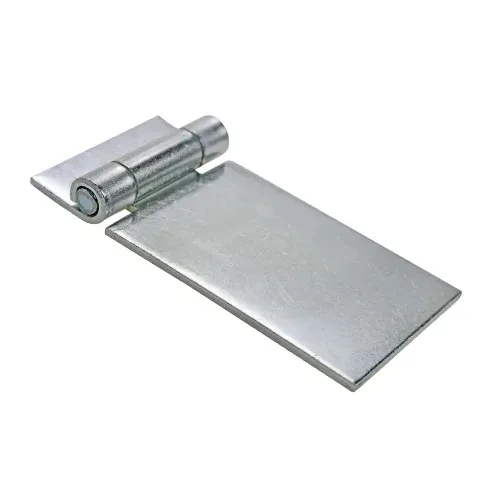
Bisagra industrial soldable para puertas metálicas
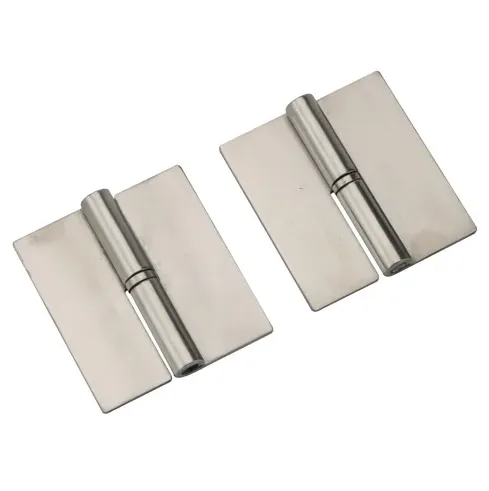
Bisagra de elevación soldada higiénica para equipos industriales
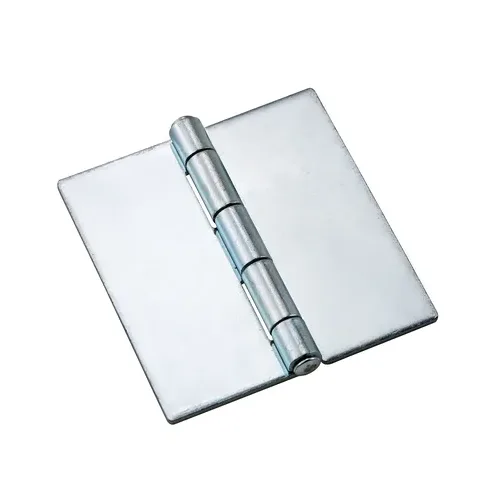
Bisagra soldable sin orificio de alta resistencia para camiones y armarios
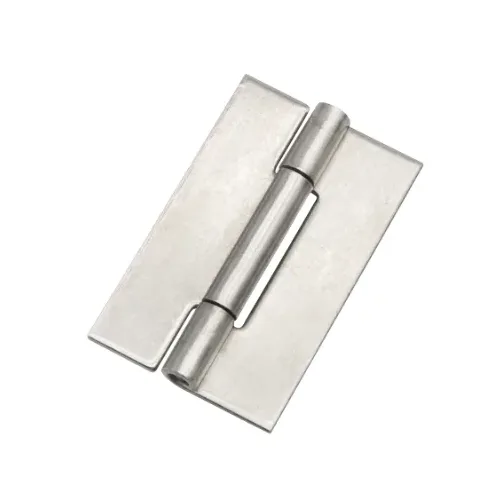
Bisagra soldada de acero inoxidable higiénico para equipos industriales
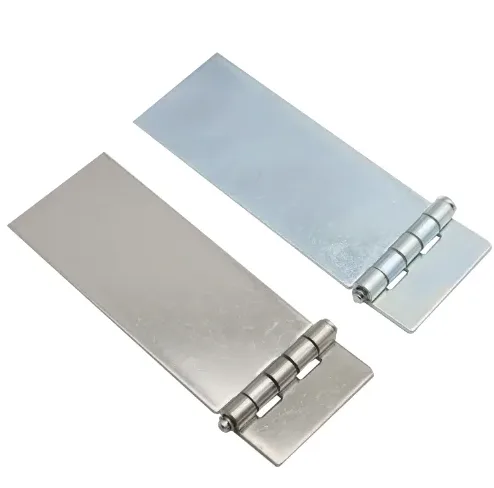
Bisagra de puerta soldada de alta resistencia de 185×65 mm

Bisagra soldada de alta resistencia de 183,5×65 mm
Bisagras soldadas Son bisagras de fijación permanente diseñadas para soldarse directamente al metal base de puertas, marcos, verjas y cerramientos estructurales, lo que elimina los orificios de fijación, las cabezas de los pernos y el riesgo de aflojamiento al que se enfrentan los elementos de fijación mecánicos ante vibraciones e impactos. La unión soldada se convierte en una unión metalúrgica continua, a menudo tan resistente como el propio acero circundante. HSP fabrica más de siete modelos de bisagras para soldar en tres variantes principales: bisagras para soldar a tope sin orificios (la configuración estándar), bisagras soldables desmontables con pasador extraíble y bisagras soldables de ala con hojas descentradas; todas ellas disponibles en acero inoxidable SUS 304 y acero laminado en frío SPCC, en longitudes que van desde diseños compactos de 25 mm hasta variantes de hoja larga de 185 mm.
Para los fabricantes de estructuras de acero, los fabricantes de puertas, los constructores de contenedores y los fabricantes de equipos originales (OEM) de maquinaria pesada, la elección de las bisagras para soldar depende de cuatro factores: la longitud necesaria de la hoja en función del tamaño de la puerta, la calidad del material adecuada al entorno de funcionamiento, la compatibilidad de la soldadura con el metal base y la elección entre configuraciones de soldadura a tope, soldadura con desmontaje o soldadura con lengüeta. Con más de 10 años de experiencia en el suministro de soluciones de bisagras industriales Para fabricantes de estructuras de acero, del sector naval, de puertas de seguridad y de maquinaria pesada (OEM), nuestro equipo de ingeniería adapta la geometría de las hojas, el material y la preparación de las soldaduras a cada aplicación, incluyendo dimensiones a medida para la producción de los fabricantes de equipos originales (OEM).
¿Qué son las bisagras para soldar?
Una bisagra para soldar tiene hojas planas sin orificios, diseñadas para soldarse directamente por fusión a la superficie del metal base. A diferencia de las bisagras atornilladas (que requieren orificios de montaje pretaladrados y elementos de fijación roscados), las bisagras para soldar se fusionan de forma permanente con el sustrato mediante soldadura MIG, TIG o con electrodo revestido, lo que da lugar a una unión metalúrgica continua tan resistente como el acero circundante.
Esta fijación permanente convierte a las bisagras soldadas en la opción estándar en la fabricación de acero pesado, la construcción de puertas estructurales, la fabricación de contenedores y remolques, y cualquier aplicación en la que los elementos de fijación mecánicos se aflojen debido a vibraciones continuadas, impactos o ciclos térmicos. La unión soldada también elimina las cabezas de los elementos de fijación externos, lo que proporciona una superficie exterior limpia e ininterrumpida, preferible por su aspecto estructural y mayor seguridad (no hay tornillos expuestos que se puedan retirar desde el exterior).
- Sin orificios de montaje: Láminas planas sin perforar, diseñadas exclusivamente para su instalación soldada. No es necesario taladrar, roscar ni utilizar elementos de fijación durante la instalación.
- Resistencia máxima de la unión: La unión soldada alcanza o supera la resistencia del metal base circundante, lo que convierte a las bisagras soldadas en el método de fijación de bisagras más resistente desde el punto de vista estructural.
- Resistencia a las vibraciones y a los golpes: No hay tornillos que se puedan aflojar bajo vibraciones prolongadas. Se recomienda su uso en equipos de minería, maquinaria agrícola, transporte pesado y aplicaciones en puertas estructurales.
- Limpiar la superficie exterior: Sin cabezas de fijación que sobresalgan ni tornillos a la vista: contribuye a la estética estructural y reduce el riesgo de manipulación indebida en armarios de seguridad y puertas exteriores.
- Compatibilidad con la soldadura: Modelos estándar compatibles con los procesos de soldadura MIG, TIG y con varilla (MMA). El material de aportación debe ser del mismo grado que la bisagra, lo cual es especialmente importante al soldar bisagras de acero inoxidable a sustratos de acero inoxidable.
- Materiales: Acero inoxidable SUS 304 (acabado cepillado, pulido por vibración o acabado espejo) para aplicaciones marítimas, maquinaria alimentaria y uso en exteriores; acero laminado en frío SPCC (galvanizado con zinc) para aplicaciones industriales en interiores y fabricaciones en las que el coste es un factor determinante.
Variantes de bisagras para soldar HSP
Las bisagras para soldar HSP no constituyen un único tipo de producto, sino que abarcan múltiples configuraciones estructurales para adaptarse a diferentes aplicaciones. En el catálogo, las principales variantes son:
- Soldadura pura sin orificios (tipo a tope): La configuración estándar: hojas planas y simétricas soldadas de forma permanente a la puerta y al marco, con el pasador fijado en el interior de la bisagra. HSP ofrece variantes compactas (25,4 mm), pequeñas (50 mm), medianas (81 mm) y de hoja larga (155 mm y 185 mm) en acero inoxidable SUS 304 y acero al carbono SPCC.
- Variantes de fijación por soldadura y desmontaje: Combina la fijación permanente mediante soldadura con un diseño de pasador extraíble, lo que permite retirar la puerta tras su instalación. Se utiliza cuando se requiere un montaje soldado estructuralmente, pero es necesario que la puerta se pueda retirar para su mantenimiento.
- Variantes de banderas para soldar: Combina la geometría de bisagra de hoja descentrada con fijación soldada —utilizada en puertas pesadas de acero, puertas de contenedores y cerramientos estructurales, donde el diseño del pasador vertical de la hoja permite una instalación sujeta por gravedad en estructuras soldadas—.
- Variantes de soldadura de hoja larga: Longitud de hoja ampliada (155–185 mm) para puertas de gran tamaño, paneles de contenedores y estructuras de portones en las que la carga se distribuye a lo largo de un cordón de soldadura extenso, lo que mejora la estabilidad de la alineación y la distribución de la carga.
- Acabados superficiales: Acabado cepillado, pulido por vibración, pulido a espejo (SUS 304) y galvanizado con zinc (SPCC): seleccionados para adaptarse al acabado de la estructura circundante y al entorno.
Aplicaciones comunes
- Puertas industriales y barreras de seguridad: Puertas pesadas de acero, puertas de vallas de seguridad y puntos de acceso perimetrales en los que los elementos de fijación mecánicos podrían ser manipulados o aflojados por impactos repetidos.
- Maquinaria y equipos pesados: Tapas de acceso, trampillas de inspección y puertas de paneles en maquinaria de la construcción, la minería y la agricultura: entornos con altas vibraciones en los que las uniones soldadas ofrecen mejores prestaciones que las uniones atornilladas.
- Fabricación de acero y cerramientos estructurales: Cajas fabricadas a medida, carcasas para generadores y armarios para transformadores, en los que la soldadura ya es una práctica habitual durante el proceso de fabricación.
- Estructuras marítimas y en alta mar: Puertas estancas, escotillas de cubierta y paneles de acceso en buques y plataformas marinas: las bisagras de soldar de acero inoxidable SUS 304 ofrecen resistencia a la corrosión en entornos con alta concentración de cloruro.
- Fabricación de contenedores y remolques: Puertas de contenedores de transporte, paneles de acceso de remolques frigoríficos y compartimentos de vehículos modificados, en los que las uniones soldadas resisten las vibraciones y las cargas de impacto propias de los trayectos de larga distancia.
- Aplicaciones de soldadura en maquinaria alimentaria: Equipos de acero inoxidable para la elaboración de alimentos en los que las bisagras soldadas de acero inoxidable SUS 304, con acabado cepillado o pulido, garantizan la higiene de las superficies al no dejar al descubierto las cabezas de los elementos de fijación.
- Aplicaciones de estilo «piano» de hoja larga: Puertas y tapas que requieren una fijación mediante soldadura de cordón largo: los modelos HSP de 155 mm y 185 mm admiten este tipo de instalaciones de fijación continua.
Cómo elegir una bisagra para soldar
La selección de bisagras para soldar requiere ajustar la longitud de la hoja al tamaño de la puerta, el tipo de material al entorno y la elección de la variante (a tope, desmontable o en bandera) a los requisitos de funcionamiento. La preparación de la soldadura y la compatibilidad del material de relleno también son fundamentales, especialmente al soldar bisagras de acero inoxidable a sustratos de acero inoxidable.
- Longitud de la hoja y tamaño de la puerta: Adapta la longitud de las hojas a la altura y el peso de la puerta. Hojas compactas de 25 mm y 50 mm para pequeños paneles de acceso y cajas de instrumentos; hojas medianas de 81 mm para aplicaciones estándar en armarios y puertas; hojas de 155–185 mm de longitud para puertas grandes, paneles de contenedores y estructuras de puertas que soportan carga.
- Selección de variantes: Elija la soldadura a tope pura para puertas permanentes no desmontables; la soldadura desmontable cuando la puerta deba poder desmontarse tras la soldadura estructural; y la soldadura en forma de bandera para instalaciones con hojas descentradas en puertas pesadas y estructuras de contenedores.
- Calidad del material: Acero inoxidable SUS 304 para entornos marinos, maquinaria alimentaria, exteriores y entornos sujetos a lavado a presión; acero laminado en frío SPCC con galvanizado de zinc para aplicaciones industriales en interiores y para la producción en serie en la que el coste es un factor determinante. El tipo de material debe coincidir con el del metal base para garantizar la compatibilidad en la soldadura.
- Método de soldadura y material de aportación: Las bisagras HSP para soldar son compatibles con los métodos de soldadura MIG, TIG y con electrodo revestido. El material de aportación debe ser compatible con el grado de la bisagra, lo cual es especialmente importante en uniones de acero inoxidable con acero inoxidable, donde los materiales de aportación diferentes pueden provocar corrosión en la interfaz de la soldadura.
- Número de bisagras por puerta: Distribuye la carga entre varias bisagras en el caso de puertas grandes o pesadas; lo habitual es utilizar dos bisagras para puertas de tamaño medio y tres o más para puertas pesadas y paneles de gran envergadura.
- Diámetro del pasador: El diámetro del pasador debe ajustarse al peso de la puerta y a las expectativas de ciclo de vida. Los pasadores de mayor diámetro ofrecen una mayor capacidad de carga y una vida útil más larga en condiciones de uso intensivo.
Verificación de la calidad
Cada lote de bisagras para soldar se somete a una inspección dimensional en 2D —en particular, la planitud de la hoja y la concentricidad del pasador, ambas fundamentales para una alineación precisa tras la soldadura—. Los ensayos de tracción y de carga verifican la resistencia del pasador; los ensayos de ciclos de fatiga en bancos de pruebas específicos confirman el funcionamiento a largo plazo bajo movimientos repetidos. Se realizan ensayos de niebla salina según la norma ASTM B117 en las variantes de acero inoxidable SUS 304 y galvanizadas con zinc para aplicaciones marinas y al aire libre. La inspección del acabado superficial confirma la uniformidad en todas las variantes de acero inoxidable en las que podría no ser posible el pulido tras la instalación.
Bisagras para soldar frente a bisagras industriales para atornillar
Bisagras soldadas crear una unión metalúrgica permanente —ideal para aplicaciones en las que la máxima resistencia de la unión, la resistencia a las vibraciones y la resistencia a la manipulación son fundamentales—. Bisagras de alta resistencia para atornillar utilizar elementos de fijación mecánicos, que se eligen cuando la instalación in situ, la facilidad de sustitución y la capacidad de ajuste son más importantes que la permanencia de la unión.
| Factor de selección | Bisagras soldadas | Bisagras industriales atornillables |
|---|---|---|
| Método de fijación | Soldado (unión metalúrgica permanente) | Atornilladas (sujeciones mecánicas) |
| Fuerza articular | Igual que el acero circundante | Limitado por el tamaño del elemento de fijación y la pretensión |
| Resistencia a las vibraciones | No hay tornillos que se puedan aflojar | Requiere el uso de productos fijadores de roscas o arandelas de seguridad |
| Instalación | Se requieren conocimientos de soldadura y equipo de soldadura | Herramientas manuales estándar, instalación más rápida in situ |
| Sustitución de campos | Es necesario cortar y volver a soldar | Sustitución directa: desenrosca y sustituye |
| Seguridad / manipulación indebida | No se puede quitar sin cortarlo | Los elementos de fijación a los que se puede acceder se pueden retirar |
| Las mejores aplicaciones | Fabricación de acero, puertas, contenedores, sector naval | Puertas de armarios, protecciones para máquinas, paneles sustituibles |
Preguntas frecuentes
¿Qué es una bisagra para soldar?
Una bisagra para soldar cuenta con hojas planas sin orificios, diseñadas exclusivamente para soldarse directamente al metal base de puertas y marcos. A diferencia de las bisagras atornillables, las bisagras para soldar no tienen orificios de montaje: se fusionan de forma permanente con el sustrato mediante soldadura MIG, TIG o con electrodo, creando una unión metalúrgica continua.
¿Qué métodos de soldadura son compatibles con las bisagras para soldar HSP?
Las bisagras para soldar HSP son compatibles con los métodos de soldadura MIG, TIG y con electrodo revestido (MMA). El método adecuado depende del espesor del material base, del grado de la bisagra y del entorno de fabricación. El material de aportación debe coincidir con el grado de la bisagra, lo cual es especialmente importante en las uniones de acero inoxidable con acero inoxidable para evitar la corrosión en la línea de soldadura.
¿Hay bisagras para soldar disponibles en acero inoxidable?
Sí. HSP suministra bisagras para soldar de acero inoxidable SUS 304 para aplicaciones marítimas, maquinaria alimentaria, entornos con lavado a presión y exteriores, así como de acero laminado en frío SPCC (galvanizado con zinc) para aplicaciones industriales en interiores y para la producción en serie en la que el coste es un factor determinante. Asegúrate de que el material de relleno sea compatible con el grado de la bisagra para obtener una unión soldada adecuada.
¿Cuál es la diferencia entre una bisagra de soldar simple y una bisagra de soldar desmontable?
Una bisagra de soldar pura tiene un pasador fijo en el interior de la articulación; una vez soldada, la puerta no se puede desmontar sin cortarla. Una bisagra de soldar desmontable tiene un pasador extraíble que permite retirar la puerta tras su instalación, combinando así la resistencia estructural del montaje soldado con la comodidad de las puertas desmontables. Elige la bisagra de soldadura pura para instalaciones permanentes; elige la bisagra de soldadura desmontable cuando la puerta deba poder desmontarse para su mantenimiento.
¿Se pueden utilizar bisagras para soldar en estructuras de aluminio?
Soldar bisagras de acero directamente sobre aluminio requiere técnicas especializadas de soldadura de metales diferentes y puede que no se consiga una unión fiable. Para estructuras de aluminio, especifica bisagras de aluminio para soldar o utiliza bisagras atornillables con elementos de fijación compatibles con el aluminio. Ponte en contacto con nuestro equipo de ingeniería para obtener asesoramiento específico sobre aplicaciones con aluminio.
¿Qué longitud de hoja debo elegir?
Adapta la longitud de la hoja al tamaño de la puerta: compacta (25 mm y 50 mm) para paneles de acceso pequeños y cajas de instrumentos; mediana (81 mm) para aplicaciones estándar en armarios y compuertas; 155–185 mm de hoja larga para puertas grandes, paneles de contenedores y soldaduras estructurales de cordón largo, en las que la distribución de la carga a lo largo de una junta soldada larga mejora la estabilidad de la alineación.
¿Se pueden personalizar las bisagras para soldar para la producción OEM?
Sí. Para los pedidos OEM, se ofrecen dimensiones personalizadas de las hojas, diámetro de los pasadores, geometría de las articulaciones, materiales y acabados superficiales. Los clientes deben proporcionar planos o especificaciones de las muestras; estas suelen prepararse en un plazo de 10 días laborables. La cantidad mínima de pedido (MOQ) para la producción es de 1.000 unidades. Contacte con nuestro equipo de ingenieros para obtener asistencia técnica.