-
+86 13720060320
-
lanna@haitangs.com

Utahovací moment u kloubů pro ramenní držáky lékařských monitorů: Jak specifikovat
Rameno pro lékařský monitor vyžaduje kloub s torzním momentem – třecí kloub, který udrží displej v jakémkoli úhlu bez aretace nebo plynového pružinového mechanismu – a skutečným úkolem při výběru je sladit jeho přidržovací moment s celkovým zatížením, a poté ověřit, zda vydrží opakované denní nastavování a běžné čištění dezinfekčními prostředky. Volně se pohybující pant to nedokáže: obrazovka se posouvá, prohýbá nebo působí volně, což narušuje péči o pacienty a vede k reklamacím u výrobce. Na této stránce se dozvíte, co je třeba specifikovat konkrétně pro lékařské pouzdro; obecnější informace týkající se všech typů pantů najdete v našem průvodci na Jak vybrat průmyslový pant.
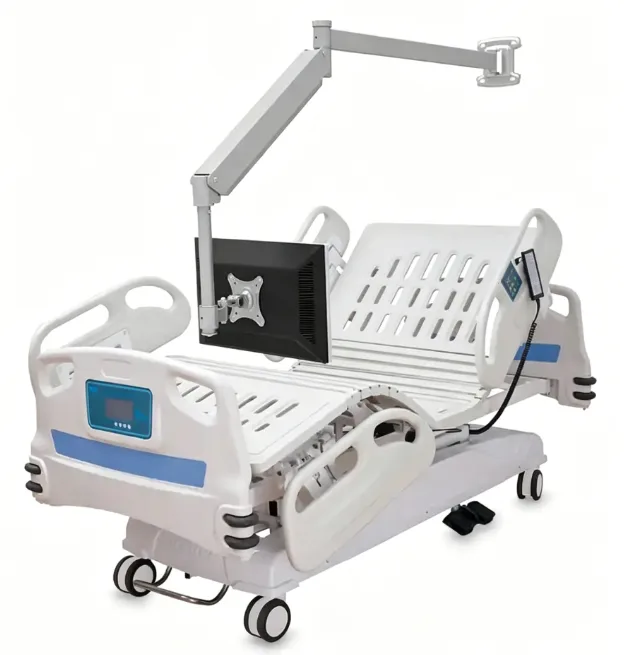
V nemocnici je rameno pro monitor součástí pracovního postupu, nikoli pouhým doplňkem. Sestra může během jedné směny desítkykrát měnit polohu monitoru u lůžka; obrazovka na operačním sále musí zůstat přesně tam, kde je nastavena; vozík pro telemedicínu se neustále přesouvá. Závěs musí udržet polohu, odolávat posunu a zůstat plynulý i po tisících cyklů – a zároveň snášet otírání dezinfekčními prostředky, které narušují povrchovou úpravu. Vzhledem k tomu, že displej je vyložen mimo otočný bod, je efektivní zatížení kloubu mnohem vyšší než čistá hmotnost obrazovky, takže specifikace musí odrážet celkový moment, nikoli hmotnost.
Stručný průvodce výběrem podle použití
Ne každé rameno pro lékařské monitory vyžaduje stejný kloub. Typ ramena je třeba zvolit podle konkrétního použití a následně jej přizpůsobit skutečnému zatížení a geometrii.
| Aplikace | Typická priorita | Běžný přístup k točivému momentu |
|---|---|---|
| Monitor u lůžka / na oddělení | Časté měnění polohy, příjemný pocit | Střední točivý moment, plynulý rozjezd; často nastavitelný |
| nebo / zobrazení postupu | Naprosto stabilní držení, bez posunu | Vyšší točivý moment, přesné řízení axiální vůle |
| Telemedicína / mobilní vozík | Pohyb, vibrace, čištění | Odolný materiál, odolný proti korozi, zachovává si svůj vzhled |
| Oddělení diagnostiky a zobrazovacích metod | Přesné polohování, dlouhá životnost | Stabilní křivka točivého momentu, vysoká cyklická stálost |
Vzhledem k tomu, že zatížení se v rámci jedné produktové řady často liší nebo se mění s vývojem programu, jsou u ramen pro lékařské monitory často používány nastavitelný momentový závěs takže cit lze přizpůsobit pro každou konkrétní sestavu – přičemž nastavení je zdokumentováno a uzamčeno, aby byly jednotky vždy konzistentní.
Co je třeba uvést (zdravotnické údaje)
Samotná hodnota točivého momentu ještě není specifikací. U ramen pro lékařské monitory je třeba určit hmotnost monitoru a jeho těžiště, délku ramene od otočného čepu k zátěži, požadovaný rozsah pohybu, přijatelný odpor při uvolňování, podmínky čištění a způsob upevnění. Dva parametry výkonu jsou zde důležitější než jinde:
- Odtrhový moment vs. provozní moment: Startovní moment je síla potřebná k zahájení pohybu, provozní moment je síla potřebná k jeho udržení. Je-li startovní moment příliš vysoký, působí pohyb paže trhaně; klesne-li provozní moment příliš nízko, obrazovka působí nestabilně. Pro klinické použití je plynulost a předvídatelnost stejně důležitá jako hodnota udržení.
- Axiální vůle: Pohyb ze strany na stranu v místě otočného čepu se na obrazovce projevuje viditelným chvěním, což vyvolává dojem, že zařízení není spolehlivé, a podkopává důvěru uživatelů. Přesné ovládání v místě otočného čepu je v lékařské praxi prioritou, nikoli pouhým luxusem.
Další dva faktory jsou společné pro všechny momentové klouby, proto je ověřte, ale zde je znovu nevyvozujte: životnost a zachování točivého momentu — pant musí po uplynutí předpokládaného počtu cyklů stále držet, nestačí, aby je pouze přežil (viz Průvodce životností kloubů s torzním momentem); a pevné vs. nastavitelné — pevně dané pro neměnný návrh, přizpůsobitelné pro vyvíjející se nebo variantní programy (viz pevné vs. nastavitelné vedení).
Kompatibilita s čištěním, montáž a vedení kabelů
Právě v tomto ohledu se lékařské ramena nejvíce liší od běžného vybavení. Rameno se opakovaně otírá nemocničními dezinfekčními prostředky, proto hraje roli povrchová úprava, odolnost proti korozi i materiály použité ve vnitřní konstrukci. Pro některé konstrukce je vhodný eloxovaný hliník, avšak nerezová ocel je obecně odolnější vůči agresivnímu čištění; pokovená ocel je nevhodnou volbou tam, kde se předpokládá pravidelné vystavení chemickým látkám. Požádejte dodavatele, aby výslovně uvedl, zda jsou materiály pantů kompatibilní s běžnými nemocničními čisticími prostředky – pokud je odpověď nejasná, riziko přechází na vás.
O tom, zda se rameno jeví jako pevné, rozhoduje způsob upevnění a vedení kabelů. Jakákoli vůle v upevňovacím systému (průchozí šroub, příruba nebo speciální držák) způsobuje viklání, které se jeví jako porucha kloubu, i když je kloub v pořádku. A protože ramena monitorů vedou video a napájení přes otočný čep, pant nemůže zabírat celý centrální prostor – naplánujte vedení kabelů hned na začátku, ne až po výběru pantu.
Kontroly dodržování předpisů a zadávání veřejných zakázek
U produktů pro zdravotnický průmysl má dokumentace stejnou váhu jako mechanické vlastnosti. Od dodavatele očekávejte prohlášení o shodě s normami RoHS a REACH, sledovatelnost materiálů a výsledky zkoušek týkající se udržení točivého momentu a odolnosti vůči vlivům prostředí. Označení “pro zdravotnické účely” není pouhým marketingovým sloganem – mělo by být podloženo údaji o materiálech a výsledky zkoušek. Při porovnávání dodavatelů se zeptejte: jaká je křivka točivého momentu v celém provozním rozsahu; jak funguje po opakovaných cyklech; jaké materiály jsou v třecím rozhraní; jak reaguje na čisticí chemikálie; je točivý moment pevný nebo nastavitelný; a dokáže dodavatel udržet kvalitu a objem v rámci celého programu? Skvělý pant, který nelze dodávat konzistentně, představuje riziko pro program, proto s ním zacházejte jako s komponentou s životním cyklem, nikoli jako s běžnou součástkou.
Chyby, které se v programech pro držáky monitorů opakují, jsou předvídatelné: nedostatečně dimenzovaný točivý moment (prohýbání při reálném používání), nadměrně dimenzovaný točivý moment (ztuhlost a nepříjemné pocity), zanedbané vedení kabelů (projevující se jako potíže s kloubem) a materiály, které se při čištění znehodnocují (ztráta točivého momentu nebo koroze). Pokud je kloub správně navržen, je neviditelný – uživatel posune obrazovku, pustí ji a ta zůstane na místě bez posunu, poklesu nebo viklání. Sdělte nám hmotnost monitoru, délku ramene, rozsah pohybu, cílový počet cyklů a postup čištění a náš tým inženýrů může přizpůsobit pant konkrétnímu použití.
ČASTO KLADENÉ DOTAZY
Proč musí mít ramenní držák pro lékařské přístroje kloub s torzním tlumičem namísto běžného kloubu?
Běžný kloub se volně otáčí a nedokáže udržet displej v nastaveném úhlu. Kloub s torzním třením vyvíjí kontrolované tření, takže monitor zůstává v nastavené poloze bez nutnosti aretace nebo plynového pístu, což je nezbytné v případě, že se obrazovka několikrát denně polohuje a nesmí se během péče posunout.
Jaký točivý moment musí mít kloub ramenního držáku pro lékařské monitory?
Záleží na hmotnosti monitoru, délce ramene od otočného bodu k zátěži a na tom, kolik kloubů se na zátěži podílí – rozhodující je celkový moment, nikoli pouze hmotnost obrazovky. Displej namontovaný daleko od otočného bodu vyžaduje mnohem větší točivý moment, než by naznačovala jeho hmotnost, proto je třeba volit velikost na základě geometrie, nikoli hmotnosti.
Jsou kloubové závěsy pro ramenní držáky lékařských monitorů odolné proti znečištění?
To je možné, pokud je materiál vhodný pro daný dezinfekční postup. Nerezová ocel je při opakovaném čištění v nemocničním prostředí obecně odolnější než pozinkovaná ocel. Požádejte dodavatele o potvrzení kompatibility materiálu s běžnými čisticími prostředky a o poskytnutí prohlášení o shodě s nařízeními RoHS a REACH.
Mělo by mít rameno pro lékařský monitor pevný nebo nastavitelný kloub?
Nastavitelný utahovací moment je běžný, protože hmotnost a pocit při ovládání se v rámci jedné produktové řady často liší nebo se mění s vývojem programu, a pant lze tak přizpůsobit konkrétní verzi. Použijte pevně nastavený utahovací moment, pokud je konstrukce finální a u všech kusů je vyžadován stejný pocit při ovládání. Veškerá nastavitelná nastavení zdokumentujte a uzamkněte, aby byly všechny kusy konzistentní.