Teksto pavyzdys
- +86 13720060320
- lanna@haitangs.com

Mini / kompaktiški sukimo momento vyriai
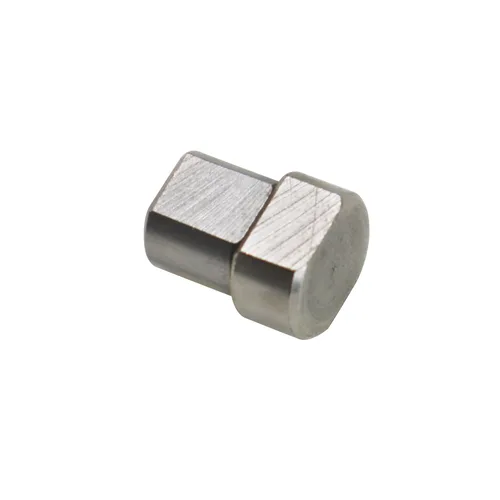
Mini sukimo momento lankstas 0,1-1,0 N-m staliniams šviestuvams
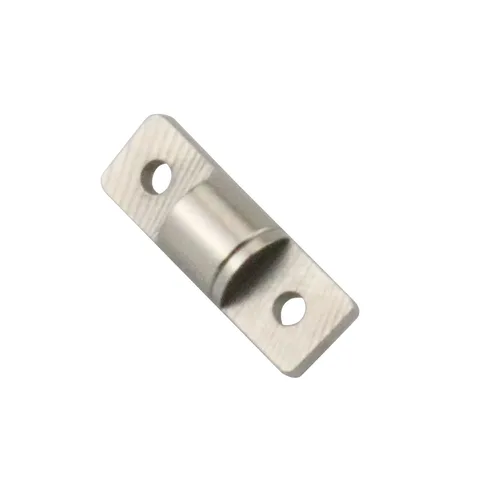
Tiesus amortizuojantis lankstas 0,1-2,0 N-m | Sklandus savaiminis padėties keitimas
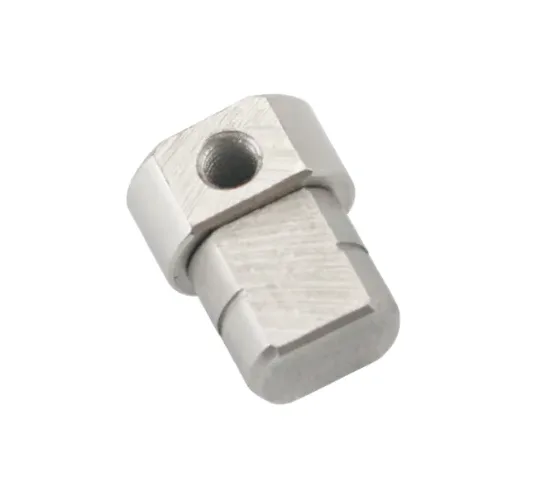
360° tikslaus sukimo momento lankstas kompaktiškiems įrenginiams
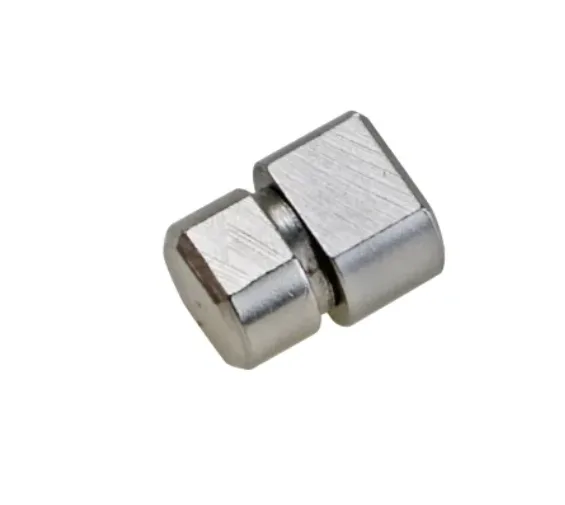
Stalinio šviestuvo sukimo momentas vyriai 0,1-0,9 N-m
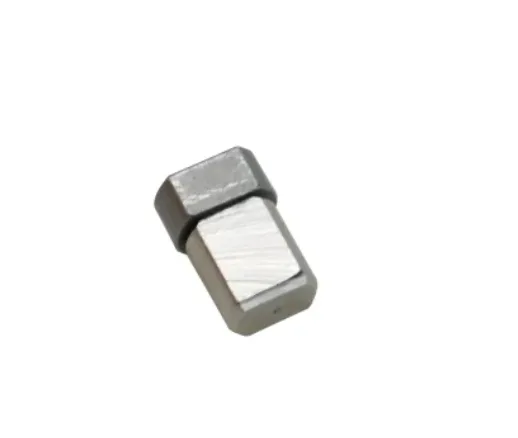
Paslėptas sukimo momento lankstas 0,3-0,8 N-m išmaniesiems įrenginiams
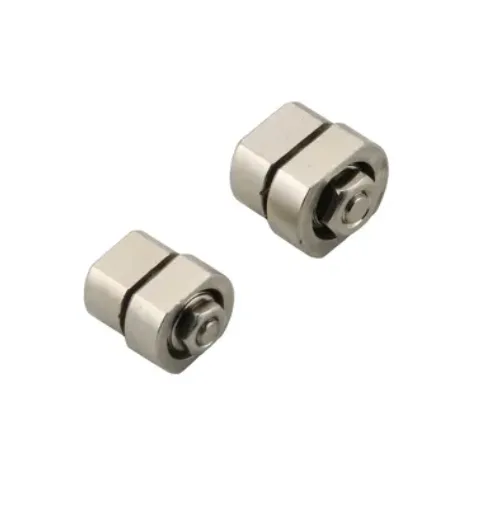
Didelio sukimo momento vyriai 1,3-3,3 N-m, skirti naudoti pramonėje
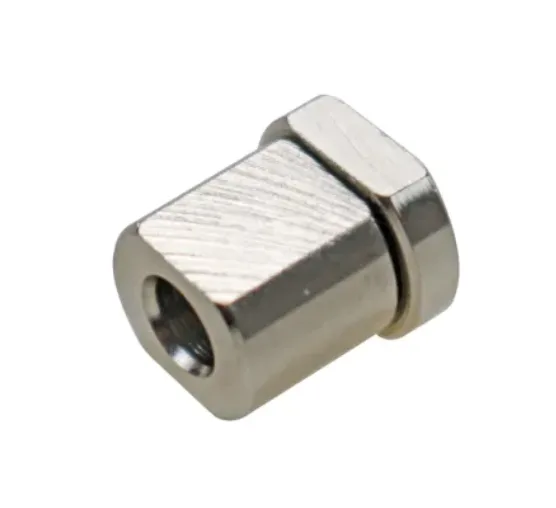
Kompaktiškas nikeliuotas sukimo momento lankstas išmaniesiems įrenginiams

360° sukimo momento lankstas 1,6-1,8 N-m (sklandus padėties nustatymas)

Mini amortizuojantis lankstas | 360° posūkis šviestuvams ir veidrodžiams

Spintos durų sukimo momentinis lankstas (tylus ir atsparus korozijai)

Kompaktiškas padėties nustatymo momentinis lankstas (18,2 × 29 mm)
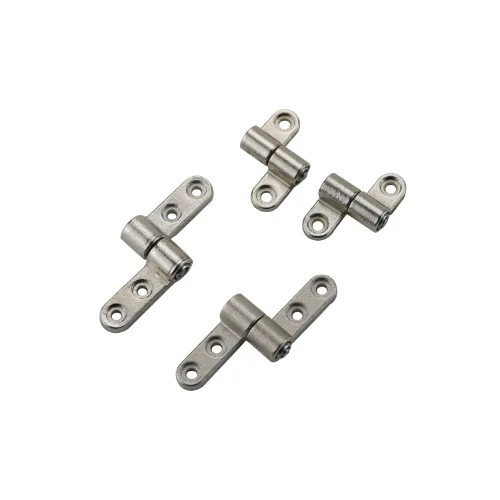
Cinko lydinio sukimo momento vyriai | 360° laisvas sustojimas | 0,2-0,4 N-m
Mini / compact torque hinges are space-constrained friction hinges engineered for portable devices, handheld instruments, and small-form-factor electronics where standard torque hinges are too large to fit. HSP manufactures 12+ mini hinge models with envelopes as small as Φ6.3 × 12 mm, torque ratings from 0.1 N·m to 2.0 N·m, and selectable torque resolution in 0.1 N·m increments — making them suitable for applications where both physical compactness and precise torque calibration are required.
For OEM design engineers working in tight enclosure envelopes — laptops, handheld scanners, portable medical devices, foldable displays — mini torque hinge selection is governed by three engineering constraints: maximum mounting envelope, required holding torque resolution, and material strength at small cross-sections. Drawing on 10+ years of supplying precision hinge solutions to consumer electronics, portable instrument, and handheld device OEMs, our engineering team matches small-form-factor geometry to the application — including custom dimensions, hole patterns, and torque calibration for OEM production.
What Are Mini / Compact Torque Hinges?
Mini torque hinges use the same friction-based holding principle as full-size torque hinges, but are engineered with precision-machined small-diameter pins, optimized friction surfaces, and high-strength materials to deliver reliable torque in a compact envelope. The miniaturization is not simply a scaled-down design — it requires specific material selection (such as SK7 spring steel or 1215 free-machining steel) and tight machining tolerances to maintain torque consistency at small cross-sections.
HSP mini torque models include cylindrical micro-pin designs (Φ6.3 × 12 mm), L-shape miniature hinges (18 × 6 mm and 34.5 × 15.5 mm variants), and bracket-mounted compact hinges (29 × 19 × 8 mm) with left and right-hand mounting orientations. Standard torque values are available in fine increments — typically 0.1 N·m resolution — allowing OEM designers to match torque demand precisely to the panel weight and operating geometry.
- Compact envelope: Smallest models start at Φ6.3 × 12 mm. L-shape and bracket variants extend up to approximately 34.5 mm in length, all under 20 mm in width.
- Fine torque resolution: Standard catalog torque values from 0.1 N·m to 2.0 N·m, with 0.1 N·m increments available on selected models — enabling precise matching to lightweight panel applications.
- Material selection for small cross-sections: SK7 spring steel for applications requiring elastic recovery and fatigue resistance; 1215 free-machining steel for high-volume precision-machined parts; nickel-plated finish across the range for corrosion resistance.
- Left and right-hand variants: Selected bracket-mounted models available in mirrored L/R configurations for symmetric mounting in handheld and portable enclosures.
- Mounting hole patterns: Standard Φ2.0 mm, Φ3.2 mm, and Φ4.3 mm mounting holes — matched to common M2, M3, and M4 fastener sizes used in compact electronics.
- OEM pritaikymas: Custom dimensions, mounting patterns, and torque values available for production runs.
Bendros programos
- Portable and handheld electronics: Handheld scanners, barcode readers, portable test instruments, and rugged handheld terminals where the hinge must fit within ergonomic envelopes.
- Compact consumer devices: Foldable display supports, digital photo frame stands, smart speaker flip covers, and portable game controllers.
- Portable medical and laboratory equipment: Portable patient monitors, handheld ultrasound devices, point-of-care diagnostic instruments, and portable analyzers.
- Compact industrial HMI panels: Small operator interfaces, control modules, and inspection devices where panel space is limited.
- Mobile communication and security: Handheld radios, intercom panels, compact security cameras, and access control terminals.
- Folding accessories: Foldable keyboards, tablet stands, compact tripods, and portable display supports.
How to Choose a Mini Torque Hinge
Mini torque hinge selection starts with the mounting envelope constraint, then matches torque resolution to the lightweight panel load. Standard sizing rules used for larger hinges do not always apply — at small cross-sections, material strength and machining precision become more critical than envelope dimensions alone.
- Mounting envelope: Measure available length, width, and thickness in the enclosure. For envelopes under 15 mm, consider Φ6.3 cylindrical models; for 18–34 mm length envelopes, L-shape and bracket variants are typically suitable.
- Būtinas laikymo momentas: Calculate from panel weight × distance from rotation axis. For panels under 200 grams, 0.1–0.5 N·m is typically sufficient; for 200–800 gram panels, 0.5–2.0 N·m is the standard range.
- Torque resolution: Mini applications often need finer torque tuning than larger hinges. Selected models offer 0.1 N·m increment selection across the catalog range.
- Medžiagų pasirinkimas: SK7 spring steel for applications with repeated flex or vibration exposure; 1215 carbon steel for high-volume cost-sensitive applications; nickel-plated finish for general corrosion resistance.
- Montavimo orientacija: Confirm whether the application needs left-hand, right-hand, or symmetric mounting — particularly for handheld devices where hinge orientation affects user grip.
Kokybės tikrinimas
Mini torque hinges are validated through in-house torque calibration (±5% tolerance on calibrated models), fatigue cycle testing on dedicated test rigs, 2D dimensional inspection of small-feature parts including pin diameter and hole pitch, and salt spray testing where applicable. Precision dimensional control is particularly important for mini hinges, where tolerance stack-up affects torque consistency more significantly than in larger products.
Mini Torque vs Standard Torque Hinges
Mini / compact torque hinges are specified when enclosure envelope is the primary design constraint and panel loads are light. Standard adjustable ir pastovaus sukimo momento vyriai are preferred when space is available and higher torque values (above 2 N·m) are required.
| Atrankos veiksnys | Mini / kompaktiškas sukimo momentas | Standard Torque |
|---|---|---|
| Typical envelope | Φ6.3 mm to 34.5 × 15.5 mm | 50–150 mm length typical |
| Sukimo momento diapazonas | Nuo 0,1 N-m iki 2,0 N-m | Nuo 0,5 N-m iki 20+ N-m |
| Sukimo momento skiriamoji geba | Galimi 0,1 N-m žingsniai | Standartiniai žingsnių intervalai |
| Bendrosios medžiagos | SK7 spyruoklinis plienas, 1215 anglinis plienas, nikeliuotas | SUS 304 nerūdijantis, cinko lydinys |
| Geriausiai tinka | Nešiojamieji prietaisai, nešiojamieji instrumentai, kompaktiška elektronika | Pramoniniai skydai, įrangos durys, spintų dangčiai |
| Montavimas | M2 / M3 / M4 tvirtinimo detalės, dažnai L/R orientacijos | M5 ir aukštesni, įprastas simetrinis montavimas |
OEM pritaikymas
Mini sukimo momento vyriai paprastai kuriami kaip nestandartiniai OEM sprendimai, nes nešiojamųjų prietaisų korpusų konstrukcijos dažnai turi unikalių montavimo apribojimų. Klientai pateikia brėžinius arba pavyzdžių reikalavimus; mūsų inžinierių komanda patvirtina galimybes, per maždaug 10 darbo dienų parengia pavyzdžius ir palaiko serijinę gamybą nuo 1 000 vienetų MOQ. Pasirinktiniai matmenys, montavimo angų modeliai, sukimo momento vertės ir paviršiaus apdaila - visa tai galima reguliuoti kūrimo etape.
Dažnai užduodami klausimai
Koks mažas gali būti mini dinamometrinis lankstas?
HSP standartiniai cilindriniai mini sukimo momento modeliai prasideda nuo Φ6,3 × 12 mm. Atsižvelgiant į reikiamą sukimo momentą ir medžiagą - tai patvirtinama OĮG specifikacijų etape - galima sukurti užsakomuosius modelius mažesniems apvalkalams.
Kokias sukimo momento vertes galima pasirinkti?
Standartinės sukimo momento vertės svyruoja nuo 0,1 N-m iki 2,0 N-m. Pasirinktuose modeliuose galima pasirinkti 0,1 N-m žingsnį, pavyzdžiui, HG11-001-1 cilindrinių modelių serijoje yra 10 sukimo momento žingsnių nuo 0,1 iki 1,0 N-m.
Kodėl mini dinamometriniai vyriai gaminami iš SK7 arba 1215 plieno, o ne iš nerūdijančio plieno?
Esant mažiems skerspjūviams, medžiagos stiprumas, apdirbamumas ir atsparumas nuovargiui turi didesnę reikšmę nei vien korozija. SK7 spyruoklinis plienas užtikrina elastingą atsistatymą daugkartiniam lenkimui; 1215 anglinis plienas užtikrina griežtą tikslų apdirbimą didelės apimties gamybai. Nikelio padengimas užtikrina apsaugą nuo korozijos visoje gamoje.
Ar galiu pritaikyti mini sukimo momento vyrį savo gaminiui?
Taip. Klientai pateikia brėžinius arba pavyzdžių reikalavimus; pavyzdžiai paprastai paruošiami per 10 darbo dienų. Gamybos MOQ prasideda nuo 1 000 vienetų užsakomųjų konfigūracijų. Galima reguliuoti pasirinktinius matmenis, montavimo modelius ir sukimo momento vertes.
Ar siūlote kairės ir dešinės pusės mini vyrius?
Taip, pasirinktus ant laikiklių tvirtinamus modelius galima rinktis su veidrodinėmis L/R konfigūracijomis, kad būtų galima simetriškai montuoti rankiniuose ir nešiojamuosiuose korpusuose. Užsakydami pavyzdžius pasitikslinkite orientacijos reikalavimus.
Ar galite rekomenduoti mini sukimo momento lankstą, atsižvelgiant į mano taikomąją programą?
Taip. Nurodykite galimą montavimo plotą, skydo svorį, reikiamą atidarymo kampą, numatomą ciklų skaičių ir darbo aplinką. Galime rekomenduoti standartinį modelį arba sukurti individualų sprendimą. Susisiekite su mūsų inžinierių komanda techninę pagalbą.