サンプルテキスト
- +86 13720060320
- lanna@haitangs.com

トルク調整可能ヒンジ
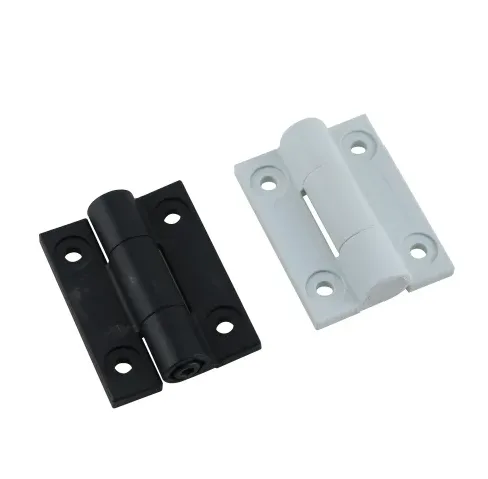
軽量プラスチック製トルクヒンジ <1.5N・m|静音・耐腐食性
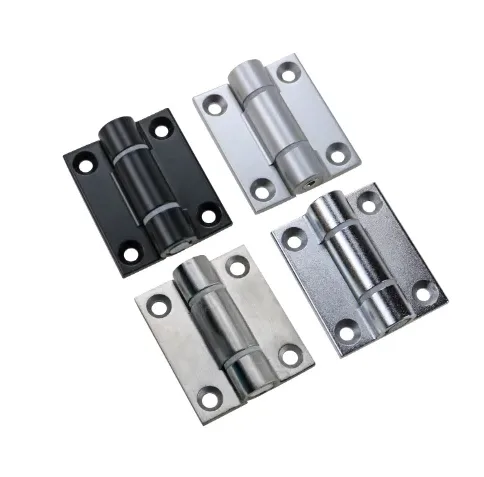
コンパクトな調整可能トルクヒンジ ≤2.0 N-m
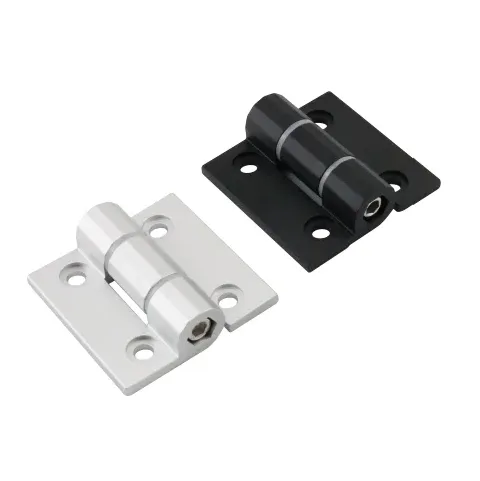
ADC 調節可能トルクヒンジ ≤2.0 N-m
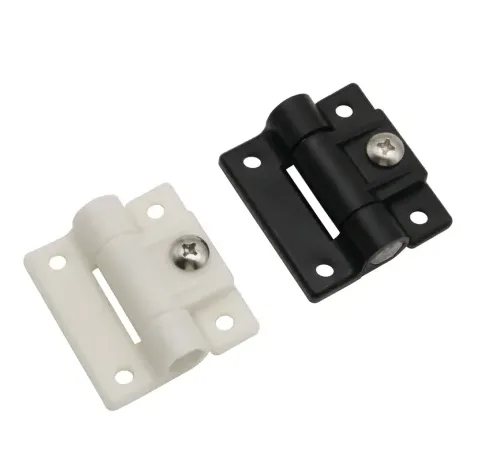
調整可能PA6プラスチックトルクヒンジ270
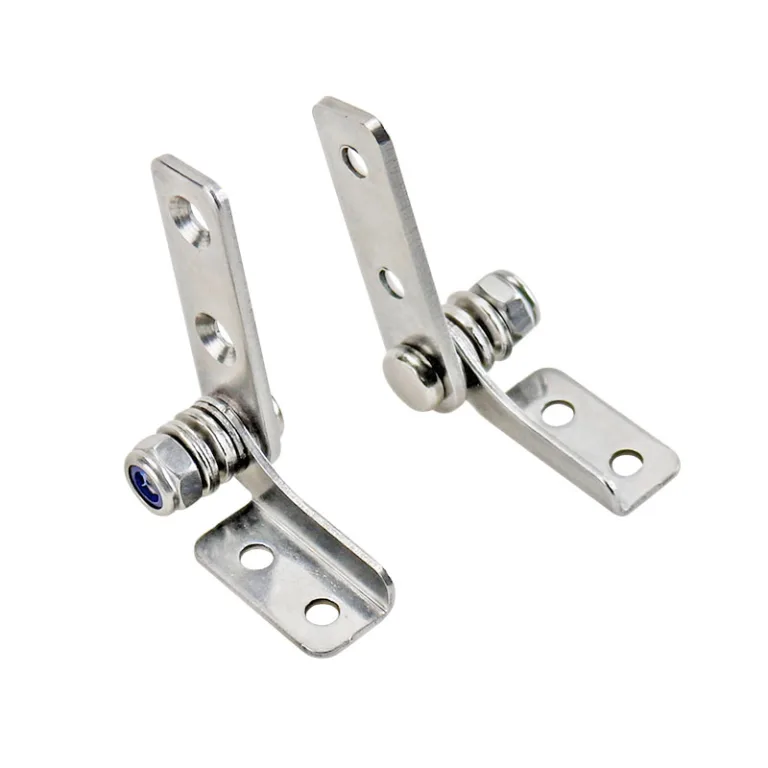
調整可能ステンレス鋼トルクヒンジ168°|左右オプション
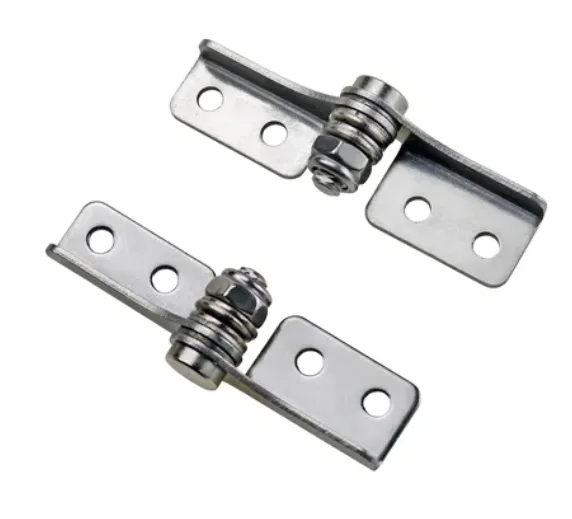
ステンレス鋼キャビネットトルクヒンジ|調節可能な摩擦ヒンジ
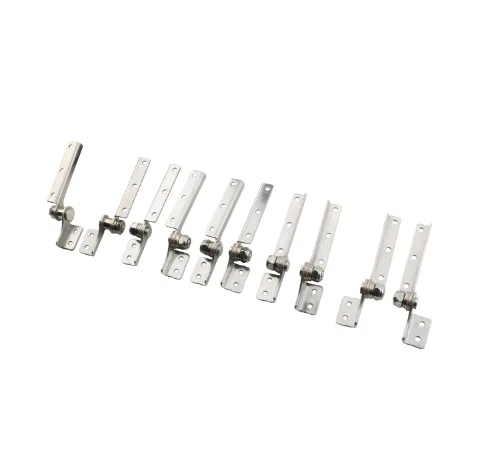
リッド&フリップアップパネル用ヘビーデューティ可変トルクヒンジ
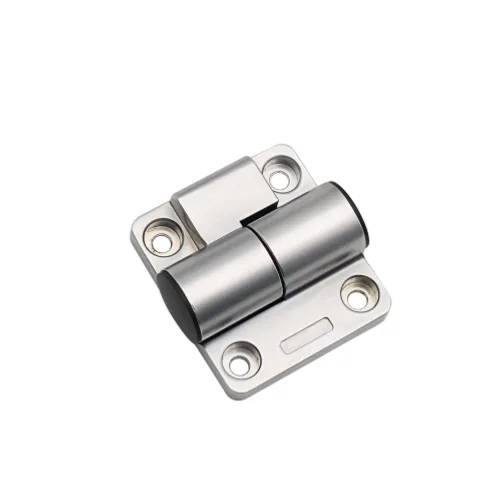
亜鉛合金フラットトルクヒンジ|112°|最大2.0N-m
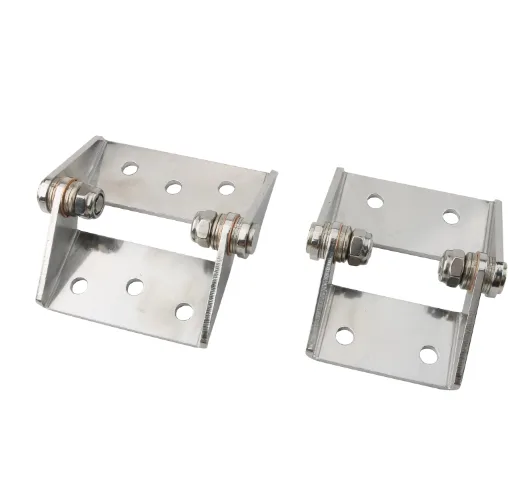
機器キャビネットトルクヒンジ|フリーストップ|最大15 N-m
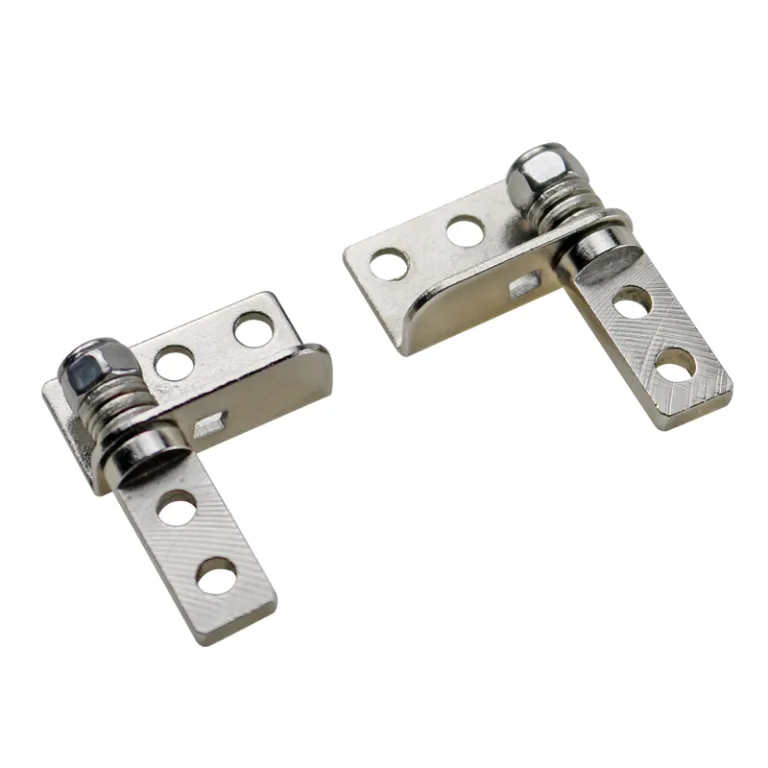
炭素鋼L型トルクヒンジ|フリーストップ|1.0~1.5N・m
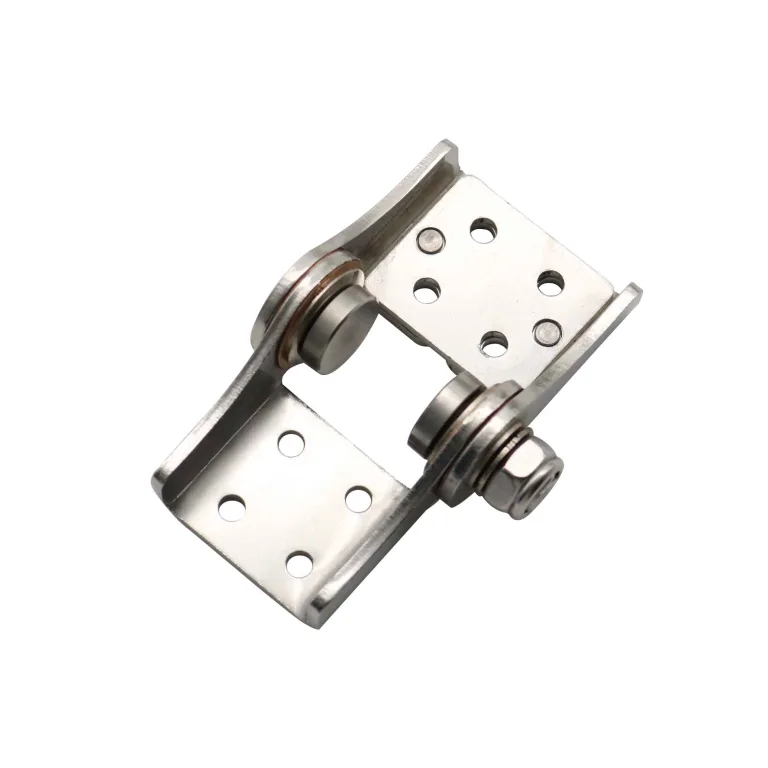
フリーストップトルクヒンジ 4.0-10.0N・m|調整可能
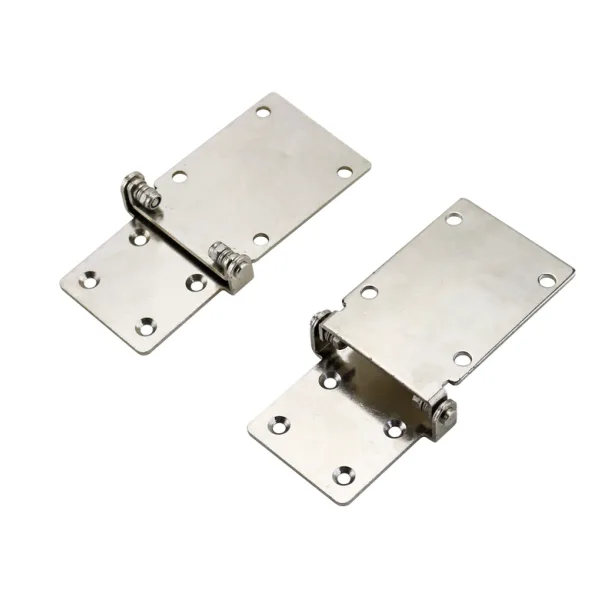
フリップストップトルクヒンジ 3.0N・m|工業用ドア&パネル
Adjustable torque hinges are friction-based hinge mechanisms that allow door, lid, or panel position to be held at any angle along the rotation path — with the holding torque adjustable through a set screw or tensioning mechanism. They are specified where free-stop positioning, weight compensation, and tactile control matter more than simple rotation. HSP manufactures 40+ adjustable torque models with torque ranges from 0.35 N·m to 20 N·m on standard catalog products, and custom torque ratings from 0.1 N·m to 25 N·m on OEM orders.
For OEM engineers, adjustable torque hinge selection is governed less by appearance and more by three engineering factors: torque retention over cycle life, torque tolerance consistency between units, and adjustment range. Drawing on 10+ years of supplying torque hinge solutions to OEMs across industrial equipment, medical positioning devices, electronics enclosures, and instrument panels, our engineering team can match torque, mounting geometry, and material to the specific application.
What Are Adjustable Torque Hinges?
Adjustable torque hinges use a friction mechanism — typically tensioned washers, friction discs, or spring-loaded elements — to create resistance during rotation. Unlike standard hinges (which rotate freely) or constant torque hinges (which provide a fixed friction value), adjustable models allow the end-user or installer to tune the holding force on-site using a set screw or adjustment nut.
This adjustability is essential when the load on the hinge varies — for example, when a panel is fitted with additional accessories after installation, or when the same hinge design needs to support different weights across product variants. HSP adjustable torque hinges hold position reliably from 0° to the maximum opening angle, with verified torque retention across the rated cycle life.
- トルク範囲: Standard models cover 0.35 N·m to 20 N·m. Custom OEM ratings available from 0.1 N·m to 25 N·m.
- Torque tolerance: Production tolerance held to ±5% on calibrated models — verified on our in-house torque testing equipment.
- Cycle life: Standard adjustable torque models are designed and tested for 10,000 to 20,000 cycles depending on torque rating and configuration.
- Hinge geometries: L-shape, butterfly, I-shape, flat-mount, dual-axis, and rotary spindle configurations — selectable based on mounting constraints.
- オープニングアングル: From 90° detent designs through 168°, 190°, 193°, 196° wide-open variants, up to 360° rotary spindle models.
- Materials: SUS 304 stainless steel (mirror or brushed finish) and zinc alloy (chrome-plated, matte, or black finish) — selected by environment and load.
一般的なアプリケーション
- Industrial equipment panels and HMIs: Operator panels, control screens, and inspection access doors that need to hold position during maintenance and operation.
- Medical positioning devices: Monitor arms, display mounts, and equipment covers where free-stop positioning and smooth adjustment are required.
- Electronics and instrument enclosures: Laptop hinges, instrument lids, oscilloscope covers, and test equipment displays.
- セルフサービスのキオスクと端末: ATMs, ticketing machines, POS terminals, and self-checkout displays that need stable angle retention.
- 業務用電化製品: Combi ovens, professional refrigerators, and food-service equipment doors and panels.
- Laboratory and test equipment: Incubator covers, analyzer access panels, and environmental chamber lids.
How to Choose an Adjustable Torque Hinge
Adjustable torque hinge specification requires balancing torque, geometry, life, and material. The right starting point is the lid or panel weight and rotation axis — not the catalog appearance.
- 必要な保持トルク: Calculate torque demand from panel weight × distance from hinge axis. Specify a holding torque 30–50% above calculated demand to allow for accessory load and torque aging.
- Adjustment range: Confirm whether the application needs factory-set torque (fixed) or end-user adjustability (set screw access).
- Cycle life requirement: Match expected cycles per year to the rated life. Standard adjustable torque hinges are rated for 10,000–20,000 cycles; higher-cycle requirements need custom engineering.
- Mounting geometry: L-shape for side-mounted panels, butterfly for symmetric doors, I-shape for tight clearances, rotary spindle for 360° applications, dual-axis (tilt + swivel) for multi-direction adjustment.
- 素材と仕上げ SUS 304 for outdoor, washdown, or visible finish applications; zinc alloy for cost-sensitive indoor use.
品質検証
Each adjustable torque batch is validated through in-house torque calibration testing (±5% tolerance verification), fatigue cycle testing on dedicated test rigs (rated 10,000–20,000 cycles depending on model), 2D dimensional inspection, and salt spray testing per ASTM B117 where applicable. Test reports are available on request for OEM projects.
Adjustable Torque vs Constant Torque Hinges
Adjustable torque hinges allow the holding force to be tuned after installation, making them suitable for applications where panel weight varies or end-user adjustment is needed. Constant torque hinges deliver a fixed, factory-set friction value that cannot be changed — preferred when consistency across thousands of units is more important than adjustability.
| 選択要因 | 調整可能トルク | コンスタント・トルク |
|---|---|---|
| Torque control | Field-adjustable via set screw | Factory-set, fixed |
| Standard torque range | 0.35–20 N·m (standard); 0.1–25 N·m (custom) | Fixed values per model |
| 代表的な使用例 | Variable-load panels, end-user adjustment needed | Fixed-load applications, mass production consistency |
| Cycle life | 10,000–20,000 cycles typical | Varies by design; often higher |
| 最高のアプリケーション | Industrial HMIs, medical positioning, kiosks, labs | Laptops, automotive interiors, consumer electronics |
OEMカスタマイズ
HSP supports custom adjustable torque hinge development for OEM production. Customers provide drawings or sample requirements; our engineering team confirms feasibility, prepares samples within approximately 10 working days, and supports volume production from 1,000 units MOQ. Custom torque values, mounting hole patterns, leaf dimensions, opening angles, and surface finishes are all adjustable. Production lead time and MOQ for specific configurations are available on request.
よくある質問
What torque range do HSP adjustable torque hinges cover?
Standard catalog models cover 0.35 N·m to 20 N·m. Custom OEM torque ratings from 0.1 N·m to 25 N·m are available on request, depending on hinge geometry and application.
How is the torque tolerance controlled in production?
Production torque tolerance is held to ±5% on calibrated models. Each batch is verified on in-house torque testing equipment before release.
What is the expected cycle life?
Standard adjustable torque models are designed and tested for 10,000 to 20,000 cycles, depending on torque rating and mounting configuration. Higher-cycle requirements can be discussed during OEM specification.
Can I customize an adjustable torque hinge based on my drawing?
Yes. Customers provide drawings or sample requirements; samples are typically prepared within 10 working days. Production MOQ starts from 1,000 units for custom configurations.
Should I choose adjustable or constant torque?
Choose adjustable if the panel load varies, if end-users need to tune the holding force, or if a single hinge design serves multiple product variants. Choose constant torque if the load is fixed and unit-to-unit consistency in mass production matters more than adjustability.
私の用途に合ったヒンジを紹介してもらえますか?
Yes. Please provide panel weight, panel dimensions, rotation axis, required opening angle, mounting space, operating environment, and expected cycle count. We can recommend a suitable model or develop a custom solution. お問い合わせ for engineering support.