-
+86 13720060320
-
lanna@haitangs.com

Závěsy pro těžké dveře skříní | Průvodce zatížením, rozestupy a montáží
Stručná odpověď: Pevné panty pro dveře skříní by se měly vybírat na základě momentu dveří, tuhosti montážní hrany, nosnosti pantů, rozteče pantů, vyrovnání os, volného prostoru pro otevírání a provozních podmínek – nikoli pouze na základě hmotnosti dveří. U dveří v plné výšce lze použít dva ověřené závěsy s vysokou nosností, více menších závěsů nebo řešení na míru v závislosti na kompletní sestavě dveří a rámu. Před zahájením výroby otestujte skutečnou sestavu z hlediska průvěsu, zasekávání, vyrovnání západky, kontaktu těsnění, deformace upevnění, vlivů přepravy a bezpečné mezery pro otevření.
Skříně pro akumulátory, kontejnerová pouzdra pro zařízení, rozvaděče, bateriové skříně a velké skříně pro rozvod elektrické energie často využívají přístupové dveře v plné výšce, které na osu pantů vyvíjejí značné zatížení.
Tyto dveře mohou být vybaveny izolací, výztuží, kontrolními okénky, filtry, zámky, ovládacími prvky, ventilačními prvky nebo dalším zařízením. Mohou být rovněž vystaveny povětrnostním vlivům, opakovaným zásahům při údržbě, vibracím při přepravě a zatížení větrem, pokud jsou otevřené.
Závěs, který správně funguje na malém elektrickém rozvaděči, nemusí fungovat stejně na vysokých a širokých dveřích skříně. Porucha nemusí vždy začínat zlomeným závěsem. Častěji se první příznaky objevují postupně:
- nerovnoměrné mezery mezi dveřmi;
- nesprávné vyrovnání západky;
- zvýšená uzavírací síla;
- snížený tlak na těsnění;
- škrábání v dolním rohu;
- uvolněné spojovací prvky;
- posun podél montážní hrany.
Tato příručka se zaměřuje konkrétně na mechanickou konstrukci dveří těžkých skříní: moment dveří, počet závěsů, rozestupy, vyrovnání, vyztužení, upevnění a ověření. Širší přehled typů průmyslových závěsů najdete v Jak vybrat průmyslový pant.
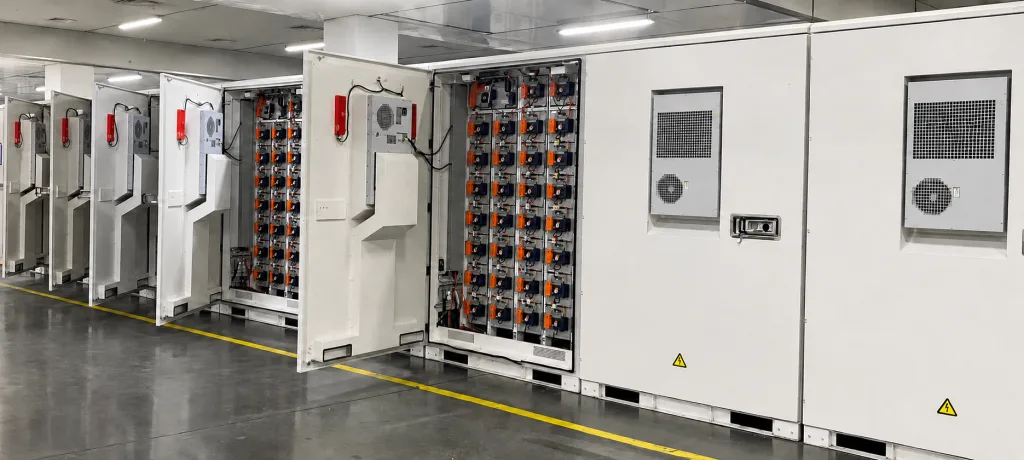
V čem se liší těžké dveře do skříní
Okamžik u dveří
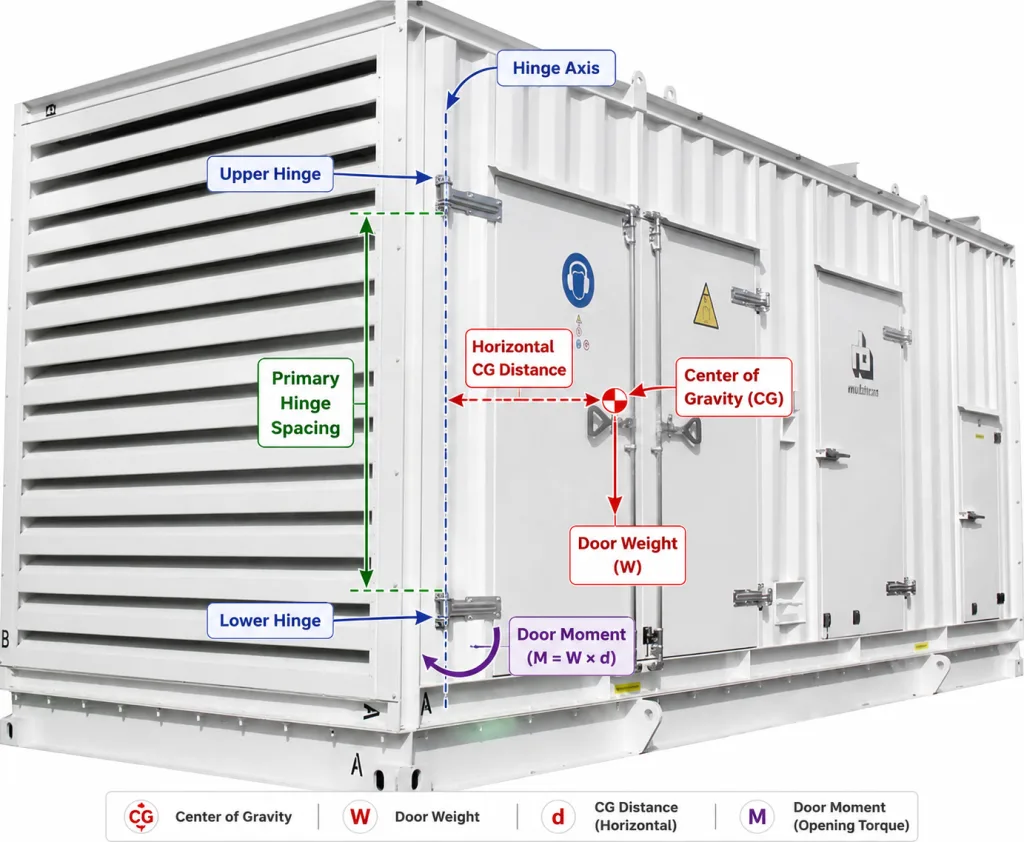
U širokých dveří leží těžiště dále od osy závěsu, což zvyšuje točivý moment působící na závěsy a upevňovací konstrukci.
Opakovaná operace
Okrajové uchycení může zpočátku fungovat správně, ale po opakovaném zásahu při údržbě se v něm postupně může objevit vůle, průvěs nebo problémy se seřízením.
Pevnost montážního okraje
I vysoce odolný pant namontovaný na tenké nebo nepodepřené hraně plechu může způsobit deformaci dveří nebo rámu.
Technická poznámka: Dveře, panty, upevňovací prvky, výztuž, rám, západka, těsnění a zařízení pro aretaci dveří v otevřené poloze tvoří jeden mechanický systém. Ani pevný pant nedokáže vykompenzovat slabou montážní hranu, zdeformovaný rám nebo nesprávnou osu pantu.
Zátěž závisí na momentu, nikoli pouze na hmotnosti
Celková hmotnost dveří je důležitá, ale je to pouze výchozí bod.
Konstrukce závěsů musí odolávat hmotnosti dveří působící ve vodorovné vzdálenosti od osy závěsu. S rostoucí šířkou dveří se jejich těžiště obvykle posouvá dále od osy závěsu, čímž se zvyšuje moment působící na závěsy, upevňovací prvky a montážní hranu.
Kompletní sestava dveří může zahrnovat:
- izolace;
- stínící panely;
- prosklená kontrolní okénka;
- zámky a kliky;
- ventilátorové nebo filtrační moduly;
- displeje a ovládací prvky;
- vnitřní výztuž;
- pomůcky pro uspořádání kabelů.
Tyto součásti mohou ovlivnit jak celkovou hmotnost, tak způsob, jakým náklad prochází konstrukcí vrat.
Nerovnoměrné vertikální rozložení hmotnosti může rovněž ovlivnit rozložení reakčních sil mezi horním a dolním kloubovým bodem. Dveře s těžkým zařízením namontovaným v blízkosti jednoho konce by proto měly být posuzovány jako kompletní sestava, nikoli jako prázdný panel.
Proto pravidlo typu “použijte vysoce odolný pant u dveří nad určitou hmotností” nestačí. Je třeba zohlednit také šířku dveří, těžiště, rozteč pantů, tuhost montážní hrany a konstrukci rámu.
Kolik pantů potřebují těžké dveře?
Přímá odpověď: Neexistuje žádný univerzální počet závěsů. Správný počet závisí na momentu dveří, nosnosti jednotlivých závěsů, rozteči závěsů, tuhosti montážní hrany, pevnosti rámu, frekvenci otevírání a zavírání, vibracích a výrobcem ověřeném uspořádání dveří a rámu.
U některých těžkých dveří skříní lze použít dva ověřené závěsy s vysokou nosností. Jiné dveře mohou kvůli své výšce, šířce, ohebnosti, namontovanému vybavení nebo provozním podmínkám vyžadovat tři nebo více závěsných bodů či řešení na míru.
Toto rozhodnutí by mělo zohlednit:
- celková hmotnost smontovaných dveří;
- vodorovná vzdálenost od osy pantu ke těžišti;
- výška dveří a tuhost konstrukce;
- horní a dolní poloha závěsu;
- požadavky na mezilehlé panty;
- vyztužení montážního okraje;
- očekávaná frekvence otevření;
- transportní vibrace a provoz v terénu.
Přidání dalších pantů automaticky nezvyšuje spolehlivost. Pokud nejsou osy pantů vzájemně vyrovnány, může většinu zatížení nést jeden nebo dva panty, zatímco další pant může způsobit zasekávání nebo dodatečné namáhání rámu.
Jakmile jsou definovány poloha dveří a montážní podmínky, porovnejte uspořádání s vhodnými průmyslové panty pro náročné podmínky namísto toho, aby se rozhodovalo pouze podle velikosti pantu nebo vzhledu.
Rozteč závěsů a rozložení zatížení
Rozteč pantů je stejně důležitá jako jejich počet.
Větší vzdálenost mezi hlavními horními a dolními body zavěšení může zvýšit odolnost dveří proti otáčení a prohýbání, pokud je montážní konstrukce dostatečně tuhá.
Stabilizaci mohou pomoci mezilehlé panty:
- vysoké dveře;
- ohybné hrany plechů;
- dveře, které se prohýbají pod vlastní vahou;
- dveře vystavené vibracím;
- dveře, které se často otevírají a zavírají.
Cílem však není pouze rozmístit všechny panty ve stejných rozestupech.
Polohy závěsů by měly být zvoleny tak, aby:
- rozložit hlavní zatížení v blízkosti pevných částí rámu;
- bránit otáčení dveří;
- omezení prohýbání okraje dveří;
- vyhněte se slabým výřezům nebo perforovaným místům;
- zachovat společnou osu závěsu;
- zachovat volný prostor pro západky a těsnění;
- vyhněte se vnitřním zařízením a kabelovým trasám.
U mnoha vysokých dveří působí na horní a dolní oblasti závěsů značné reakční síly, zatímco prostřední závěsy pomáhají regulovat lokální pohyb podél okraje dveří.
Uspořádání os určuje, zda se panty podílejí na přenosu zatížení
Více kloubů funguje společně pouze tehdy, jsou-li jejich osy v jedné linii.
Pokud je jeden pant vyčnívající, zapuštěný, zkroucený nebo namontovaný mimo osu:
- jeden pant může být zatížen více, než je určeno;
- další pant může mít jen velmi malý vliv;
- dveře se mohou při otevírání v polovině dráhy zaseknout;
- upevňovací prvky se mohou uvolnit;
- rám se může zdeformovat;
- může dojít ke změně vyrovnání západky.
Správné vyrovnání je třeba kontrolovat během celého pohybu, nikoli pouze v okamžiku, kdy jsou dveře zavřené.
Dveře se mohou u západky jevit jako správně vycentrované, ale přesto může docházet k odporu při úhlu 45°, 90° nebo jiném mezilehlém úhlu, protože panty nemají společnou osu.
Kontrola instalace: Zkontrolujte mezery mezi dveřmi a rámem na všech čtyřech stranách, když jsou dveře zavřené. Poté je pomalu otevřete do požadovaného úhlu. Zúžující se mezera, náhlý odpor, pohyb montážní hrany nebo změna polohy západky mohou naznačovat nesprávné vyrovnání nebo nedostatečnou konstrukční oporu.
Montážní konstrukce musí odpovídat závěsu
Nosnost závěsu se odvozuje od předpokladu, že je závěs připevněn ke konstrukci schopné unést dané zatížení.
Těžké dveře skříně mohou vyžadovat:
- silnější materiál podél linie pantu;
- místní opěrné desky;
- vytvořené výztužné kanály;
- vyztužené prvky rámu;
- svařované montážní konzoly;
- průchozí šrouby;
- větší nebo širší rozestupy upevňovacích prvků.
Instalace vysoce odolného pantu přímo na pružný plášť dveří může jednoduše přesunout místo poruchy z pantu na konstrukci skříně.
Mezi příznaky nedostatečné montážní hrany patří:
- vytlačené důlky kolem upevňovacích prvků;
- podlouhlé montážní otvory;
- popraskaný nátěr kolem pantu;
- trvalá deformace plechu;
- pohyb při zvedání dveří;
- změna vyrovnání západky.
Výztuž by měla rozložit zatížení na dveře a zárubeň, místo aby se soustředilo kolem malého počtu upevňovacích otvorů.
Svařované vs. šroubované panty pro těžké dveře skříní
Přímá odpověď: Těžké dveře mohou nést jak svařované, tak šroubované panty. Svařované uchycení zajišťuje tuhost a trvalou instalaci, zatímco šroubované uchycení umožňuje seřízení, výměnu a snazší údržbu.
Svařované panty
Svařované panty mohou zajistit pevné a trvalé spojení, pokud jsou dveře i rám navrženy pro svařování.
Mezi potenciální výhody patří:
- žádné upevňovací prvky, které by se mohly uvolnit;
- přímý přenos zatížení do rámu;
- kompaktní montáž;
- omezený přístup k vnějším upevňovacím prvkům.
Mezi možná omezení patří:
- tepelné deformace;
- poškození povrchové úpravy;
- nutné dodatečné úpravy po svařování;
- omezené nastavení;
- náročná výměna pole.
Na kvalitu svařování mají vliv poloha svaru, pořadí sváření, vnesené teplo, tloušťka rámu a ochrana proti korozi po svařování.
Šroubované panty
Šroubované panty nabízejí:
- snazší nastavení;
- jednodušší nahrazení pole;
- menší zkreslení způsobené teplem;
- jednodušší montáž po nanesení nátěru;
- snazší přístup pro údržbu.
Konstrukce se šroubovým spojem může unést i těžké dveře, pokud obsahuje:
- dostatečné vyztužení;
- dostatečné zapojení spojovacího prvku;
- vhodný roztečný vzor šroubů;
- ověřená metoda uzamčení;
- v případě potřeby umožnit přístup za účelem kontroly.
Tuto volbu je třeba provést již při návrhu krytu s ohledem na zatížení, způsob výroby, proces povrchové úpravy, strategii výměny a požadavky na údržbu v terénu.
Když standardní pant nestačí
Standardní závažní pant může být vhodný v případě, že geometrie dveří, montážní prostor, požadovaný úhel otevření a zatížení odpovídají stávajícímu ověřenému uspořádání.
Upravené nebo na míru vytvořené řešení může být nezbytné, pokud skříň vyžaduje:
- nestandardní tvar listu;
- omezený montážní prostor;
- neobvyklá poloha otočného čepu;
- konkrétní rozložení montážních otvorů;
- vyztužené svařované spojovací místo;
- vlastní počáteční zarážka;
- integrovaná funkce přidržení v otevřené poloze;
- speciální konstrukce odolná proti korozi;
- upevňovací systém navržený tak, aby vyhovoval stávajícímu kování skříněk.
Než začnete s výrobou nového nástroje, ověřte, zda stávající závažní pant dokáže splnit dané požadavky prostřednictvím úprav výztuže, montážní polohy, povrchové úpravy nebo geometrie rámu.
Pokud stávající sortiment výrobků nevyhovuje geometrii dveří nebo dráze zatížení, použijte řízený Proces vývoje zakázkových pantů namísto toho, aby se dveře upravovaly až poté, co již bylo dokončeno obrábění, svařování nebo povrchová úprava skříně.
Průhyb dveří nemá vliv jen na vzhled
Průhyb dveří není jen estetický problém.
Pokud se dveře posunou ze své polohy, může to způsobit:
- nesprávné vyrovnání západky a zámku;
- zvýšená uzavírací síla;
- škrábání po rámu;
- nerovnoměrné mezery mezi dveřmi;
- poškozený nátěr;
- snížený tlak na těsnění;
- obtížný přístup pro údržbu.
Prvním příznakem může být nepatrná změna v mezeře v horním rohu naproti linii pantu. Později může být nutné, aby technik dveře nadzvedl nebo je zatlačil, než se západka zasune.
Technik by neměl být nucen zvedat těžké dveře za kliku, aby je zavřel. To obvykle znamená, že uspořádání závěsů, upevňovací konstrukce nebo rám již nedrží dveře v zamýšlené poloze.
Vyrovnání pantů a stlačení těsnění
Mnoho skříní pro zařízení na skladování energie, baterií, rozvaděčů a venkovního vybavení využívá obvodové těsnění k zabránění vniknutí prachu nebo vody.
Těsnění funguje správně pouze tehdy, když jsou zavřené dveře rovnoběžné s těsnicí plochou.
Pokud se dveře prohýbají nebo kroutí:
- v blízkosti západky může být stlačení příliš silné;
- v oblasti u kloubu může být stlačení příliš malé;
- horní a spodní těsnění mohou být zatíženy odlišně;
- těsnění může trvale deformovat nerovnoměrně;
- prach nebo voda mohou proniknout místem s nízkou těsností.
Řetěz poruch těsnění těžkých dveří:
Pohyb pantů nebo uchycení → nesprávné vyrovnání dveří → nerovnoměrné stlačení těsnění → vnikání prachu nebo vody
Vodní skvrna nebo prachová čára nemusí vždy znamenat, že došlo k poškození těsnicího materiálu. Může to být první viditelný náznak toho, že v závěsové linii, na montážní hraně nebo na rámu již nedochází k udržení dveří v rovnoběžné poloze vůči těsnicí ploše.
Úhel otevření a montážní vůle
Těžké dveře vyžadují dostatečný úhel otevření pro bezpečnou údržbu, avšak ne vždy je nutný co největší úhel.
Začněte s konkrétním servisním úkolem:
- vizuální kontrola;
- přístup k bateriovému modulu;
- výměna kabelu;
- údržba rozvaděčů;
- demontáž filtru nebo ventilátoru;
- úplné odstranění zařízení.
Poté porovnejte dráhu švihu s:
- sousední skříňky;
- stěny;
- chodníky;
- bezpečnostní zábrany;
- kabelové žlaby;
- nosné sloupy;
- nouzové únikové cesty.
Závěs může v otevřeném továrním prostoru umožňovat velký úhel otevření, po montáži však může dosahovat mnohem menšího využitelného úhlu.
Požadovaný úhel otevření by se proto měl určovat na základě uspořádání namontované skříně, a nikoli pouze na základě specifikace závěsu.
Požadavky na odolnost proti větru a bezpečné zajištění v otevřené poloze
Velké dveře venkovních ohrad se mohou při větru chovat jako panely. I když závěsové uspořádání správně přenáší statické zatížení dveří, mohou otevřené dveře vyvolávat dodatečné dynamické síly v oblasti závěsů a upevňovacích bodů pro aretaci v otevřené poloze.
Vítr může:
- zrychlit otevírání dveří;
- zvýšit zatížení pantů a montážní hrany;
- způsobit nekontrolované zavření;
- poškodit západku, těsnění nebo doraz dveří;
- ohnout ohebný panel dveří;
- představují bezpečnostní riziko pro servisní techniky.
Pokud musí zůstat dveře během údržby otevřené, je třeba specifikovat vhodný držák pro otevření, dveřní zarážku, aretační mechanismus, zajišťovací podpěru nebo řízenou zarážku.
Nespoléhejte se při zajištění velkých venkovních dveří v otevřené poloze pouze na jejich vlastní hmotnost nebo tření pantů. Zařízení pro zajištění dveří v otevřené poloze a jeho upevňovací body by měly být posuzovány jako součást celkové konstrukce dveří, zejména v místech, kde se předpokládá působení větru.
Vibrace při přepravě před instalací
Skříně zařízení typu „kontejner“ a některé velké skříně pro akumulátory energie nebo rozvaděče se dodávají v kompletně smontovaném stavu.
Závěsy proto mohou být vystaveny vibracím a nárazům ještě předtím, než bude skříň uvedena do běžného provozu.
Doprava může způsobit:
- uvolnění upevňovacího prvku;
- pohyb čepu závěsu;
- tření mezi součástmi;
- poškození povrchové úpravy;
- úprava mezer mezi dveřmi;
- nesprávné vyrovnání západky.
Použijte ověřený způsob upevnění odolný proti vibracím, který je vhodný pro daný typ upevňovacího prvku, materiál dveří a rámu, povrchovou úpravu, provozní teplotu, požadavky na údržbu a předpokládané přepravní podmínky.
V závislosti na konkrétní montáži mohou být vhodné mechanické zajišťovací prvky, šrouby s přednastaveným utahovacím momentem, zajišťovací pasty nebo jiné metody. Zvolený postup by měl být ověřen pro danou aplikaci a neměl by být považován za univerzální řešení.
U kompletně smontovaných skříní by vstupní kontrola měla zahrnovat pevnost závěsů, mezery ve dveřích, zapadnutí západky, přiléhání těsnění a viditelný pohyb montážních hran.
Materiál a povrchová úprava
Materiál závěsu by měl být zvolen až po stanovení mechanického uspořádání.
Zamyslete se nad tím:
- vystavení venkovním vlivům;
- vlhkost a kondenzace;
- pobřežní podmínky;
- oplachování;
- čisticí chemikálie;
- galvanická kompatibilita;
- svařování a následné zpracování;
- poškození povrchové úpravy při montáži.
Nerezová ocel může být vhodná pro prostředí s korozivními vlivy nebo tam, kde je kladen důraz na vzhled. Povlakovaná nebo pokovená ocel může být rovněž vhodná, pokud to prostředí a systém povrchové úpravy umožňují.
U každých těžkých dveří by se neměla automaticky volit nejvyšší třída nerezové oceli. Materiál by měl odpovídat konkrétním provozním podmínkám, okolním materiálům, plánu údržby a výrobnímu procesu.
Přehled aplikací pro těžké dveře
| Aplikace | Hlavní problémy týkající se závěsů a upevnění |
|---|---|
| Skříň pro akumulátory | Venkovní dveře v plné výšce, vyrovnání těsnění, vystavení korozi, přístup pro údržbu |
| Kryt zařízení ve stylu kontejneru | Vysoký moment působící na dveře, zesílené uchycení, vibrace při přepravě, zatížení větrem |
| Rozvaděčová skříň | Široké dveře, namontované součásti, vyrovnání západky, bezpečnost obsluhy |
| Velká skříň na baterie | Opakovaný přístup, utěsnění, tuhost montážního okraje, řízené otevírání |
| Rozvodná skříň | Ovládací prvky namontované na dveřích, prostor pro kabely, vyrovnání napětí, výměna na místě |
Aplikace se liší, ale hlavní technická otázka zůstává stejná:
Dokážou pant, výztuž, upevňovací prvky, rám, západka a systém pro aretaci dveří v otevřené poloze zajistit, aby dveře zůstaly správně vyrovnané během přepravy, montáže i běžného provozu?
Informace o těžkých dveřích, které je třeba uvést v žádosti o cenovou nabídku
Tento článek se zaměřuje na informace, které se týkají výhradně těžkých dveří skříní. Obecné podrobnosti o nákupu – jako je objednané množství, kvalifikace dodavatele, balení, dodací podmínky a standardní dokumentace – patří do širšího proces zajišťování dodávek průmyslových závěsů.
Zatížení dveří a geometrie
- celková výška a šířka dveří;
- celková hmotnost dveří včetně namontovaného vybavení;
- vzdálenost horizontálního těžiště od osy kloubu, je-li k dispozici;
- umístění těžkých součástí, oken, izolace, filtrů nebo ovládacích prvků;
- materiál dveří, jejich tloušťka a výztužná konstrukce.
Konstrukce s kloubovou linií
- průřezy okrajů dveří a rámů;
- tloušťka materiálu v místě pantu;
- podkladové desky, tvarované profily nebo svařovaná výztuž;
- navrhované horní, dolní a střední polohy kloubu;
- upřednostňuje se svařované nebo šroubované upevnění;
- požadavky na úpravu nebo výměnu na místě.
Provozní podmínky pro těžké dveře
- požadovaný úhel otevření;
- volný prostor kolem sousedních zařízení a na chodbách;
- vystavení venkovnímu větru;
- požadavek na aretaci v otevřené poloze nebo řízené zastavení;
- očekávaná frekvence přístupu;
- zda se zařízení dodává zcela smontované;
- podmínky způsobené vibracemi nebo nárazy při přepravě.
Požadavky na utěsnění a vyrovnání
- poloha těsnění a těsnicí plocha;
- přípustná mezera mezi dveřmi a zárubní;
- umístění západek a zámků;
- přípustné viditelné průvěšení nebo posunutí dveří;
- oblasti, kde není přípustná montážní deformace.
Tyto údaje umožňují výrobci posoudit nosnost závěsů, jejich počet, rozestupy, výztuž pro upevnění a také to, zda je vhodnější použít stávající nebo na míru navržené uspořádání.
Kontroly ověřující shodu se specifikacemi pro těžké dveře
Obecné postupy týkající se schvalování vzorků, dokumentace a kontroly výroby jsou popsány v Proces vývoje zakázkových pantů. U těžkých dveří skříně by se dodatečné ověření mělo zaměřit na zatížení, vyrovnání, těsnost, deformaci při montáži, působení větru a bezpečné chování při otevřených dveřích.
- Změřte mezery u zavřených dveří. Zkontrolujte všechny čtyři strany, zda se nezúžují, zda nejsou rohy propadlé nebo zda nejsou mezery nerovnoměrné.
- Zkontrolujte, zda je západka zajištěna, aniž byste dveře zvedali. Západka by se měla zaskočit, aniž by technik tahal za kliku nahoru nebo na dveře vyvíjel boční tlak.
- Zkontrolujte těsnost obvodového těsnění. Zkontrolujte, zda těsnění přiléhá k těsnicímu povrchu v blízkosti horního a dolního pantu, na straně západky, nahoře i dole.
- Přistupujte k tomu z pohledu komplexních služeb. Zkontrolujte, zda se v mezilehlých polohách nevyskytuje zadrhávání, a to nejen v úplně otevřené nebo zavřené poloze.
- Zkontrolujte linii závěsu při zatížení. Zkontrolujte, zda nedochází k posunutí, vzniku prohlubní, deformaci otvorů pro upevňovací prvky, zkřivení svarů nebo prohýbání okraje dveří a rámu.
- Zkontrolujte nastavenou vůli. Ujistěte se, že dveře nezasahují do okolních skříněk, překážek, chodníků, kabelových žlabů a technického vybavení.
- Otestujte systém pro přidržení dveří v otevřené poloze nebo doraz. Zařízení by mělo dveře bezpečně přidržovat, aniž by na slabou část rámu působilo nepřijatelné zatížení.
- Zkontrolujte chování větru ve venkovním prostředí. Ujistěte se, že otevřené dveře nemohou za stanovených provozních podmínek zrychlit, prudce se zabouchnout ani přetížit panty a upevňovací body pro aretaci v otevřené poloze.
- Po provozu nebo vibračních zkouškách proveďte kontrolu znovu. Po provedení dohodnuté zkoušky znovu změřte mezery ve dveřích, polohu západky, přiléhání těsnění a pohyb v ose pantů.
- Zkontrolujte kompletně smontované dveře. Validace by měla zahrnovat izolaci, okna, filtry, zámky, ovládací prvky a další zařízení, která ovlivňují konečnou zátěž.
Kontrolní bod: Technické parametry součásti závěsu nenahrazují zkoušky celé sestavy. Problémy s těžkými dveřmi obvykle vyplývají ze vzájemného působení závěsu, výztuže, rámu, západky, těsnění, zařízení pro aretaci v otevřené poloze a prostředí, ve kterém jsou dveře instalovány.
Časté chyby ve specifikacích těžkých dveří
Výběr pouze na základě hmotnosti dveří
Šířka dveří, těžiště, tuhost uchycení a rozteč závěsů rovněž ovlivňují zatížení, které na konstrukci působí.
Použití pevného počtu kloubů
Dva, tři nebo čtyři panty nemusí být automaticky správné, pokud se neprovede ověření celé sestavy dveří a zárubně.
Montáž pantů bez kontroly vyrovnání
Pokud osy jednotlivých závěsů neleží na jedné přímce, může docházet k zasekávání.
Montáž pevného pantu na slabou hranu
Dveřní plášť nebo rám se mohou zdeformovat, i když samotný pant zůstane nepoškozený.
Předpoklad, že svařované je vždy lepší
Svařované uchycení zajišťuje tuhost, omezuje však možnosti seřízení a výměny v terénu a může mít vliv na povrchovou úpravu a rozměrovou přesnost.
Za předpokladu, že šroubované panty se vždy uvolní
Zesílené šroubové upevnění s dostatečným záběrem a ověřeným způsobem zajištění je schopno unést i náročné dveře skříně.
Ignorování těsnění
Dveře mohou zůstat namontované, ale kvůli drobným změnám v jejich vyrovnání nebo v poloze zárubně mohou ztratit svou těsnost.
Testování pouze v otevřeném prostoru továrny
V provozním prostředí se mohou vyskytnout stěny, vítr, vibrace, bezpečnostní zábrany a rušení způsobené sousedními zařízeními, které se při základní tovární zkoušce s otevřeným prostorem nevyskytují.
Než zveřejníte kresbu dveří
Než bude výkres skříně předán k výrobě nástrojů, svařování, děrování nebo povrchové úpravě, zkontrolujte kompletní sestavu těžkých dveří – nejen vybraný model závěsu.
Ověřte moment dveří, polohy horních a dolních závěsů, požadavky na mezilehlé podpěry, vyrovnání na společné ose, vyztužení montážní hrany, volný prostor v otvoru po montáži, zapadnutí západky, kontakt těsnění, vystavení působení větru, zatížení při přidržení v otevřené poloze a podmínky při přepravních vibracích.
Pokud se mezera mezi zavřenými dveřmi zužuje, západka vyžaduje zvednutí dveří, osa závěsu se pod zatížením posouvá nebo těsnění vykazuje nerovnoměrný kontakt, není daná sestava připravena k výrobě.
Upravte uspořádání dveří, zárubně, výztuže nebo závěsů dříve, než se tyto příznaky projeví jako poruchy těsnění, zpoždění údržby nebo dodatečné opravy na místě.
Připravte výkres dveří, celkovou hmotnost v sestaveném stavu, namontované součásti, průřez v ose závěsu, požadovaný úhel otevření, umístění těsnění, větrné podmínky a způsob přepravy. Poté zašlete výkres dveří k posouzení uspořádání závěsů pro těžké dveře než bude návrh krytu definitivně schválen.
ČASTO KLADENÉ DOTAZY
Kolik pantů potřebují těžké skříňové dveře?
Neexistuje žádné univerzální číslo. U některých těžkých dveří lze použít dva ověřené závěsy s vysokou nosností, zatímco jiné vyžadují tři nebo více závěsných bodů či řešení na míru. Správný počet závisí na momentu dveří, nosnosti jednotlivých závěsů, rozestupu závěsů, tuhosti montážní hrany, pevnosti rámu, frekvenci provozu a ověřené kompletní sestavě.
Měly by se u těžkých dveří skříní používat svařované nebo šroubované panty?
Obě varianty jsou vhodné. Svařované panty zajišťují pevné trvalé spojení, pokud je rám navržen pro svařování. Šroubované panty umožňují snadnější seřízení a výměnu přímo na místě. Správná volba závisí na zatížení, výztuži, povrchové úpravě, způsobu výroby a provozních požadavcích.
Proč se těžké dvířka skříně prohýbají, i když mají pevný pant?
Závěs může být pevný, zatímco montážní hrana, upevňovací prvky, výztuž nebo rám pevné nejsou. K prohýbání může dojít také v důsledku nevhodného rozestupu závěsů, montáže mimo osu, deformace rámu nebo namontovaného zařízení, které nebylo zahrnuto do původního posouzení zatížení.
Záleží pouze na nosnosti pantu, zda bude fungovat?
Ne. Zatížení závisí na hmotnosti dveří a na vodorovné vzdálenosti jejich těžiště od osy závěsu. Je třeba zohlednit také šířku dveří, namontované součásti, rozteč závěsů, výztuž a tuhost rámu.
Může nesprávné vyrovnání pantů způsobit netěsnost skříně?
Ano. Nesprávné vyrovnání může způsobit, že se dveře zavřou mimo rovnoběžnou polohu s rámem, což vede k nerovnoměrnému stlačení těsnění. Tím mohou vzniknout místa s nedostatečným stlačením, kudy proniká prach nebo voda, i když samotné těsnění není poškozené.
Zlepšuje přidání dalších pantů vždy funkčnost těžkých dveří?
Ne. Dodatečné klouby pomáhají pouze tehdy, jsou-li správně umístěny, vyrovnány a připevněny ke konstrukci, která je schopna podílet se na přenosu zatížení. Mezilehlý kloub mimo osu může způsobit zadrhávání a nerovnoměrné rozložení zatížení.
Je u kompletně smontovaných skříní nutné použít upevnění pantů odolné proti vibracím?
Často ano. Skříně dodávané v kompletně smontovaném stavu mohou být vystaveny vibracím během silniční nebo námořní přepravy. Použijte způsob upevnění a zajištění, který je ověřen z hlediska spojovacího prvku, materiálu, povrchové úpravy, provozní teploty, požadavků na údržbu a předpokládaných přepravních podmínek.
Jak by se měly testovat těžké dveře skříně?
Namontujte finální sestavu závěsů na samotné dveře a zárubeň. Po provedení všech požadovaných provozních nebo vibračních zkoušek zkontrolujte mezery mezi dveřmi a zárubní, zapadnutí západky, přiléhání těsnění, pohyb při plném otevření, zasekávání, deformaci upevnění, montážní vůli, funkci aretace, odolnost proti větru a vyrovnání.