-
+86 13720060320
-
lanna@haitangs.com

Vývoj průmyslových závěsů a podpora výzkumu a vývoje
Technická rozhodnutí učiněná ještě před výrobou nástrojů chrání dané použití závěsu před zbytečnými problémy s uložení, pohybem a výrobou. Společnost HSP prověřuje výkres, montážní rozhraní, dráhu přenosu zatížení, pohyb, materiál a výrobní postup, aby projekt mohl pokračovat na pevně stanoveném technickém základě.
Konstrukce začíná u konkrétního použití, nikoli pouze u samotného pantu
Závěs nelze posuzovat izolovaně. O tom, zda je daný návrh praktický, rozhodují okolní panel, rám, montážní prostor, poloha zatížení a předpokládaný pohyb. Včasné posouzení aplikace promění každý vstup v konkrétní technickou otázku ještě před vydáním výkresu.
| Vstupní údaje aplikace | Technická otázka |
|---|---|
| Dveře, víko nebo panel | Jakou hmotnost, rozměry a těžiště musí tento závěs unést? |
| Montážní plochy | Jsou spojovací prvky, rozložení otvorů a vzdálenosti od okrajů dostatečné pro přenos zatížení? |
| Požadovaný pohyb | Jaký úhel, směr, odpor nebo chování při volném zastavení se očekává? |
| Instalace obálky budovy | Je zde dostatek volného prostoru pro karoserii, listy, čep a montážní nástroje? |
| Provozní prostředí | Který materiál, povrchová úprava a výrobní postup jsou vhodné pro dané podmínky vystavení a provozní podmínky? |
Přezkoumání rozhraní pro kreslení a montáž
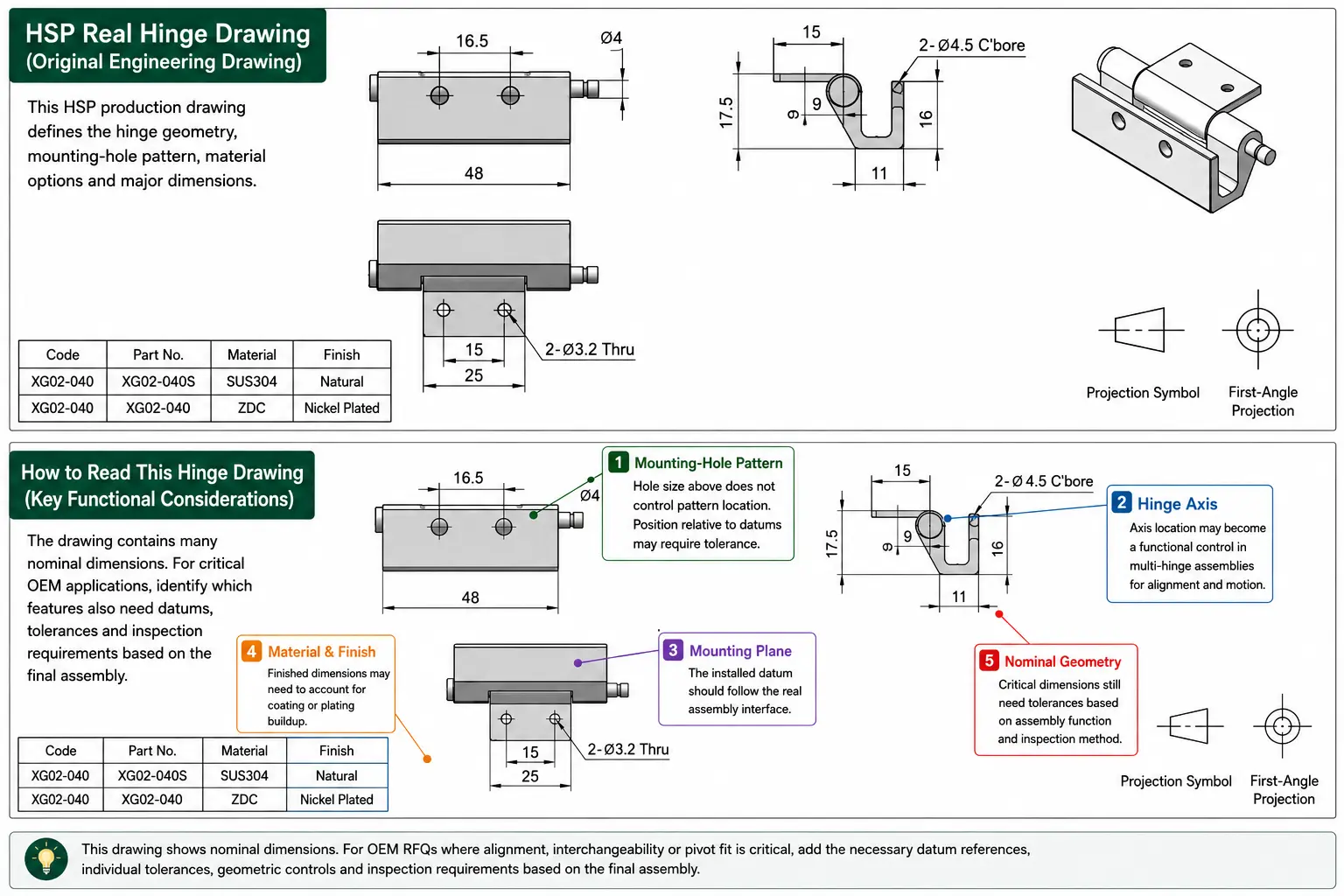
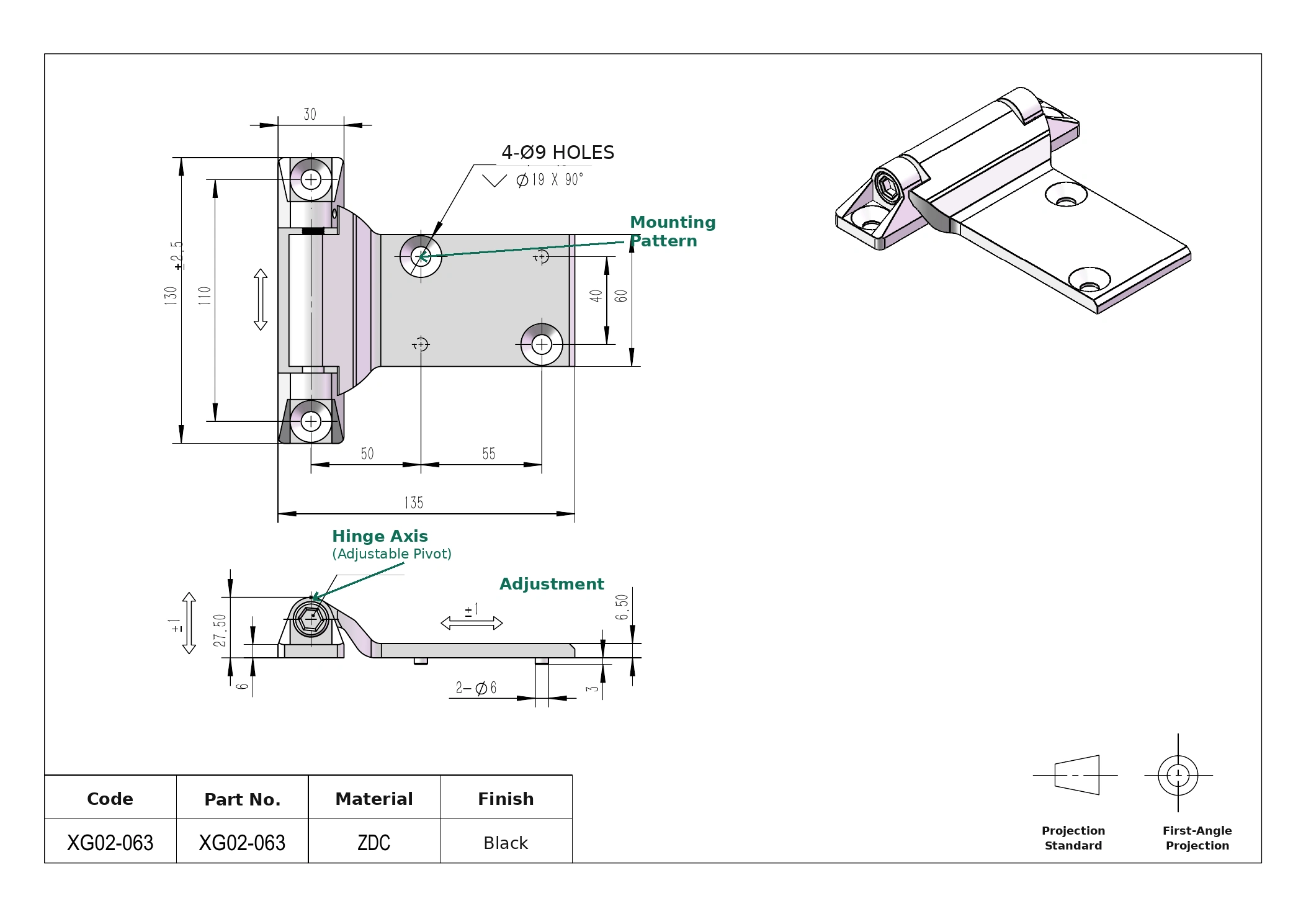
I na kresbě, která vypadá jako finální verze, mohou zůstat některé klíčové rozhraní nedefinované. Společnost HSP porovnává referenční body závěsů, rozložení otvorů, přístup k upevňovacím prvkům, tloušťku křídla, polohu otočného čepu a sousední geometrii se skutečnou instalací. Cílem není přepracovat sestavu zákazníka, ale odhalit nesrovnalosti, které by se jinak projevily až při výrobě vzorků nebo při montáži.
- Ověřte montážní plochy a referenční roviny.
- Zkontrolujte vzdálenost od okraje, směr drážky a přístup k upevňovacím prvkům.
- Ověřte polohu otočného čepu s ohledem na vůli mezi panelem a rámem.
- Určete rozměry, které ovlivňují montáž, nikoli vzhled.
Pokud kontrola rozměrů vyžaduje důkladnější prověření specifikace, použijte samostatného průvodce k tolerance průmyslových závěsů. Polohu otočného čepu a montážní reference je rovněž třeba posoudit společně, protože vyrovnání osy průmyslových závěsů záleží na vzájemných vztazích v systému, nikoli na jedné izolované dimenzi.
Pokud je osa pantu definována, ale montážní referenční body zůstávají nejednoznačné, výkres není připraven k výrobě nástrojů.
Posouzení pohybu a zatížení
Zatížení není jen hmotnost panelu a pohyb není jen úhel otevření. Společnost HSP posuzuje vztah mezi těžištěm, roztečí závěsů, tuhostí upevnění, pákovým účinkem a očekávaným chováním v celém rozsahu pohybu.
Panel a těžiště→Osa závěsu a rozteč→Přenos síl a montážní reakce→Požadované chování pohybu
Definujte zatěžovací případ
- Hmotnost statického panelu a posun těžiště
- Počet a rozestupy závěsů
- Směr otevírání a orientace při montáži
- Nárazy, vibrace nebo opakované provozní síly
Definujte pohyb
- Volný chod, aretace, odpor nebo volné zastavení
- Rozsah otevření a body interference
- Očekávaný pocit v celém užitečném úhlu
- Očekávaný průběh a přijatelná změna v čase
Pro počáteční numerickou kontrolu můžete vypočítat požadovaný točivý moment závěsu; konečný výběr stále závisí na geometrii, rozestupech a skutečných provozních podmínkách.
Proveditelnost stávající platformy
Osvědčená platforma závěsů může snížit riziko, pokud její základní konstrukce, mechanismus a výrobní postup již odpovídají danému použití. Společnost HSP porovná požadovanou změnu se stávající platformou, než doporučí úpravu nebo nový vývoj.
Stávající platforma může zůstat zachována
- Obal a osa pantu jsou přizpůsobeny sestavě
- Zatížení a pohyb spadají do koncepce platformy
- Změny v upevnění se drží v rámci praktických limitů obráběcích nástrojů
- Materiál a povrchová úprava zůstávají kompatibilní s daným procesem
Je nutná technická změna
- Důrazně se mění zatěžovací dráha nebo tuhost upevnění
- Je třeba změnit polohu čepu nebo mechanismu
- Geometrie držáku přesahuje hranice aktuálního pracovního prostoru nástroje
- Platforma nedokáže zajistit požadovaný výkon
Z toho vyplývající doporučení pak slouží jako podklad pro příslušné Výrobní model OEM a ODM.
Volba materiálu mění výrobní omezení
Materiál je třeba posuzovat společně s geometrií, výrobním procesem a provozními podmínkami. Nahrazení materiálu neznamená vždy pouze drobnou změnu výkresu, protože může mít vliv na tloušťku, tvářitelnost, nástroje a konečné uložení.
| Technické rozhodnutí | Co se může změnit |
|---|---|
| Třída materiálu | Tloušťka, pevnost a tvářitelnost |
| Nerezová ocel vs. uhlíková ocel | Tvarovací postup, povrchová úprava a strategie ochrany proti korozi |
| Plechy vs. zinkové slitiny | Geometrie, nástroje a omezení tloušťky stěny |
| Povrchová úprava | Konečné rozměry, přesnost lícování a stav při kontrole |
Kontrola DFM před výrobou nástrojů
Návrh s ohledem na vyrobitelnost představuje fázi, ve které se záměr produktu převádí do opakovatelných výrobních podmínek. Ještě před finálním potvrzením výroby nástrojů společnost HSP ověřuje, zda je možné navrhovanou geometrii lisovat, tvarovat, odlévat pod tlakem a montovat s použitím stabilních referenčních bodů.
- Je možné daný díl vyrobit bez rizika vzniku zbytečných trhlin, deformací nebo zpětného pružení?
- Jsou tloušťka stěny, poloměry ohybu, úkos a rozestupy prvků vhodné?
- Může obráběcí nástroj dosáhnout na kritickou geometrii a uvolnit obrobek?
- Odpovídají referenční body a kontrolní body funkčním rozhraním?
- Může montážní postup řídit vyrovnání a pohyb pantů?
- Jsou otevřené otázky definovány ještě před vydáním vzorku nebo nástroje?
Projekty, které vyžadují nový mechanismus nebo strukturu, mohou pokračovat prostřednictvím Proces vývoje zakázkových pantů.
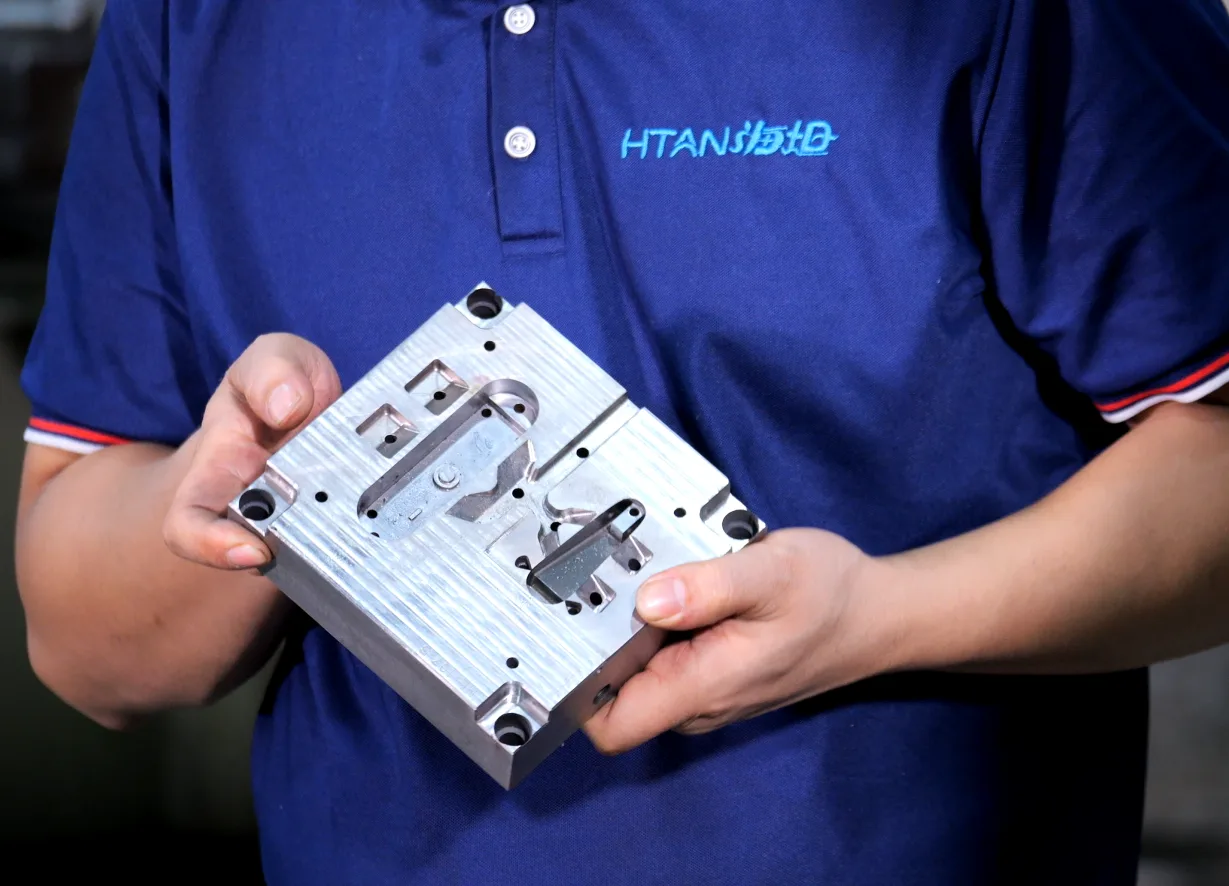
S výrobou by se nemělo začít, dokud nebudou oběma týmům jasné funkční rozhraní, materiál, výrobní postup a nevyřešené technické otázky.
Kontrolní seznam pro vydání technické verze
Díky důkladné kontrole před vydáním se zabrání tomu, aby se technické předpoklady proměnily v překvapení v produkčním prostředí. Konkrétní dokumenty se liší podle projektu, ale na následující otázky by měly být jasné odpovědi ještě před dalším commitem.
- Je použití a funkce pantu jasně definována?
- Jsou upevňovací plochy, referenční roviny a reference otvorů ověřeny?
- Jsou známy hmotnost panelu, těžiště a rozteč pantů?
- Je možné změřit požadovaný pohyb nebo chování točivého momentu?
- Jsou materiál, povrchová úprava a okolní prostředí vzájemně kompatibilní?
- Je daná technologická trasa z hlediska geometrie a objemu proveditelná?
- Jsou kontrolní body spojeny s funkčními požadavky?
- Jsou zbývající technické problémy identifikovány ještě před vydáním?
Co v praxi hodnotíme
Technická revize vychází z výkresu, fyzického pantu, CAD-definice, montážních rozměrů a již dostupných informací o použití.
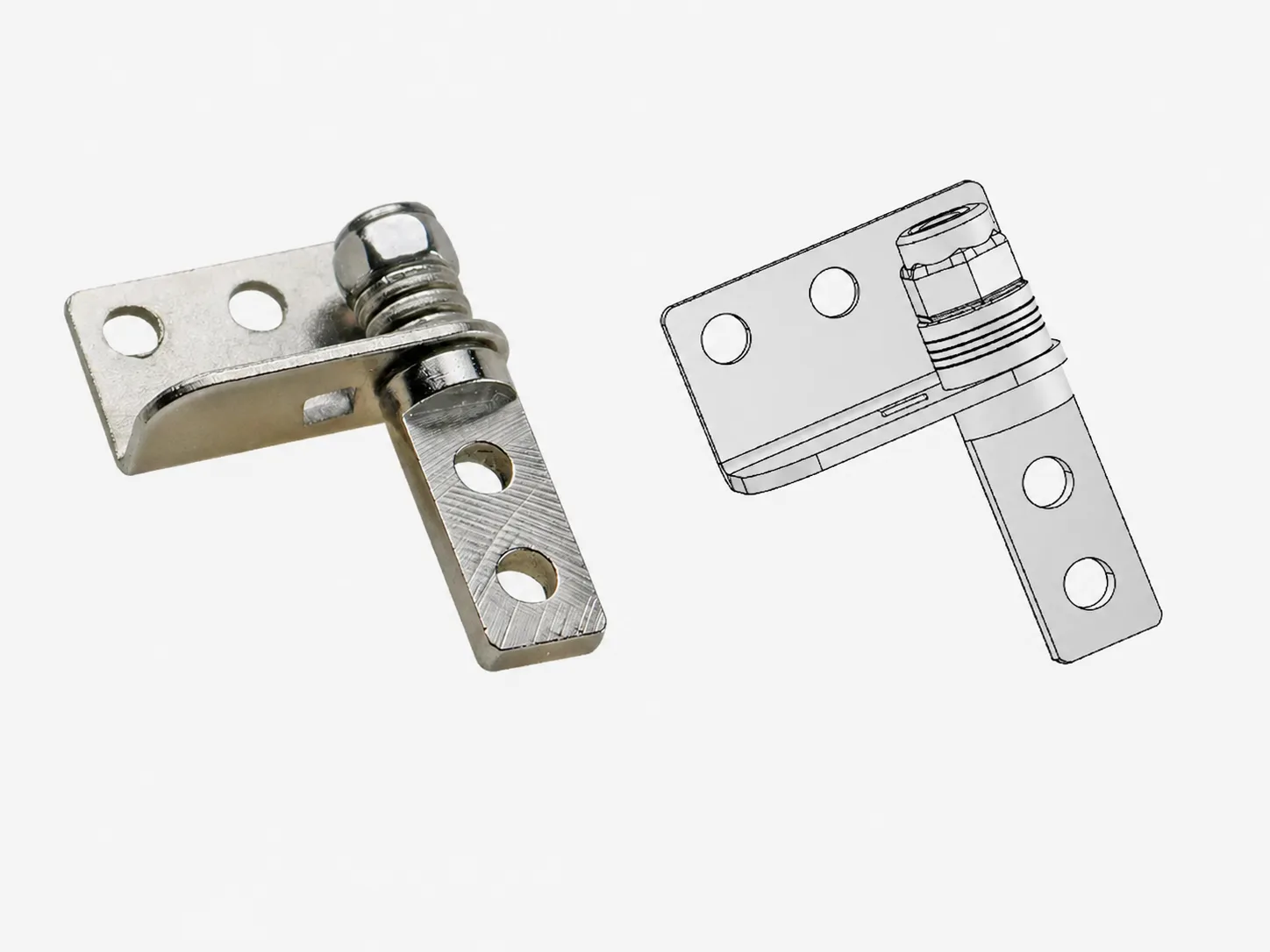
CAD a srovnání produktů
Provádí se srovnání fyzického závěsu a jeho definice v CADu za účelem ověření geometrie, montážních prvků a zamýšlené platformy.
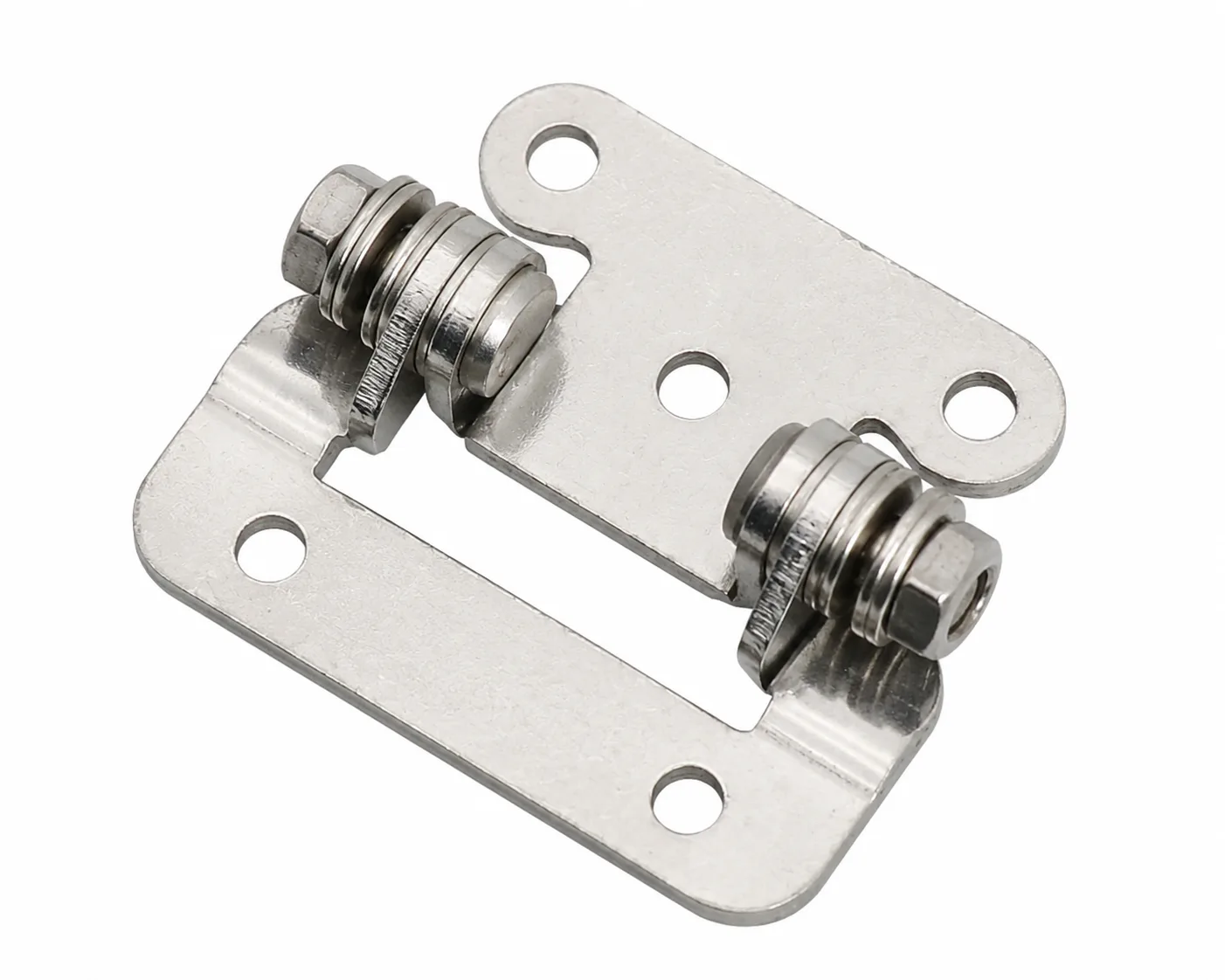
Recenze stávajícího závěsu
Fyzický vzorek lze porovnat s požadovaným obalem, upevňovacím rozhraním a požadovaným pohybem ještě předtím, než se rozhodne o jeho výměně či úpravě.
Od technické revize k definici vhodné pro výrobu
Výsledkem technické podpory je společná definice, podle které může výrobní oddělení postupovat. Společnost HSP shrnuje schválené použití, rozhraní, materiály, výrobní postup a otevřené technické otázky do praktického předání ještě před zahájením plánování výroby.
- Byla ověřena funkčnost závěsu a podmínky použití
- Kontrolované rozměry upevnění a rozhraní
- Vybraný materiál, povrchová úprava a způsob výroby
- Neuzavřené technické otázky a dohodnutá výrobní specifikace
Podívejte se na výrobní procesy, které stojí za tímto předáním, v materiálech společnosti HSP kapacity v oblasti průmyslové výroby závěsů.
Proberte své požadavky na konstrukci závěsů
Poskytněte nám výkres, stávající pant, cílový model nebo informace o použití, které již máte k dispozici. Společnost HSP může posoudit technické otázky, které je třeba vyřešit předtím, než budou učiněna rozhodnutí ohledně výroby nástrojů či samotné výroby.