-
+86 13720060320
-
lanna@haitangs.com

Industrial Hinge Manufacturing Capabilities
HSP supports industrial hinge production from drawing review and tooling through component manufacturing, assembly, inspection and project-specific validation.
Built Around In-House Hinge Production
HSP hinge production connects tooling, component manufacturing, assembly and inspection rather than treating each operation as an isolated step. The production route changes with the hinge geometry, material, pivot structure and required finished condition.
Our ISO 9001:2015 quality management system covers industrial cabinet locks, hinges and handles. Inspection points are selected around the features that control fit, movement and assembly rather than applying the same check to every hinge.
| Capability | Current Production Support |
|---|---|
| Metal forming | Stamping and formed hinge components |
| Tooling | Production dies and tooling support |
| Die casting | Zinc-alloy components where required |
| Assembly | Pins, springs, friction elements and mating components |
| Dimensional inspection | Drawing-based and 2D optical measurement |
| Validation | Load, cycle-life and corrosion testing according to project requirements |
From Components to Finished Hinge Assemblies
Production routes are selected around the hinge design, material, geometry, expected function and order requirements.
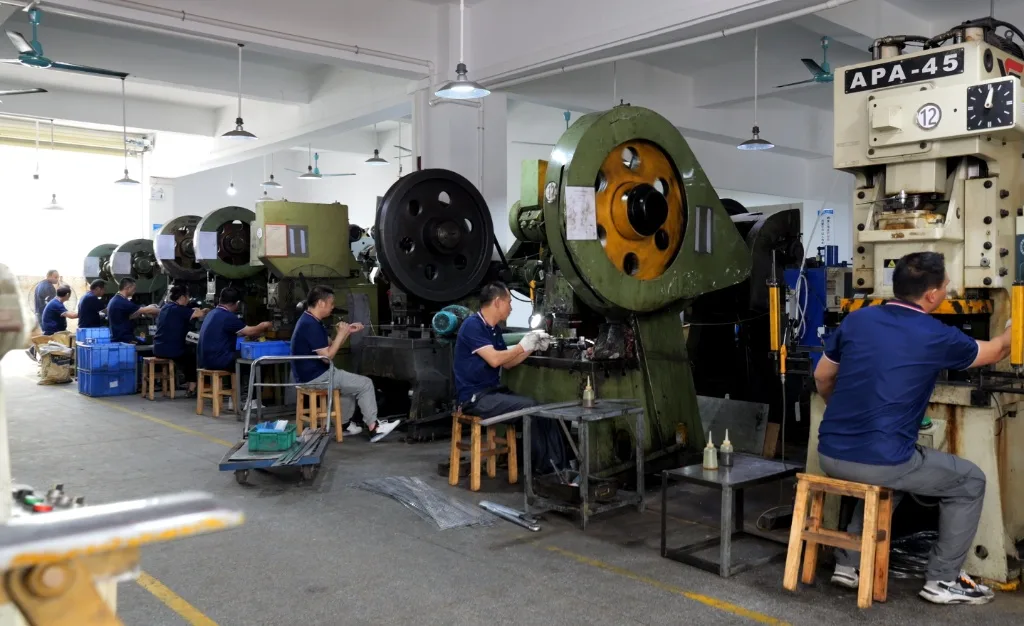
Metal Stamping & Forming
Press operations form hinge leaves, brackets and related components. The tooling route and first-part checks are selected around the drawing geometry and the condition required after forming.
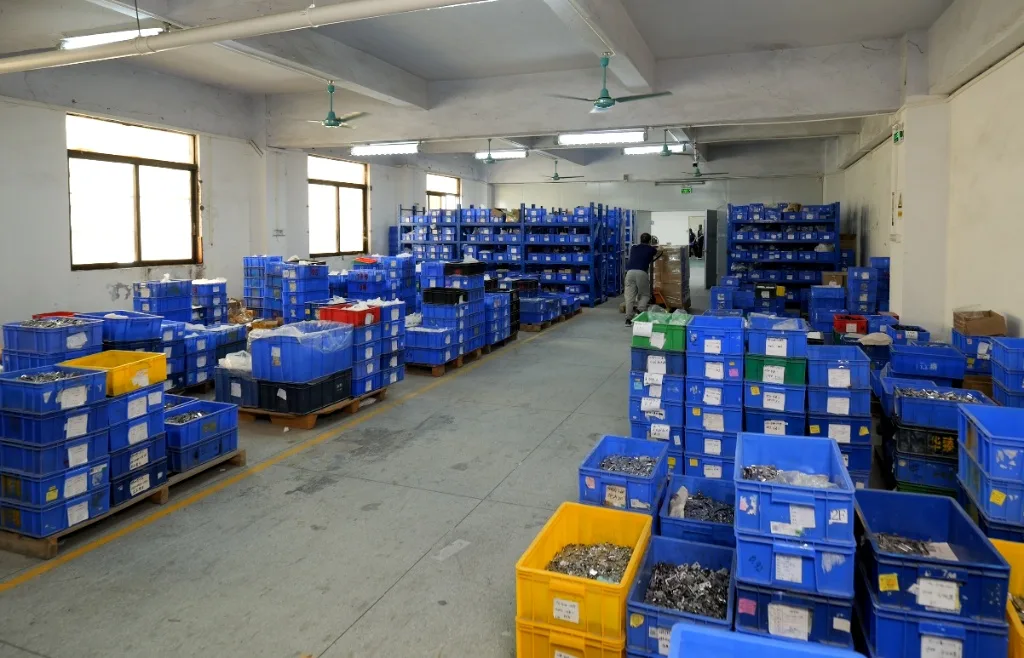
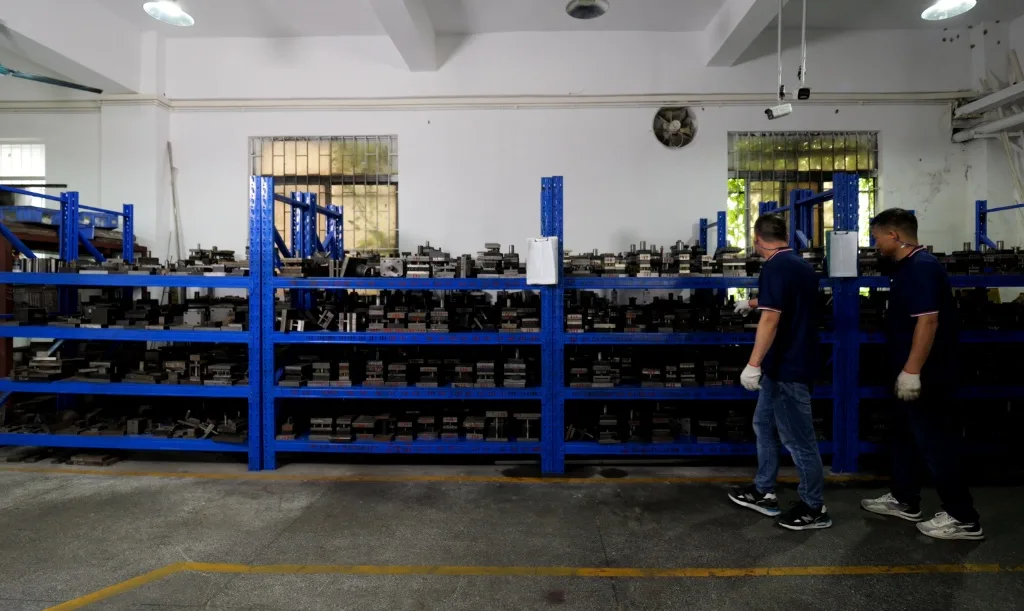
Tooling & Die Support
Production dies connect the drawing requirement to the repeatable forming operation. Tooling review and die management support the geometry and production route used on the shop floor.
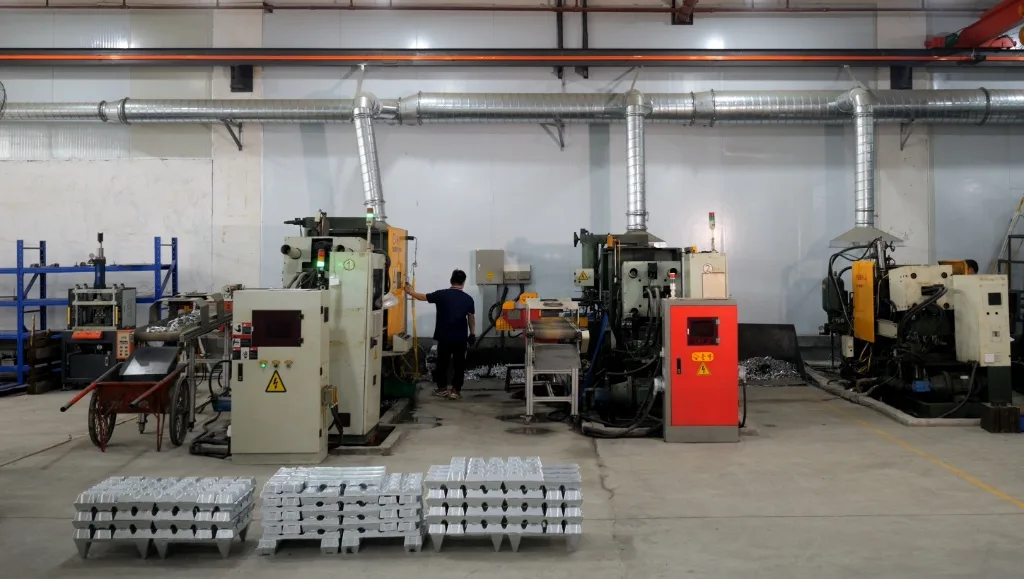
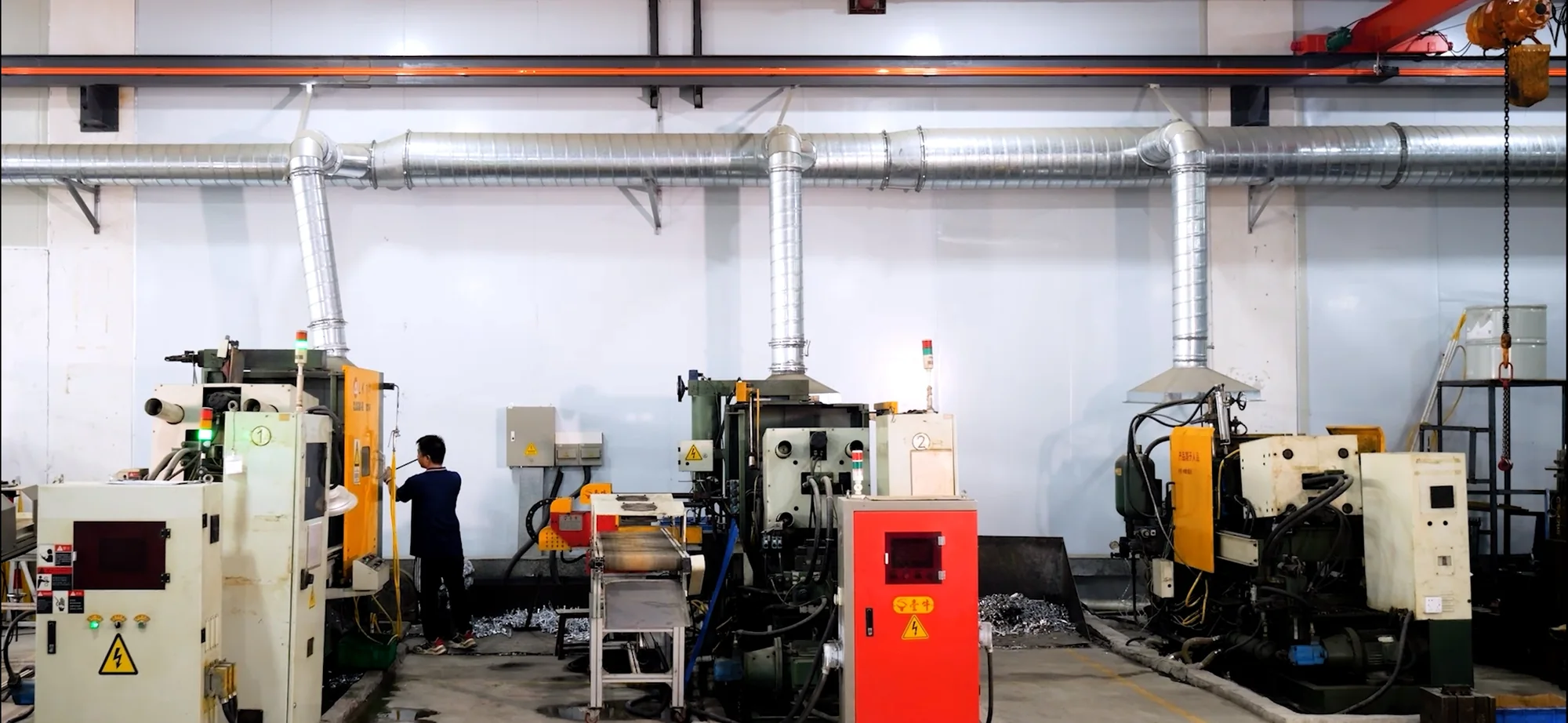
Die Casting
Zinc-alloy die casting is used where a component requires repeatable detailed geometry. The casting route is selected only where it matches the part design and project requirement.
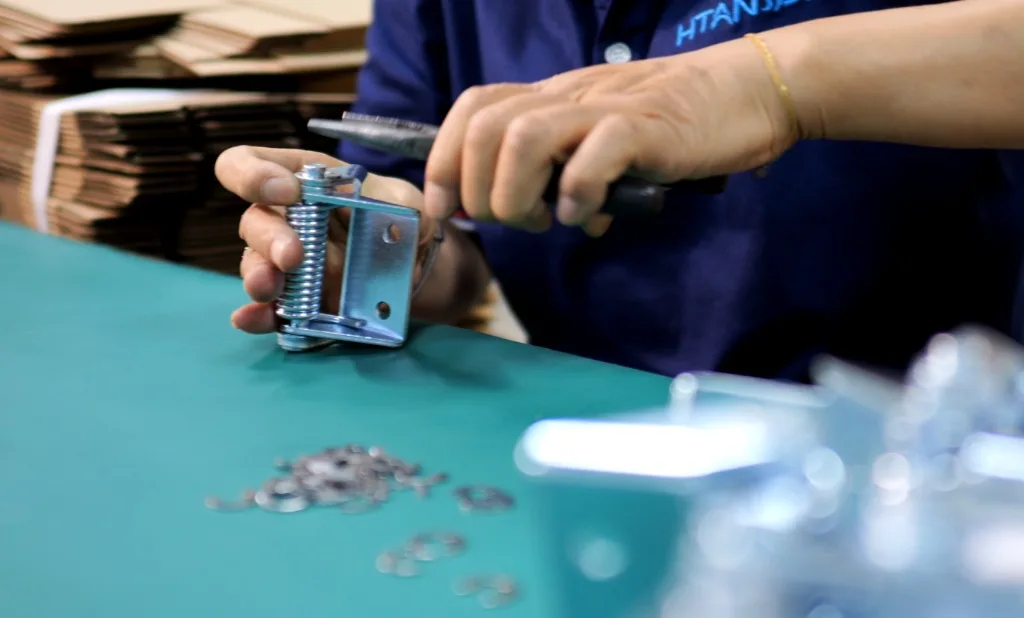
Hinge Assembly
Pins, springs, friction elements and mating components are assembled and checked against the fit, movement and finished condition required for the hinge type.
Engineering Before Production
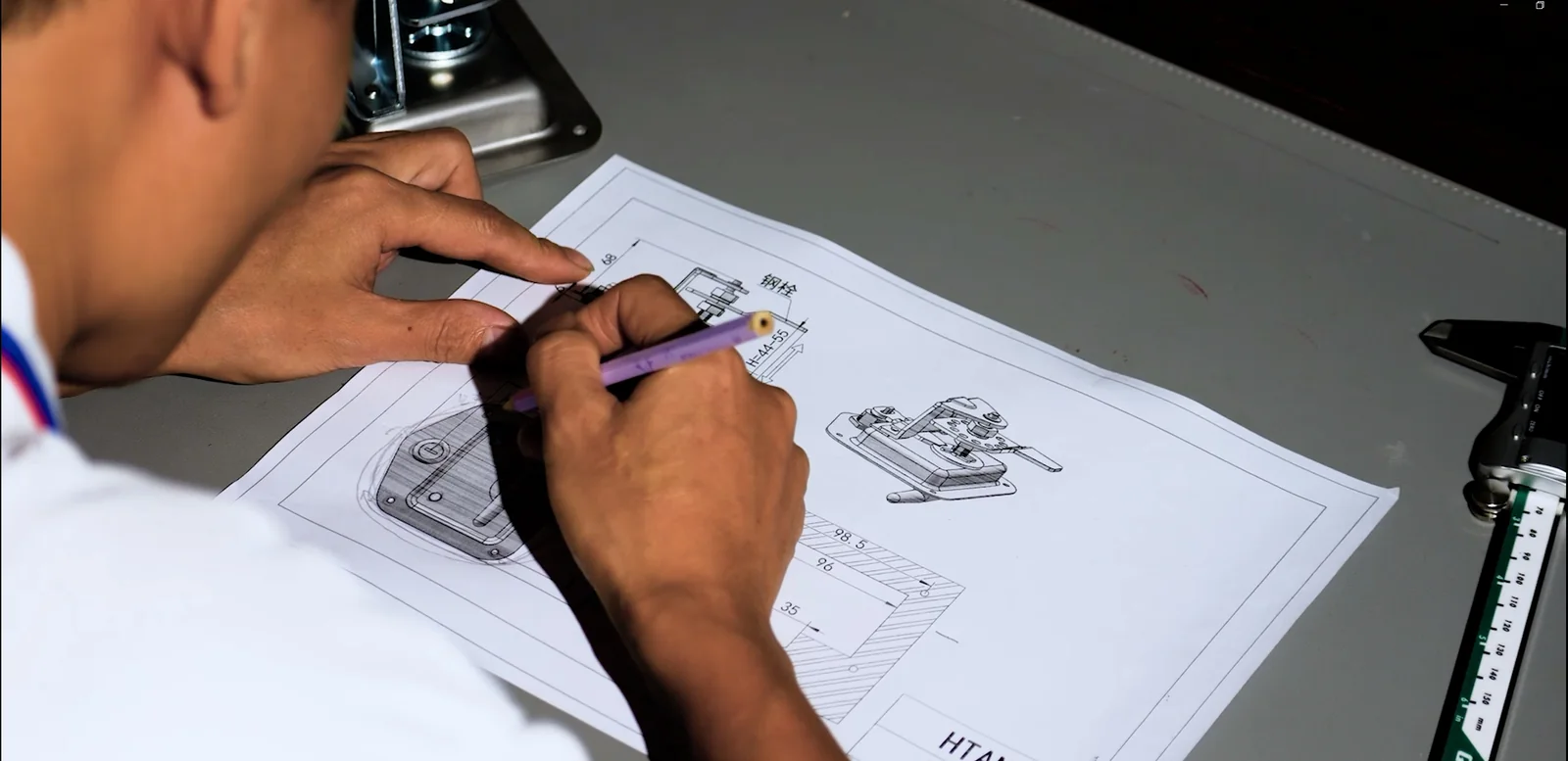
Manufacturing review starts with the hinge geometry, mounting method, motion, load direction, material and operating environment. The team can review a customer drawing, an existing sample or an application brief before the production route is confirmed.
A drawing review is not limited to the hinge’s overall dimensions. Mounting-hole relationships, pivot location, material condition and the state in which critical dimensions are inspected can affect whether a hinge is repeatable in the finished assembly.
- Drawing and tolerance review
- Material and process selection
- Tooling and sample planning
- Design-for-manufacturing feedback
For the handoff from requirements to production, see the Processo di sviluppo di cerniere personalizzate.
Hinge Families in Production
The current production scope covers two primary hinge groups.
Cerniere a coppia
- Coppia costante
- Coppia regolabile
- Ritenuta / Posizionamento
- Mini / Compact
- 360° Swivel
Cerniere industriali
- Concealed
- Heavy Duty
- Lift-Off
- Weld-On
- Flag
- Primavera
Materials Used Across Hinge Production
Material is matched to the drawing, forming route, specified finish and service environment.
| Materiale | Typical Manufacturing Use |
|---|---|
| Acciaio inox SUS304 | Corrosion-resistant hinge leaves and components where stainless steel is specified. |
| Carbon Steel / SPCC | Formed hinge components with specified plating, coating or other surface treatment. |
| Zinc Alloy / ZDC | Die-cast housings and components requiring repeatable detailed geometry. |
Quality Checks Through Production
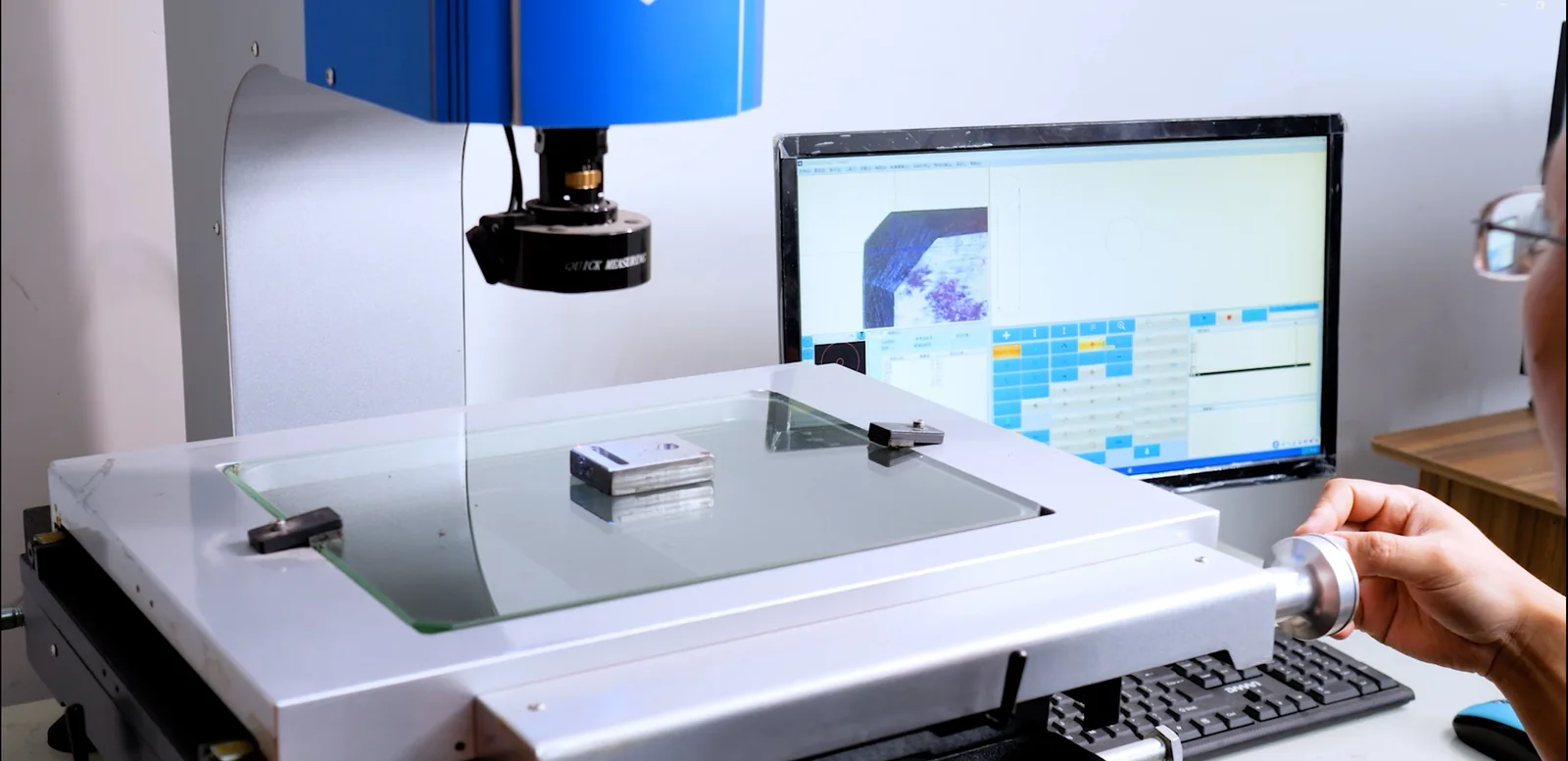
Inspection points are selected for the component, assembly and customer requirement. Depending on the product and route, checks can include incoming material verification, dimensional inspection, assembly checks and finished-part inspection.
Dimensional inspection should follow the feature that controls the assembly. A hole diameter can be within specification while the mounting pattern, pivot relationship or finished seating condition still causes an assembly problem.
- Drawing-based dimensional checks
- Tooling and first-part verification
- Assembly fit and functional movement checks
- Final inspection before packing
Testing Beyond Dimensional Inspection
Testing is applied according to the product, project requirement and validation plan.
A test result is meaningful only when the fixture, load direction, cycle definition and acceptance criteria match the intended application. These conditions are defined by product or project requirement rather than assumed to be universal across every hinge.
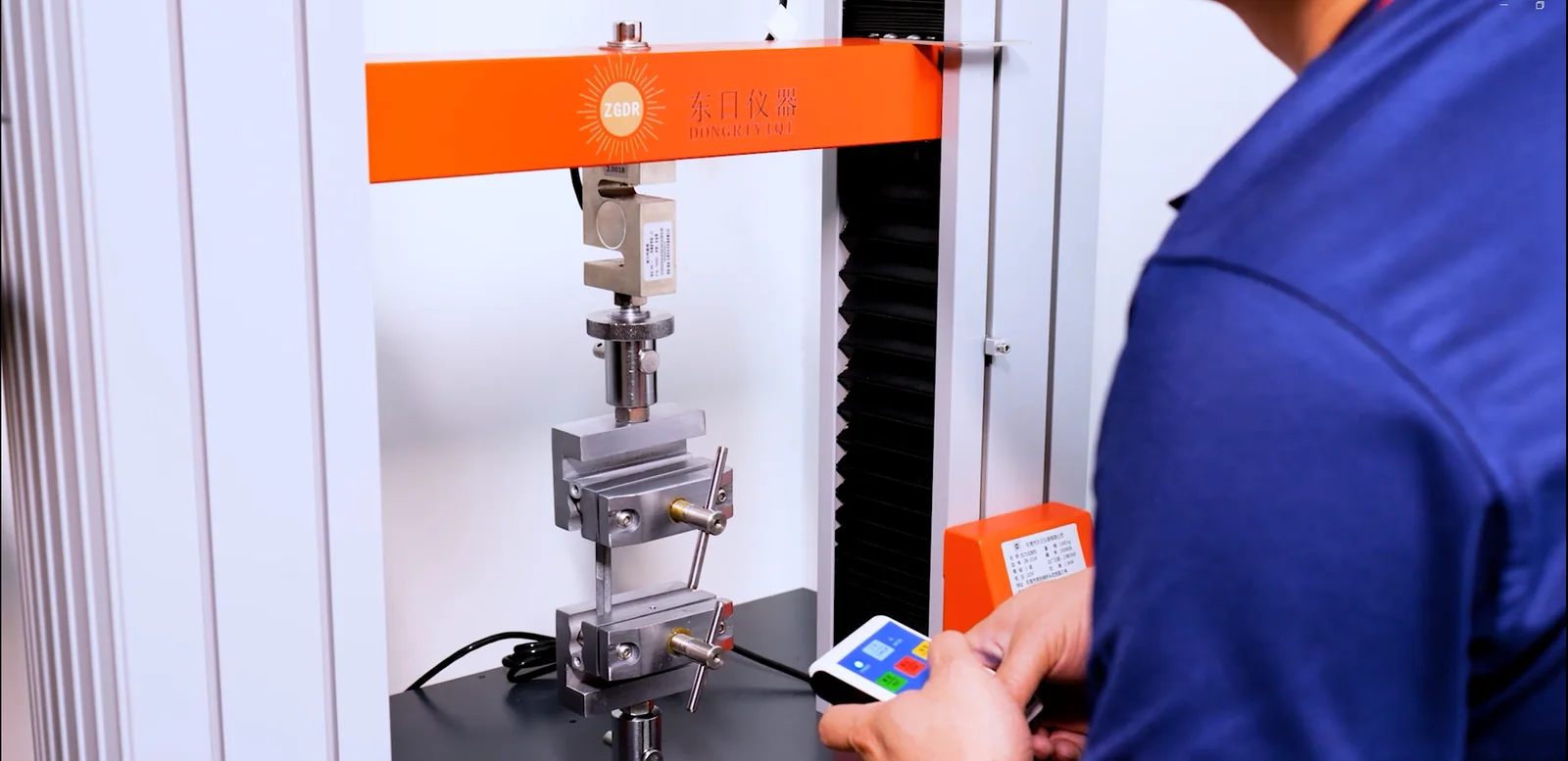
Load & Tensile Testing
Fixtures and conditions are prepared around the relevant component or assembly requirement.
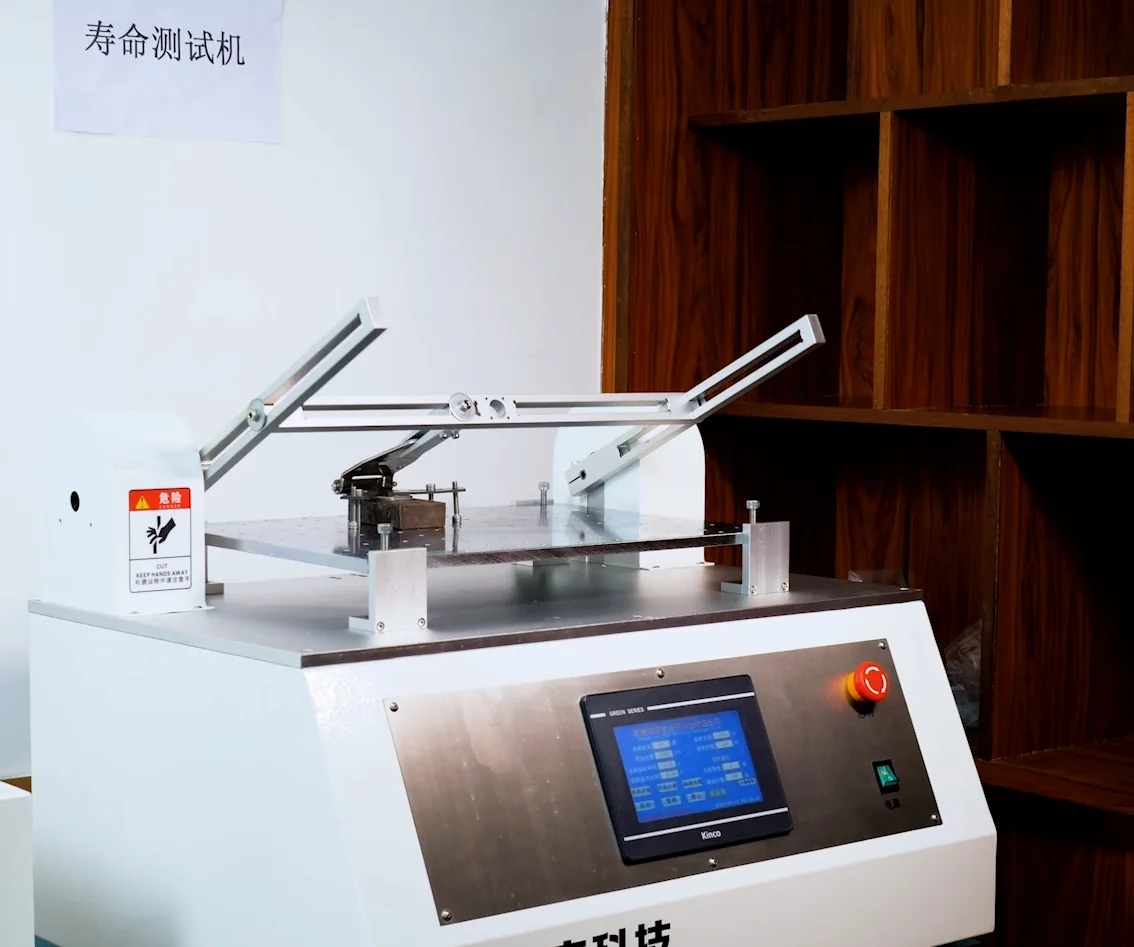
Cycle Life Testing
Repeated-motion testing can be arranged against a defined project validation plan.
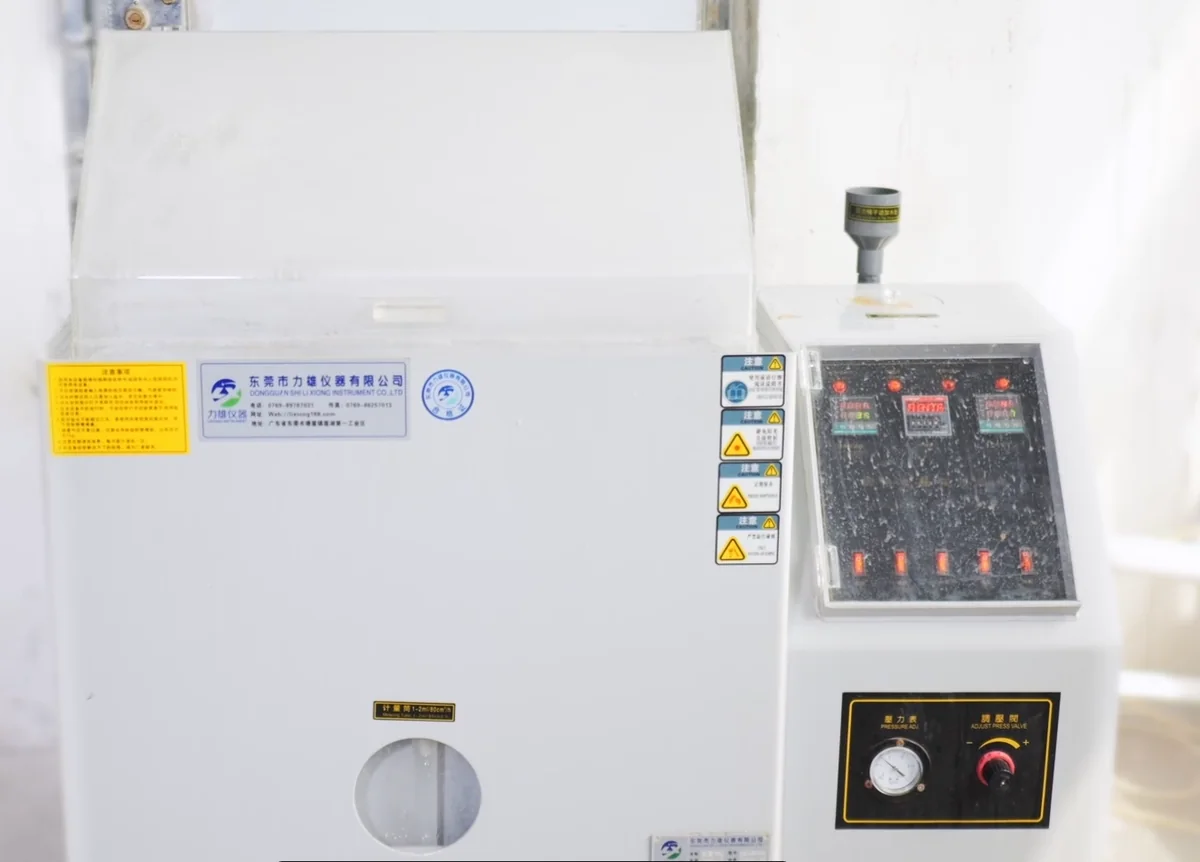
Corrosion Validation
Salt spray testing can be used when a specified finish or project calls for corrosion evaluation.
Production Support for OEM Programs
HSP supports standard production, drawing-based manufacturing and selected modifications to existing hinge platforms. The appropriate route depends on how much of the hinge design is already defined and which production features must change.
Build to Print
Customer drawing with defined geometry, material and production requirements.
Existing Platform Modification
Adjust an existing hinge platform where the base mechanism remains suitable.
Application Review
Start from the door, panel, motion, mounting and environment when the final hinge has not yet been selected.
Compare project routes in OEM vs. ODM Hinges, or review practical considerations in How to Source Industrial Hinges.
Discuss Your Hinge Drawing
Share the information available—drawing reference, application, material preference, estimated quantity and production requirements—and HSP will review the next practical step.